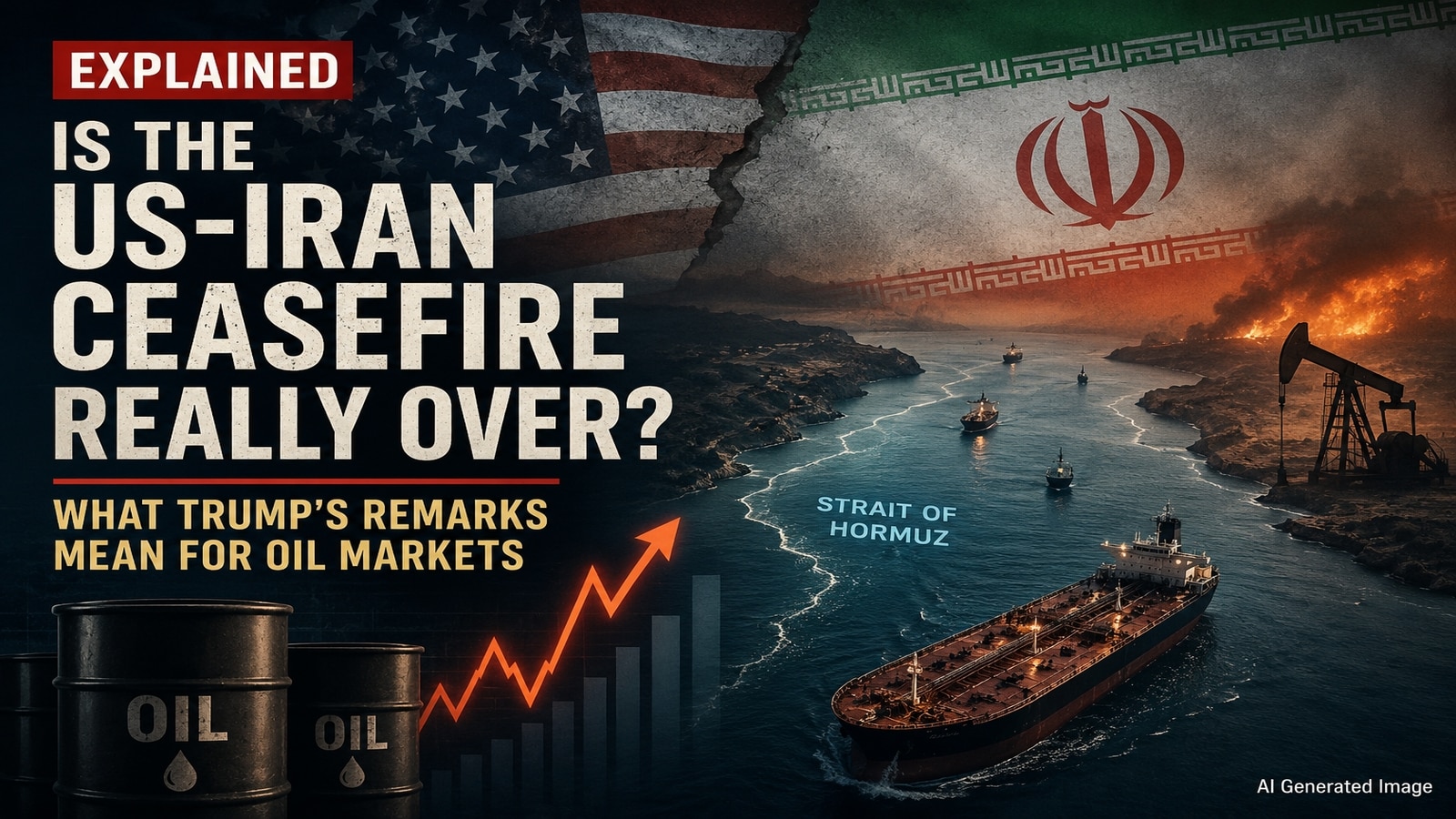
Don't panic about the headlines screaming about global collapse. Yes, the Middle East is facing its worst geopolitical disruption in decades. Yes, the Strait of Hormuz has been choked off since the war started on February 28, 2026. Yet, the global economy hasn't fallen off a cliff. The International Monetary Fund just released its July 2026 update to the World Economic Outlook, and the numbers tell a fascinating story that most traditional analysts completely missed.
We aren't living in the 1970s anymore. An energy shock doesn't automatically mean a global depression. The IMF modestly trimmed its 2026 global growth forecast from 3.1% down to 3.0%. That's a tiny scratch, not a mortal wound. If you want to understand why the world economy is holding up, you have to look past the oil refineries and look directly at the silicon fabrication plants. A massive, insatiable demand for artificial intelligence hardware is acting as an economic shield, balancing out the terrifying drop in energy supplies. Meanwhile, you can find other stories here: How Egg Price Hikes Minted Millions For America Biggest Poultry Dynasty.
It is a tale of two massive structural forces pulling the planet in opposite directions. On one side, you have a negative supply shock from a brutal regional conflict. On the other side, you have a massive tech demand explosion. This dynamic is rewriting the rules of macroeconomic resilience.
The Numbers Behind the Resilient Slowdown
Let's look at the hard data the IMF dropped this week. The organization slashed its 2026 growth projection for the Middle East and Central Asia by a massive 1.2 percentage points, leaving the region at a meager 0.7% growth for the year. Countries like Iraq, Kuwait, and Qatar are looking at outright economic contractions. This makes sense when you realize their primary export channel was effectively shut down for months. To understand the full picture, check out the excellent article by Investopedia.
Global headline inflation is hitting 4.7% this year, which is higher than the IMF predicted back in April. Energy prices are stuck at roughly 25% higher than their pre-war levels. Brent crude is bouncing around the $89 a barrel average for 2026, even though a fragile peace deal recently allowed some traffic to crawl back through the Strait of Hormuz.
A V-shaped recovery is still the baseline projection for 2027. The IMF expects global growth to bounce back to 3.4% next year as the shipping lanes progressively clear up by March 2027. The sky isn't falling because the global tech cycle is running on pure, high-octane demand.
Microchips Over Barrels of Crude
The real surprise in the IMF data is where the growth is actually coming from. It turns out that being plugged into the global technology supply chain matters a lot more right now than being vulnerable to high gas prices. The world is building data centers at a record-breaking pace. Every corporation on earth is throwing money at computing power, and that spending creates an aggressive economic buffer.
Look at the net exporters of AI hardware. Taiwan, South Korea, Thailand, and Malaysia are all staring down the exact same global energy inflation as everyone else. Their growth projections didn't crumble. They showed remarkable resilience. Tech infrastructure spending is so intense that it's overriding the classic inflationary pressures of an oil shock.
If you're an energy importer but you manufacture the advanced components, memory chips, or server assemblies required for the next generation of computing, you're doing fine. The cash flowing into technology is circulating back into these economies, keeping consumer demand alive and preventing a systemic industrial freeze.
Winners and Losers in the Asymmetric Split
This crisis is deeply unfair. The IMF explicitly stated that the economic fallout varies widely depending on where a country sits on the technological ladder. The current global economy is split cleanly down the middle based on two criteria.
First, you have the energy exporters outside the immediate conflict zone. Countries in Latin America or parts of Africa are benefiting from favorable terms of trade because their oil and gas suddenly command a premium. They don't have to worry about the Strait of Hormuz. They just collect the higher revenues.
Second, you have the technology-centric economies. They absorb higher energy bills but wipe away the damage because their tech exports are booming.
The real victims are the nations caught in the middle. Energy-importing countries with zero footprint in the tech supply chain are getting hammered. Think about developing nations in emerging Asia or parts of Europe that rely on imported fuel but don't manufacture microchips or export sophisticated digital services. Retail gasoline costs jumped by 30% in parts of emerging Asia after the war started. For these economies, there is no tech buffer to soften the blow. Their domestic purchasing power is eroding fast.
Even within the West, the divide is clear. The United States economy is holding steady with a projected 2.3% growth for 2026, thanks to its dominant position in tech development and domestic energy production. The euro area saw its forecast downgraded to 0.9%. France is stuck at a sluggish 0.6% growth projection, down 0.3 percentage points from earlier estimates. Europe simply doesn't have the tech engine required to outrun the energy tax.
The Risk of AI Market Corrections
Don't assume this tech-fueled safety net is completely invincible. The IMF threw a major warning flag into its report that the market is choosing to ignore right now. We are seeing massive capital concentration in a handful of technology stocks and infrastructure projects. If the actual revenue generated by these corporate tools fails to live up to the astronomical financial expectations, we could see a sharp market correction.
A sudden cooling of tech investment while energy prices remain elevated would be disastrous. It would strip away the only counterweight keeping global growth at 3.0%. The IMF noted that while the current disinflation trend is paused rather than broken, a sudden tech asset selloff would tighten financial conditions globally overnight. That would trigger a much deeper recession.
Geopolitical risks are still exceptionally high. The peace deal between the US and Iran is fragile. Fresh exchanges of fire have occurred in recent hours, meaning the assumption that the Strait of Hormuz will fully normalize by early 2027 could be completely wrong.
What You Need to Do Next
The lesson here is simple. The old economic playbooks are broken. If you are managing a business, an investment portfolio, or corporate strategy, you can't just track oil futures to gauge global health. You have to monitor the technology capital expenditure cycle.
Stop waiting for a return to the cheap energy era. It's not happening this year. Fix your supply chain dependencies by auditing your exposure to the Middle East shipping lanes immediately. Shift your operational focus toward efficiency and automation to offset the sticky 4.7% global inflation rate.
Diversify your corporate assets into economies that are net providers of hardware or critical components to the tech sector. The structural divergence between tech-integrated economies and traditional industrial economies will only widen as the year progresses. Position your business on the right side of that divide before the next geopolitical flashpoint hits.