Tensions are boiling over once again across the Middle East. Regional diplomats are racing to stop a catastrophic chain reaction. Nobody wants a full-scale conflagration, yet every military maneuver pushes the region closer to the edge.
If you've been watching headlines lately, you know the anxiety is real. Leaders from Cairo to Amman are sounding the alarm bells. They are pleading for immediate de-escalation as fears mount over a renewed, highly destructive war involving regional heavyweights and international players.
The High Cost of a Second Round
Egyptian Foreign Minister Badr Abdelatty didn't mince words during a recent regional forum. He stated plainly that any new escalation would bring devastation on a scale the region hasn't seen yet.
"We are very confident that the second round will be more dangerous, more destructive, and it will lead to nowhere," Abdelatty warned.
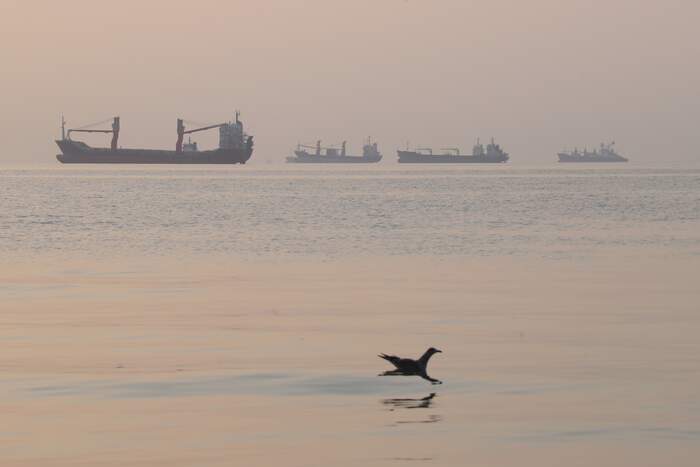
That sentiment captures the core dread of ordinary citizens and political analysts alike. The calculation is simple. Past conflicts left deep structural scars, broken infrastructure, and shattered economies. A renewed cycle won't just repeat history; it will multiply the damage. Shipping lanes like the Strait of Hormuz, vital energy corridors, and fragile borderlands remain permanent flashpoints. A single miscalculation by any navy or militia could trigger total chaos.
Borders, Security, and Regional Alliances
While top ministers debate grand strategies, immediate logistical nightmares are playing out on the ground. Take the border between Syria and Jordan, for instance. Syrian foreign officials have stressed the urgent need to stabilize shared frontiers through direct, bilateral talks with Amman.
Security cooperation isn't optional anymore. Porous borders allow arms smuggling and militant movements that threaten neighboring stability. Syria's diplomatic posture highlights a growing consensus: individual nations can no longer isolate themselves from regional turbulence.
"Whether Syria joins or not, Syria thinks the region is in dire need of a structure that protects its security," a senior Syrian official noted.
Yet building an effective regional security framework is easier said than done. Mutual distrust runs deep. Decades of proxy conflicts, shifting alliances, and broken diplomatic promises mean that verbal calls for calm often ring hollow to military commanders on the front lines.
Can Diplomacy Outrun the Drums of War?
Diplomats are working overtime behind closed doors. International envoys are shuttle-diplomacying between capitals, trying to freeze active hostilities before they spiral out of control.
The public messaging remains consistent. Leaders urge patience, restraint, and dialogue. But behind that diplomatic polish, military readiness is at an all-time high. Nations are hardening supply lines, patrolling critical maritime routes, and preparing for the worst-case scenario.
Can these eleventh-hour diplomatic pushes succeed? History suggests skepticism is warranted. When deterrence fails, momentum takes over. Right now, the entire region is walking a razor-thin tightrope between managed crisis and total catastrophe.
Watch the diplomatic tables closely over the coming days. If talks break down, the fallout will reshape global energy markets, security pacts, and human lives for years to come.