Voters Are Snapping After Years of Price Shock and Foreign Wars
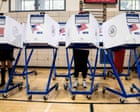
The polling places were packed on November 3, 2026, but the old political playbooks broke down completely.
If you talk to voters outside precincts from Maine to Alaska, you don't hear much partisan cheerleading. You hear frustration, exhaustion, and a quiet refusal to line up behind party figures just because of a political label.
The standard narrative around midterm elections usually boils down to a simple formula: the president's party loses a few seats because supporters stay home, while the opposition gets fired up. But 2026 isn't fitting into that clean box. Voters are breaking ranks over two grinding pressures that touch their daily lives: soaring cost of living and deep fatigue with foreign conflict.
Take Maine, where long-serving Republican Senator Susan Collins is fighting for a sixth term. In past cycles, ticket-splitting split-voters in Maine gave Collins a cushion. Today, long-time supporters are walking away.
Todd Cox, a 63-year-old Maine voter who backed Collins twice in previous elections, flipped his vote. He didn't point to abstract party platform disagreements. He pointed straight to daily pressures: high costs, international military conflict involving Iran, and a broader breakdown in civility and rule of law.
"We definitely haven't become kinder and gentler under this administration," Cox noted on Election Day. "There's a lot of bullying that goes on. It goes back to affordability. It's the war in Iran... It just seems like they're thumbing their nose at it".
That sentiment isn't isolated to one precinct in New England. It is driving a broader shift across the country.
The Pocketbook Reality Breaking Voter Patience
Political slogans don't heat a home or fill a gas tank. When prices stay elevated month after month, voters look for someone to hold accountable.
In Alaska, 30-year-old Juanita Cupa spends $120 every two weeks just to fuel her truck—an indispensable necessity in harsh northern weather. Financial strain forced her to move back in with her parents. "I'm living check to check," Cupa shared as she cast her ballot for Democratic Representative Mary Peltola. For Cupa, economic struggle mixes directly with intense distaste for aggressive political rhetoric and foreign policy decisions.
In Maine, heating oil costs hit retirement accounts with brutal precision. Retired principal Cheryl Clukey described paying $729 for a partial delivery of 131 gallons of heating oil. "I've never had that before, and I'm scared," Clukey said, explaining why she decided three decades of Susan Collins in Congress was enough.
Average Tank Refill Impact:
--------------------------------------------------
Item / Service           Typical 2026 Household Cost
131 Gallons Heating Oil  ~$729 (Augusta, ME)
Truck Refuel (Bi-weekly) ~$120 (Anchorage, AK)
--------------------------------------------------
When basic survival items cause fear, voting habits change fast.
Why Republican Loyalists Are Holding Their Noses
Even voters who stayed loyal to the GOP did so with visible hesitation or hyper-focused personal priorities.
David Boy, an attorney from Johns Creek, Georgia, went to the polls and cast a ballot for Republican candidates down the ticket. Yet he made his personal stance on the White House crystal clear: "I don't like Trump. I've never voted for him. I want to go to my deathbed saying I never did".
So why did he vote red? Taxes and administrative management. Being in his prime earning years, tax policy drove his decision alongside personal moral convictions and a desire for efficient government operation.
Others stick with the party due to single-issue alignment on foreign alliances. One 63-year-old Maine voter who chose a straight Republican ticket admitted he wasn't tracking every local race closely, but wasn't willing to abandon backing for Israel or change course during the active Middle East conflict.
This divide exposes the reality of the 2026 electorate. Party coalitions aren't united by shared enthusiasm; they are held together by calculated trade-offs made in the voting booth.
Seniority vs Change in High-Stakes Senate Races
The high-profile Senate clash in Maine between Susan Collins and Democrat Troy Jackson—a former logger and state legislative leader—captures this dynamic perfectly.
Collins has long traded on her clout and ability to deliver for Maine's local industries, like lobstering. For voters like lobster boat operator Christian LaMontagne, that clout matters. Collins helped secure funding and trim regulations for fisheries. But even industry allies are feeling squeezed.
"The status quo sucks," LaMontagne admitted while weighing his decision. "Frankly, it just kind of sucks when your business makes less money every year and there's no change in sight".
Jackson pitched his campaign directly at that frustration, framing the choice between establishment ties and working-class advocacy. When independent voters start questioning whether long-term seniority is actually protecting their wallets, incumbents lose their historic advantage.
Actionable Steps for Tracking Election Outcomes
With tens of millions of early ballots cast and key races razor-thin, following live results requires cut-through clarity. Avoid media noise by taking these practical steps:
- Check Official State Portals: Rely directly on your state Secretary of State or county election office website for verified vote tallies rather than speculative social media posts.
- Track Call Criteria: Remember that races with high proportions of mail-in or absentee ballots can take hours or days to complete full tabulation.
- Monitor Key Senate Battlegrounds: Watch results from Maine, Georgia, Ohio, and North Carolina to understand which party holds operational control of the Senate.