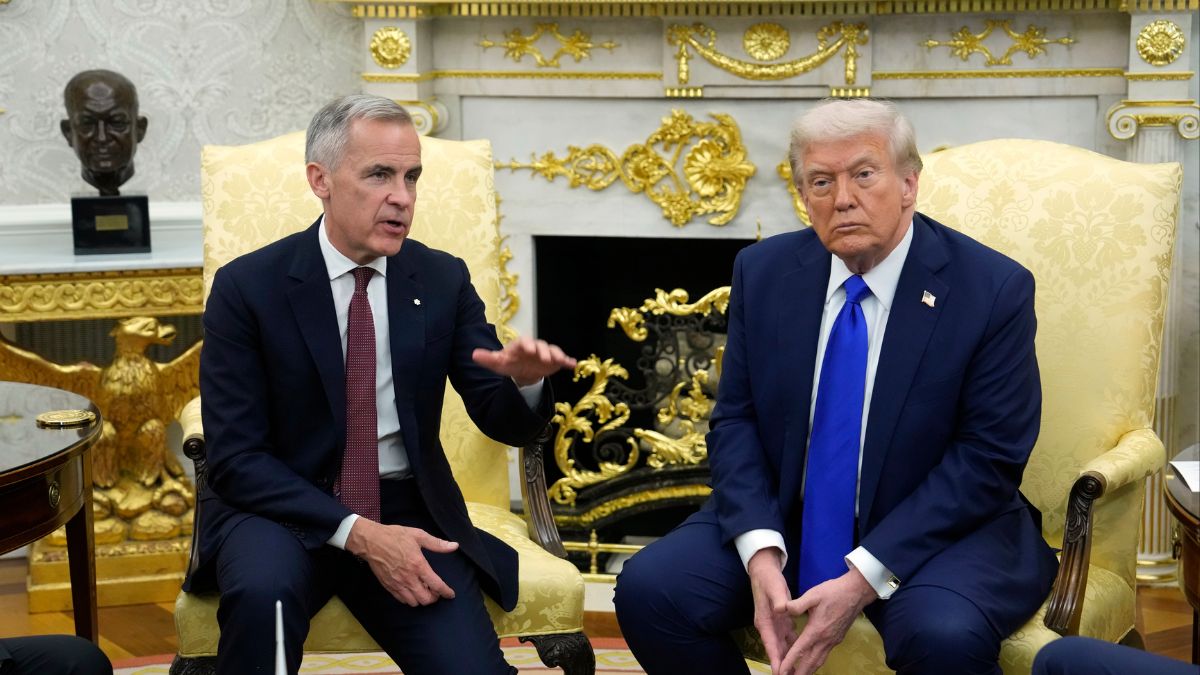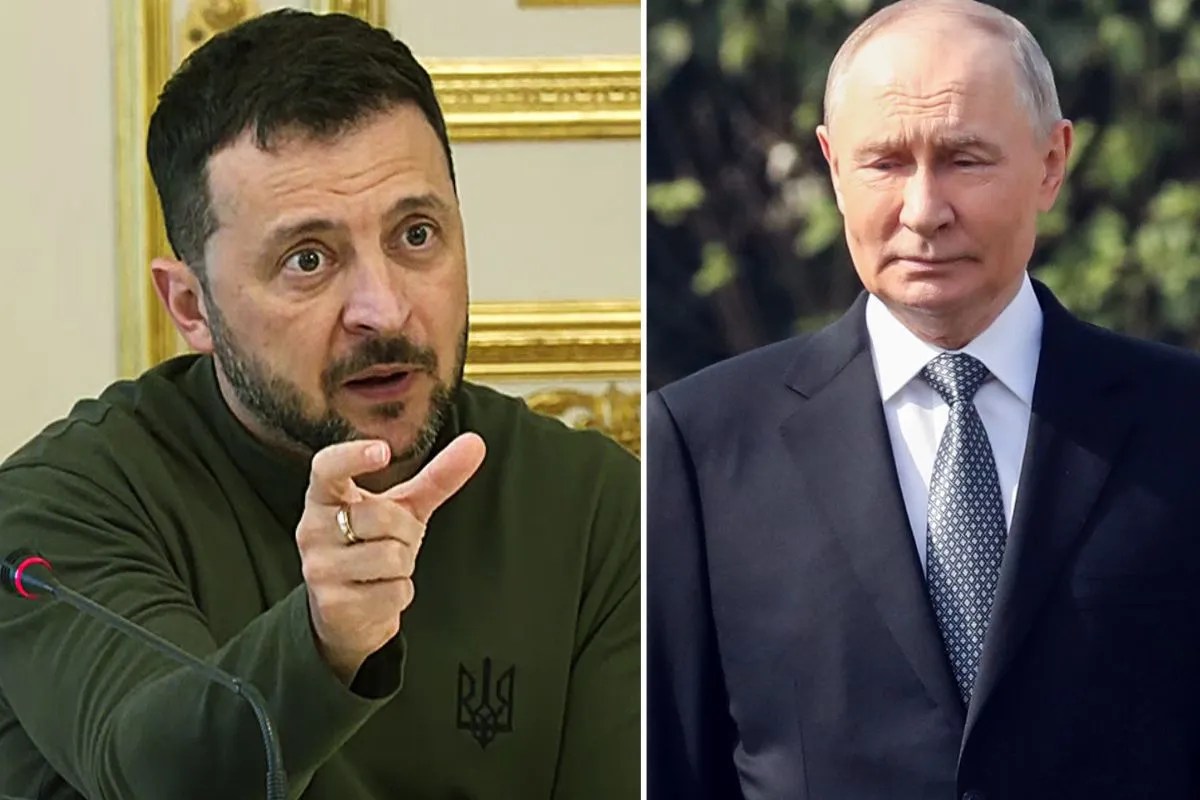
Foreign policy rarely pairs two figures with more ideological friction than Ed Miliband and Marco Rubio. When the UK Foreign Secretary heads to Washington to sit down with his US counterpart, diplomatic protocol masks a mountain of past baggage. You are looking at a collision between old-school British climate ambition and America's current energy realism.
The stakes in this meeting go far beyond polite handshakes. Miliband arrives in the US capital carrying a heavy domestic agenda, explicitly stating that reopening the Strait of Hormuz is essential to ease cost-of-living pressures for British families. Energy prices, shipping lanes, and global inflation dictate the urgency of these talks. At the same time, Washington wants assurances that London won't let ideological climate targets compromise transatlantic security or economic cooperation. In similar updates, we also covered: Why Donald Trump Is Suddenly Calling Out Iran Over Protester Executions.
The Weight of Past Rhetoric
Let's address the elephant in the room. Miliband hasn't always kept his thoughts on Donald Trump to himself. Years ago, he famously labeled the American leader using severe personal terms during a heated political climate. Those remarks didn't vanish into thin air.
When Prime Minister Andy Burnham handed Miliband the Foreign Office brief, eyebrows shot up across Washington. Figures close to the US administration didn't hide their skepticism, questioning how a fierce critic of the White House could manage a vital alliance. Even top diplomats in London pointed out that old insults require careful navigation. Miliband has pivoted to the pragmatic necessity of statecraft, maintaining that the bilateral alliance remains essential, but Rubio knows he's dealing with a minister whose background diverges sharply from current American priorities. Al Jazeera has also covered this important topic in great detail.
Energy Realism Versus Net Zero
The policy gap between the two men is massive. Miliband made his name as a vocal champion of renewables, green energy mandates, and phasing out fossil fuel dependencies. On the flip side, the current Washington administration champions domestic oil, gas expansion, and pushing back against stringent climate constraints.
Conservatives on both sides of the Atlantic have warned that this ideological mismatch could strain diplomatic channels. Miliband's long-standing green activism sits awkwardly next to the fossil-fuel-friendly stance coming out of the Oval Office. Yet, diplomacy forces cooperation. Miliband isn't just talking about carbon targets during this trip; he's tackling immediate geopolitical crises, including the war in Ukraine and the humanitarian disaster in Gaza.
Navigating Global Flashpoints
Despite their differences, immediate security concerns force a united front. Ukraine remains a central focus. With support from Washington sometimes appearing erratic or shifting, Miliband aims to reinforce that European security is deeply tied to transatlantic backing. He plans to stress that the UK will stand beside Kyiv for the long haul.
Beyond Europe, the conversation centers heavily on the Middle East. Disruptions in Gulf shipping lanes have driven up fuel and food prices globally. Reopening vital maritime corridors is a top priority to relieve economic pressure at home. Miliband will also use his broader Washington itinerary—including a stop to meet World Bank President Ajay Banga—to shape international development policy under a shrinking aid budget.
The Washington summit will test whether stark political differences can take a backseat to urgent economic and security necessities. Watch how these two handle the pressure.
Strait reopening essential for UK families, says Ed Miliband
This article provides direct context on Ed Miliband's diplomatic agenda and his discussions with US officials regarding energy corridors and international security.