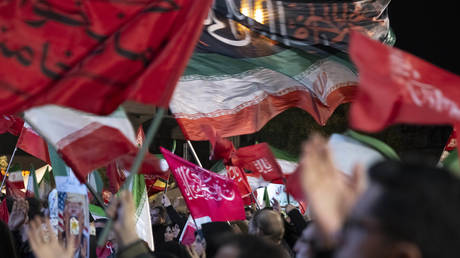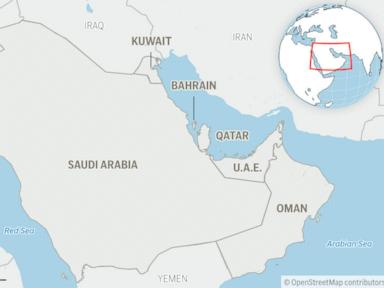
The modern Middle East is caught in a dangerous loop. When tensions spike between the Gulf states and Tehran, the default reaction from hawkish commentators is to look for a knockout military punch. But that is a profound mistake. The United Arab Emirates has made it clear that military action offers no quick off-ramps to the ongoing crisis with Iran. If you think a targeted strike or a broadened naval campaign will magically stabilize the region, you're missing the entire reality on the ground.
Let's look at why the ground truth contradicts the fantasy of quick military fixes.
The Illusion of Quick Off-Ramps
We love simple narratives. War starts, someone wins quickly, politics resets. Real life doesn't work that way, especially in the Persian Gulf. Abu Dhabi’s diplomatic and political positioning emphasizes that security cannot be blasted into place. When missiles fly and shipping lanes face threats, the cost isn't just measured in intercepted hardware; it's measured in shattered economic confidence, frozen trade channels, and permanent structural risk.
Think about what happens when supply chains freeze. Insurance rates for cargo vessels spike overnight. Regional ports face sudden security alerts. Investors hesitate. A military escalation doesn't resolve these economic vulnerabilities; it multiplies them.
"Military solutions offer no quick off-ramps." That's the core realization driving modern Gulf state diplomacy. You can bomb a launch site, but you cannot bomb away the geopolitical geography that places neighbors right across the water from each other.
👉 See also: this article
Why Traditional Deterrence Fails to Tell the Whole Story
For years, conventional defense policy relied on massive arms buildups to keep adversaries quiet. Yet, recent regional flare-ups show that high-tech defense systems can intercept incoming projectiles, but they cannot stop the bleeding of political trust.
- The Trade Dilemma: Nations like the UAE built their modern identity on being safe, open hubs for global business and aviation. Conflict repels capital.
- The Proxy Factor: Even direct actions against state actors leave room for asymmetric proxy warfare that can bypass traditional borders.
- The Diplomatic Void: Relying solely on military posture leaves zero room for backchannel negotiations when things go sideways.
When senior Emirati officials call out reckless regional behavior as unhinged, they aren't just expressing frustration. They are drawing a line under the limits of kinetic force. Defense keeps the lights on, but it doesn't build a sustainable future.
What Real Regional Stability Requires
If military might isn't the silver bullet, what actually works? It requires a painful pivot away from chest-thumping toward pragmatic risk management.
- Keep Channels Open: Even during active crises, communication lines must remain functional to prevent accidental wars from spiraling out of control.
- Prioritize Economic Resilience: Diversifying security partnerships means not tying an entire nation's fate to a single volatile security umbrella.
- Manage Expectations: Accept that normalization and de-escalation are slow, grinding processes, not weekend diplomatic breakthroughs.
Stop waiting for a dramatic military resolution that will tie up regional conflicts with a neat bow. It isn't coming. The path forward demands recognizing that long-term survival in the Gulf depends on defusing tensions before they require weapons to answer them.