Ten days under mud and concrete usually means only one thing. Families start traditional mourning rites, recovery teams transition from urgency to deliberate grid searches, and the hope of finding anyone alive fades into statistical impossibility.
Yet, against all odds, rescue workers in Nepal pulled survivors from the wreckage well over a week after catastrophic flash floods tore through the mountain valleys. Don't forget to check out our recent post on this related article.
If you think standard disaster protocols are ironclad, you're missing how fragile our survival math actually is.
What Happened on the Ground
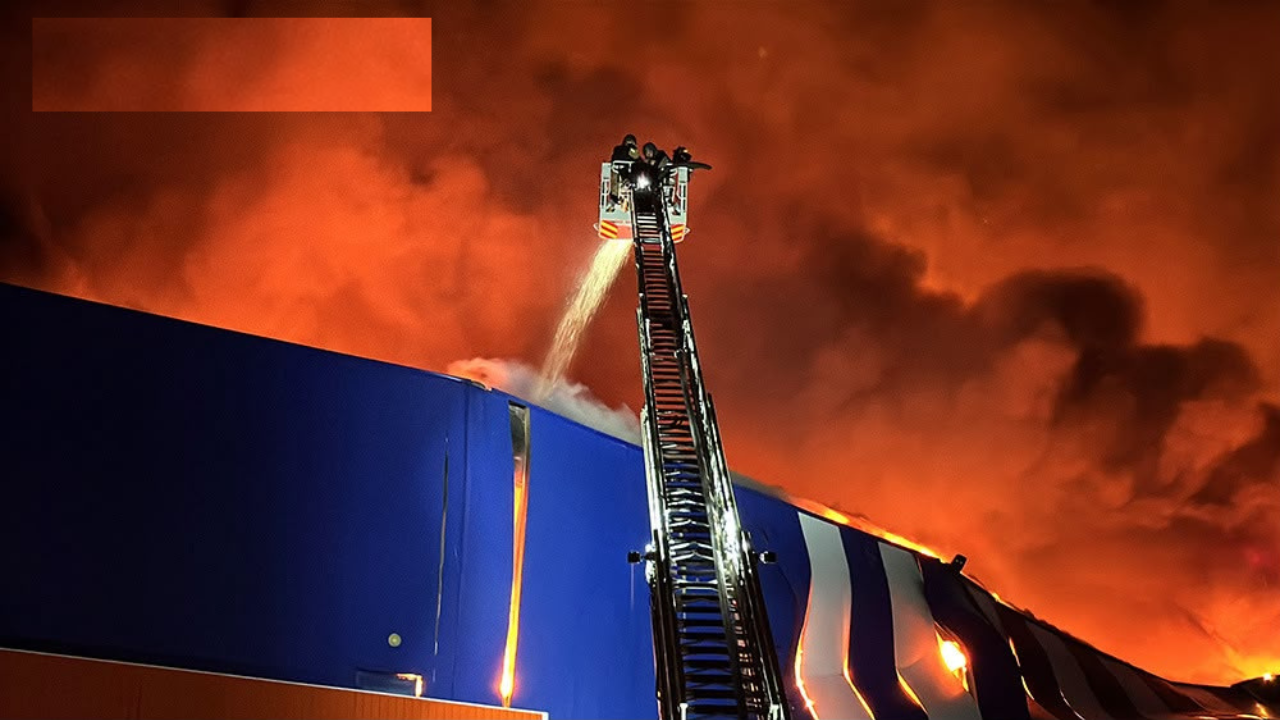
Back on August 26, massive surges of water, ice, and debris crashed through regions like Nuwakot and Rasuwa. Entire multi-story buildings vanished into quicksand-like mud. Over a thousand people died, and thousands more went missing. To read more about the context here, Al Jazeera provides an informative breakdown.
Most operations wrote off the chances of finding anyone breathing past the 72-hour window. But persistence paid off when a team heard a faint voice whispering "save me" from a collapsed four-story home.
That voice belonged to 64-year-old Chandika Kumari Shrestha. Her family had already begun funeral rituals.
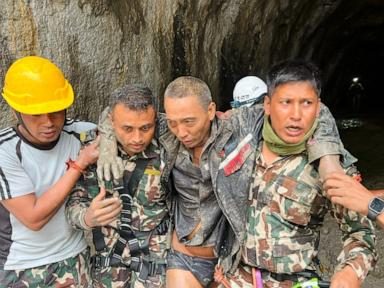
Simultaneously, inside the dark interior of the Trishuli hydropower project tunnels, workers trapped deep underground managed to hang on through sheer grit and isolated pockets of air. Mechanical foreman Sanjay Sah and other survivors proved that human endurance defies rigid timelines.
Why This Rewrites the Rules of Disaster Response
Most people assume search operations follow a strict downward curve that hits zero survivors by day four or five. That logic works on paper, but reality is messier.
- Air pockets matter more than time: In reinforced structures or underground tunnels, trapped air can sustain life much longer than expected if water doesn't completely fill the void.
- Micro-climates inside rubble: Dense mud can create seals that trap humidity and breathable air away from rushing torrents.
- The psychological edge: Survivors who keep moving upward instead of panicking often find isolated dry zones.
When a survivor emerges after 10 days, every single search algorithm and logistical assumption changes. Command staff can no longer treat heavily buried sites as purely recovery zones. The stakes instantly reset.
The Brutal Reality Behind the Statistics
Don't let the miraculous rescues fool you into thinking happy endings are common here. Thousands remain unaccounted for. International teams from India, China, and South Korea are still sifting through tons of hazardous sediment across a dozen damaged hydropower projects.
The terrain itself is hostile. Thick white silt has baked hard around structures, turning excavation into slow, grueling handiwork. Heavy machinery risks collapsing unstable voids if operators push too fast.
Every time a crew pulls someone out alive, it creates an immense psychological burden for the teams on rotation. They suddenly have to balance the high speed of recovery work with the agonizing possibility that the next pile of rubble holds someone else who is quietly waiting.
Pay attention to how disaster management evolves after this event. When standard timelines fail, adaptability is the only tool that keeps the death toll from climbing higher.
3 people found alive in Nepal tunnel & woman found alive in rubble 10 days after devastating floods
This video provides direct footage and breakdown of the miraculous rescue operations in Nepal where survivors were pulled from the rubble and tunnels after ten days.