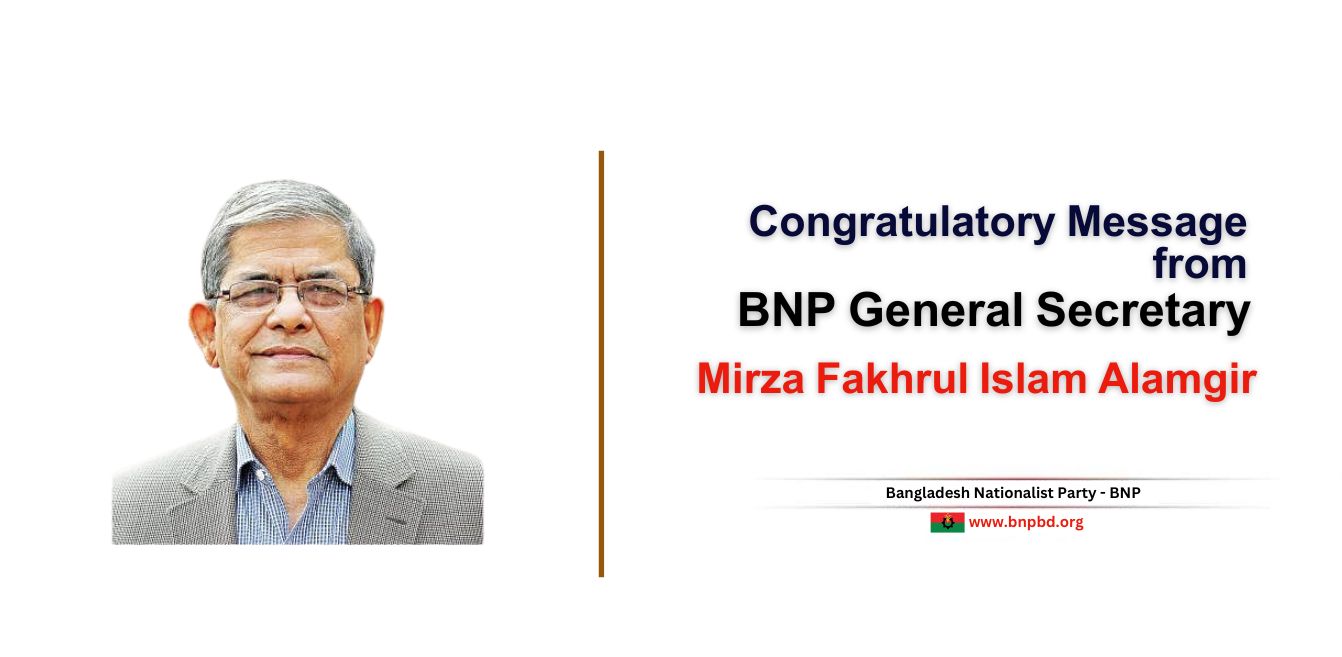
On August 20, 2026, the halls of the Jatiya Sangsad witnessed something Bangladesh hasn't seen in 35 years: a genuine contest for the presidency. Mirza Fakhrul Islam Alamgir, a long-time stalwart of the Bangladesh Nationalist Party (BNP), secured 255 votes to defeat his rival, Oli Ahmed, who pulled in 88.
This isn't just another routine political appointment. It marks a shift in how the country manages its highest office.
A Rare Contested Election
For decades, the Bangladeshi presidency has been a ceremonial rubber stamp, usually filled by consensus or uncontested nominations. By bringing a challenger like Oli Ahmed—backed by an 11-party opposition alliance—into the mix, the 2026 election broke that tradition.
You might wonder why a ceremonial post deserves this much heat. While the office remains largely symbolic under the current parliamentary system, it carries weight during political transition periods. The President acts as the supreme commander of the armed forces and holds the constitutional power to appoint the prime minister and the chief justice. In a climate where the country is navigating a new political era, having a veteran leader like Alamgir in that chair is a strategic move by the ruling BNP.
From Student Activist to Head of State
If you’ve followed Bangladesh’s volatile political history, you know the name Mirza Fakhrul Islam Alamgir. Born in 1948 in Thakurgaon, his political roots go deep. He wasn't always a career politician; he actually started as an academic. After earning his degree in economics from Dhaka University, he joined the civil service and taught at Dhaka College.
He cut his teeth during the 1969 student uprising, a defining moment that pushed East Pakistan toward independence. This background of student activism and later years as a government official gave him a unique perspective on the machinery of the state. He didn't just walk into power; he endured the grind. During years of intense political pressure, he served as the BNP’s secretary general, steering the party while its top leaders were either imprisoned or in exile.
Why the Presidency Vacated Early
This election wasn't scheduled. It happened because the former President, Mohammed Shahabuddin, resigned on July 24, 2026, citing health issues. Shahabuddin was a remnant of the previous administration, and his departure left a vacuum that had to be filled within 90 days under the constitution.
The transition is notable because the BNP, which returned to power in the February 2026 elections, clearly wants to solidify its footing. Prime Minister Tarique Rahman’s administration viewed this election as a way to affirm their mandate and move past the era of the Awami League.
What Comes Next
Alamgir is scheduled to take his oath at the Darbar Hall of Bangabhaban on August 21, 2026. He’s walking into an office that the BNP has previously hinted could use more teeth.
There’s been talk within the party about potential constitutional amendments to broaden the president's role. Whether or not that happens, Alamgir’s presence provides a bridge between the party’s long-standing grassroots movement and the current executive branch.
If you're tracking the stability of this transition, watch how the opposition responds in the coming weeks. The fact that an opposition candidate stood for election at all is a signal that political discourse in the Jatiya Sangsad is changing. The days of uncontested, predictable outcomes seem to be fading.
For now, the focus shifts to the oath ceremony and the first formal acts of the new presidency. Keep an eye on the official BNP portal for updates on the transition and any subsequent policy announcements. The political map of Bangladesh is currently being redrawn, and this election is one of the most visible lines on that map.