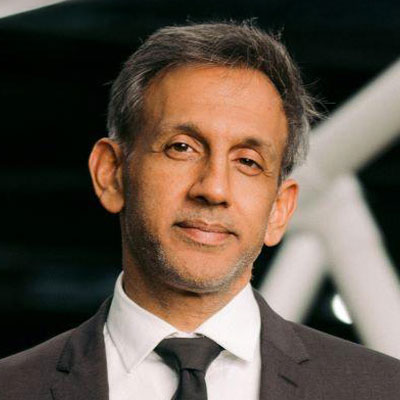
Sirens blared across the Riyadh International Convention and Exhibition Centre while Saudi Human Resources and Social Development Minister Ahmed bin Sulaiman Al Rajhi stood at the podium. Phones buzzed simultaneously with emergency notifications. It was not a routine emergency test or a weather warning. It was a live missile alert.
For anyone watching the forum, the contrast was jarring. One moment, official projections and economic strategies filled the screens. The next, the realities of escalating regional warfare pierced the room. Instead of fleeing or panicking, Al Rajhi paused briefly, acknowledged the warning with a steady voice, and pivoted back to the microphone.
“We are under the protection of the Lord of the Worlds,” he told the audience, before continuing his address.
That composure played well for the cameras, but beneath the calm exterior lies an increasingly volatile security crisis. The incident highlights a brutal shift in the ongoing conflict involving Houthi forces, Saudi infrastructure, and shifting alliances across the Arabian Peninsula.
The Escalating Threat to Riyadh
The disruption at the economic forum did not happen in a vacuum. Just days prior, two consecutive Houthi strikes hit King Khalid International Airport in Riyadh. Those attacks left more than a dozen people dead and wounded over three hundred others, forcing the Saudi General Authority of Civil Aviation to temporarily shut down operations at the capital's main international hub.
Residents across Riyadh reported hearing loud explosions as air defense batteries engaged incoming projectiles. The Saudi military confirmed intercepting ballistic missiles targeting the capital, along with additional threats aimed at the southwestern city of Khamis Mushait.
When emergency alerts ring out during high-profile ministerial speeches, it signals a complete collapse of deterrence. For years, the Saudi capital felt largely insulated from the direct physical tolls of the Yemen war. Air defense systems, primarily US-supplied Patriot batteries, intercepted the vast majority of cross-border rocket and drone fire before it reached populated centers. Now, high-profile penetrations and civilian casualties are changing public sentiment and forcing a rapid military recalibration.
Why the Conflict Is Flaring Up Again
To understand why a routine forum in Riyadh is suddenly interrupted by missile alerts, you have to look at the fragile state of the Yemen truce. Large-scale active combat had largely quieted down following a United Nations-brokered truce in 2022. Hopes for a permanent diplomatic off-ramp were high.
Those hopes fractured when violence returned to the forefront. In July, Saudi-backed Yemeni forces struck Sanaa Airport, breaking the fragile calm. In response, Houthi fighters launched aggressive counter-operations, seizing major stretches of Yemen's Red Sea coast, including territory around the strategic Bab el-Mandeb Strait and the port of Mocha.
This narrow chokepoint handles a massive percentage of global maritime trade. When control of the Bab el-Mandeb shifts, global supply chains panic. Saudi-backed forces quickly launched counteroffensives to retake key positions along the shipping lane, backed by intense air campaigns.
According to Houthi figures, recent Saudi airstrikes have killed nearly four hundred people since early September. The cycle of retaliation has escalated from proxy skirmishes to direct strategic hits on airports, infrastructure, and political centers.
The Regional Fallout and What Comes Next
Houthi leadership has made their terms clear. Spokesperson Mohammed al-Bukhaiti stated that strikes on Saudi facilities will continue until Riyadh ends its military coalition involvement, lifts economic blockades on Yemen, and signs a comprehensive peace agreement.
Meanwhile, Western powers find themselves in an awkward diplomatic corner. While European and American officials routinely condemn Houthi attacks on civilian airports and international shipping lanes, critics point out a glaring double standard regarding the civilian toll of coalition airstrikes inside Yemen.
Minister Al Rajhi’s defiance on stage will be broadcast as a symbol of state resilience. Yet, optics cannot shoot down ballistic missiles. As airspace closures disrupt travel and air defense systems work overtime to protect major cities, the pressure on Riyadh to find a definitive diplomatic solution—or escalate its military campaign further—has never been higher.
The security architecture of the Arabian Peninsula is facing its toughest test in years. Expect further border volatility, intensified naval security operations in the Red Sea, and heightened alert levels across major Gulf cities as both sides dig in for a protracted confrontation.