Six days in the rugged Australian bush is an eternity. When 17-year-old William vanished near Walhalla, a historic gold-mining town 185 kilometers east of Melbourne, fear took over. He was camping with a friend when he walked a short distance to collect extra gear from a drop-off point and simply never made it back.
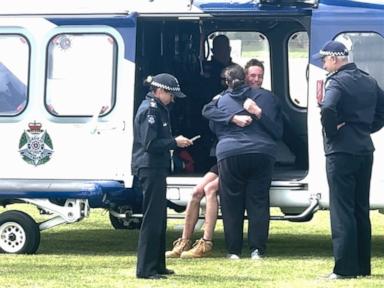
What followed was an intense six-day search involving over 100 emergency service personnel and volunteers combing through dense timber, steep alpine terrain, and unpredictable wilderness. Against the odds, rescue crews spotted him lying in a dry creek bed, waking up to the sound of a chopper, giving a thumbs-up, and getting winched to safety.
The Anatomy of the Disappearance
William has Level 2 autism, a condition requiring substantial daily support and predictability. When someone with strict routine needs becomes disoriented in an unfamiliar, rugged landscape, panic or disorientation can quickly compound the physical danger.
His mother, Elizabeth, had dropped off William and his friend for a weekend trip. That initial separation turned into a nightmare when William took a wrong turn or became turned around on his way back from the vehicle drop-off. Instead of staying put, he trekked across grueling, steep terrain for days. Acting Police Inspector Jason Benbow noted that William spent the final two days trapped by the sheer steepness of the terrain in a creek bed roughly two kilometers from his original campsite.
Surviving the Wilderness
Nature offered a brief window of grace. Spring weather in the Australian alpine region remained relatively mild during his ordeal, with minimal rainfall. Without heavy storms or freezing temperatures to contend with, William managed his exposure using basic items, making do with shorts, boots, and towels as makeshift blankets while shirtless and sunburned under the open sky.
People often underestimate how fast wilderness exposure drains physical and mental energy. Dehydration, hypothermia, or sheer exhaustion usually take hold within days. Yet, when the police rescue helicopter finally located him from the air, William was reported to be in surprisingly good spirits and generally solid health, given the circumstances.
The Rescue and Reunion
The breakthrough came when rotor blades echoed through the remote
How a Missing Teen Survived Six Days in the Australian Woodlands
news
Six days. In the harsh Australian bush, that is an eternity.
When a teenager goes missing in the unforgiving wilderness, every single hour counts. The odds usually drop fast after the first forty-eight hours. Dehydration, exposure, freezing night temperatures, and rugged terrain create a deadly combination. Yet, against all odds, a missing teen was recently found alive after spending nearly a week lost in the dense Australian woodlands.
How did they survive? What makes the Australian bush so terrifyingly easy to get lost in, and what can outdoor enthusiasts learn from this incredible rescue? Let us break down the reality of wilderness survival in one of the toughest environments on Earth.
The Reality of the Australian Bush
People underestimate the bush. It looks scenic from a highway, but step off the trail and the landscape transforms instantly. Eucalyptus forests stretch for miles, blending together into a disorienting maze of greens and browns.
If you lose your bearings here, panic sets in fast. The canopy blocks landmarks. GPS signals fail or phones run out of battery. Temperatures swing wildly between scorching daytime heat and bitter cold at night.
Staying alive for six days means beating extreme psychological pressure just as much as physical threats. Most people don't realize that panic is the biggest killer in survival situations. When you stop thinking clearly, you walk in circles, burn precious calories, and make fatal mistakes.
What This Rescue Teaches Us About Search Operations
Locating a missing person across thousands of acres of rugged Australian terrain requires massive coordination. Emergency services, local police, State Emergency Service volunteers, and Indigenous trackers often combine forces.
Ground crews face immense challenges. They can walk right past a person sitting under a bush because the visual camouflage of the Australian landscape is absolute. Helicopters equipped with thermal imaging play a huge role, but thick foliage can block heat signatures.
This specific rescue highlights why search parties refuse to give up early. Even when hopes fade past the seventy-two-hour mark, human resilience surprises everyone. Staying put, finding a water source, and conserving energy remain the golden rules that keep people alive long enough for rescuers to reach them.
Essential Survival Rules If You Get Lost
Getting turned around in the wilderness happens easier than you think. If you ever find yourself stranded in the backcountry, forget what you see in movies and stick to the basics.
Stop moving immediately. The biggest mistake lost hikers make is trying to outwalk the problem. Moving blindly multiplies the distance between you and the rescue teams.
Find shelter before dark. Hypothermia kills faster than hunger, even in warmer climates when night winds drop temperatures sharply.
Conserve your energy and stay visible. Make noise if you hear search teams, but save your voice when it is quiet. Bright clothing or signaling devices can save your life.
Preparation beats luck every single time. Always pack an emergency beacon, extra water, and a basic survival kit whenever you step into remote areas, because the bush gives no second chances.