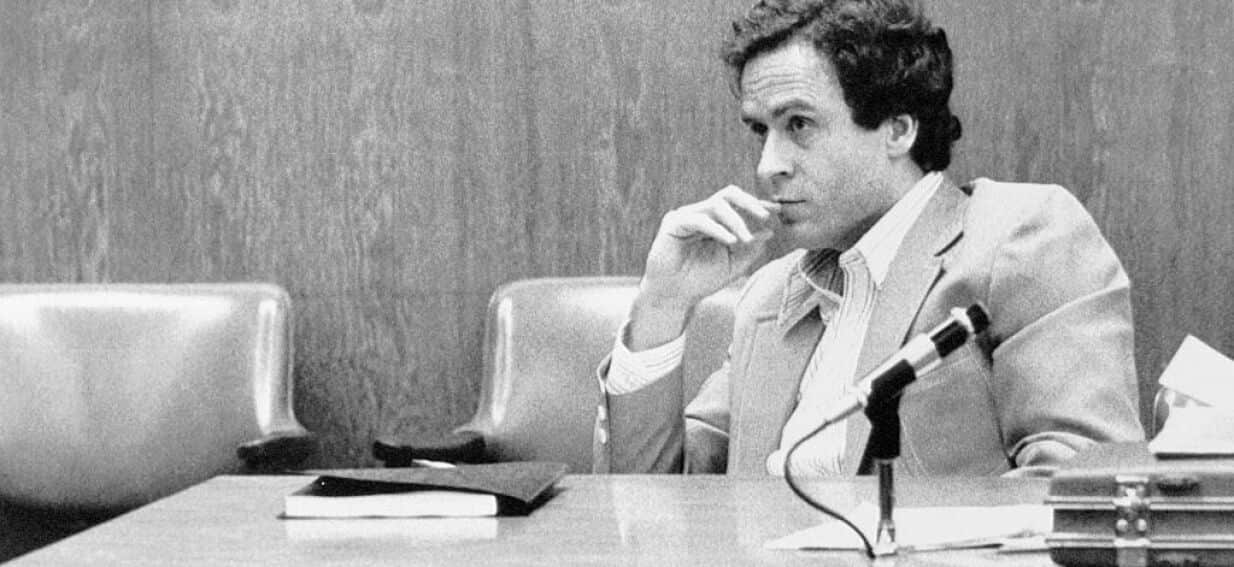
Cold cases usually end in silence. Half a century passes, files yellow in filing cabinets, and families learn to live with permanent absence. But forensic science keeps rewriting the rules of criminal justice.
Take the 1974 disappearance of 17-year-old Laura Ann Aime. She vanished on Halloween night after leaving a party in Utah County. A month later, hikers found her body in the American Fork Canyon. She had been bound, beaten, and strangled. Investigators suspected foul play pointed toward a violent predator roaming the state at the time, yet the physical evidence collected back then lacked the integrity needed for definitive proof.
Decades ticked by. Law enforcement agencies held onto tiny biological samples, hoping future technology might finally extract answers. In 2025, cold case detectives and specialized sergeants reviewed the file with fresh eyes. Advances in genetic testing unlocked what previous decades could not. The Utah County Sheriff’s Office announced that modern DNA profiling irrefutably verified the presence of genetic material belonging to notorious serial killer Ted Bundy.
Bundy had actually dropped cryptic hints right before his 1989 execution, suggesting involvement in Laura's disappearance. He loved playing games with authorities, tossing out vague confessions to buy time or manipulate investigators. Because he was such an unreliable narrator, police could never officially close the book on Laura's case based solely on his deathbed remarks. Vague hints don't stand up in a court of law. Hard science does.
This breakthrough highlights a massive shift in how cold cases get resolved today. Investigators aren't relying on confessions or witness memories that fade over time. They rely on micro-traces of DNA preserved on decades-old evidence. When detectives re-examined the physical items recovered from the canyon, newer extraction methods bypassed the degradation that rendered the samples useless in the 1970s.
Bundy operated across multiple states between 1974 and 1978, slaughtering at least 30 women while maintaining a façade of charm and normalcy. While he was studying law at the University of Utah, he hunted in plain sight. For years, true crime researchers debated his exact victim count. Connecting him scientifically to Laura Ann Aime proves that his true toll remains staggering, and that historical files left open for generations can still yield accountability.
Families of cold case victims often face a unique kind of torture. There is no body to bury properly, no trial to attend, and no final chapter. Technology changes that dynamic entirely. As laboratories refine touch DNA techniques and genealogical databases expand, more forgotten files will face scrutiny.
If you're following cold case investigations or working with archival records, remember that preservation is everything. The physical evidence locked away in municipal vaults today holds the keys to tomorrow's confessions. Science catches up eventually.
Slain Utah teen found in 1974 definitively linked to Ted Bundy murders
This video report breaks down the forensic breakthroughs and police announcements linking Ted Bundy to Laura Ann Aime's 1974 cold case.
http://googleusercontent.com/youtube_content/1