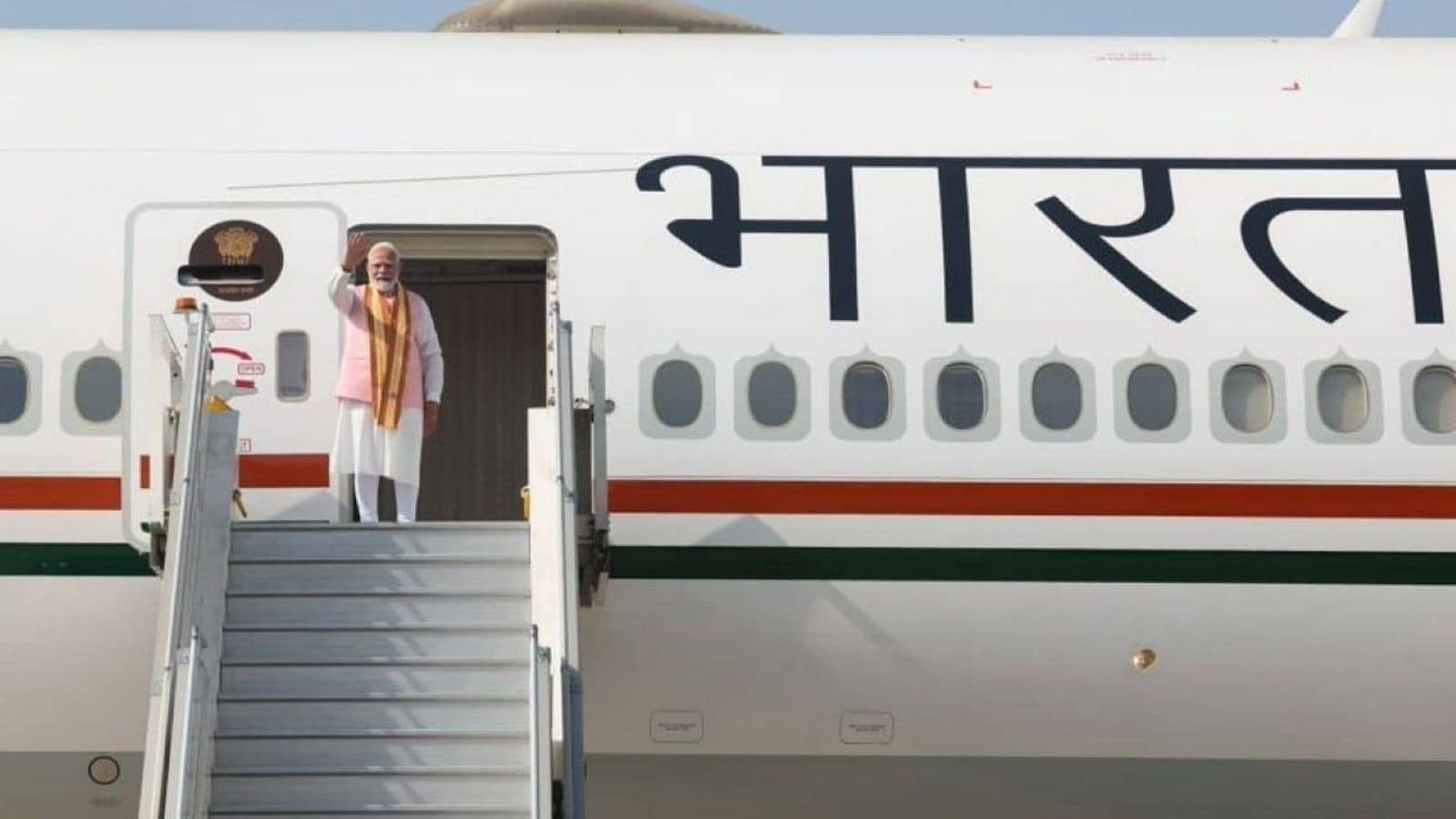
Central Asia has always looked closer on a map than it feels in practice. Geography handed India a difficult puzzle, with direct land routes blocked and alternative corridors caught in geopolitical crossfire. Prime Minister Narendra Modi's four-day diplomatic swing through Uzbekistan and Kyrgyzstan isn't just about diplomatic pleasantries. It is a calculated push to secure critical resources, outflank persistent connectivity hurdles, and project influence where major powers like Russia and China hold heavy sway.
If you want to understand why New Delhi cares so much about Tashkent and Bishkek right now, look past the red carpets and focus on the quiet negotiations over critical minerals, uranium, and digital infrastructure.
Upgrading the Tashkent Track
The first leg of the tour in Tashkent yielded tangible updates. India and Uzbekistan elevated their relationship to a Comprehensive Strategic Partnership. That sounds like typical bureaucratic jargon, but it carries real weight. Bilateral trade targets have been nudged past the five-billion-dollar mark by 2030.
Hitting that target won't be simple. Current commercial exchanges sit far below their potential because logistics and financial pipelines remain clunky. Yet, Tashkent is eager to diversify its partnerships. For India, Uzbekistan offers a stable anchor for rare earth elements, pharmaceuticals, and long-term uranium supplies.
During delegation-level talks with President Shavkat Mirziyoyev, discussions moved past traditional security into digital public infrastructure. New Delhi is actively exporting its tech playbooks, pushing UPI frameworks and digital identity systems to nations looking to digitize rapidly without relying entirely on Western or Chinese tech stacks.
The Bishkek Summit and the Security Calculus
After wrapping up bilateral stops in Uzbekistan, Modi headed to Bishkek for the 26th Shanghai Cooperation Organisation (SCO) Summit. The grouping marked its 25th anniversary, operating now with ten member states including Iran and Belarus.
At the podium, Modi framed India's agenda around three explicit pillars: Security, Connectivity, and Opportunity.
On security, the message was blunt. Terrorism cannot be treated as an acceptable instrument of state policy. Delivered with regional heavyweights like China and Pakistan in the room, the stance underscores New Delhi's refusal to soften its stance on cross-border militant ecosystems, regardless of regional consensus building.
Connectivity remains the Achilles' heel for Indian trade into Eurasia. With traditional overland routes through Pakistan shut and alternative paths via Iran facing severe structural and geopolitical disruptions, India continues to press for multimodal transport corridors that respect national sovereignty. Modi emphasized that transit projects cannot bypass territorial integrity—a direct counter to unilateral corridor expansions that ignore international norms.
Behind Closed Doors on the Sidelines
The most consequential moments of any summit happen away from the cameras. In Bishkek, bilateral pull-asides allowed leaders to address friction points directly. Discussions touched on volatile flashpoints in West Asia and Ukraine, where India maintains a tightrope stance favoring active diplomacy over endless attrition.
Energy security dominated these closed-door sessions. Central Asia sits on massive energy reserves, and as global supply chains fragment, New Delhi wants guaranteed access that isn't vulnerable to maritime choke points or sudden sanctions regimes.
What Comes Next for Indian Foreign Policy
Diplomacy is cheap; implementation is where states usually stumble. The real test for India's Central Asia strategy isn't what was signed on paper in Tashkent or declared in Bishkek. It's whether logistics corridors can actually move goods cheaply and whether private enterprises will step in to exploit these political openings.
Keep an eye on how quickly those critical mineral agreements translate into shipments. Watch whether digital payment integration moves past pilot phases. If New Delhi can bridge the gap between grand strategy and commercial reality, its footprint in Eurasia will finally match its economic ambitions.
PM Modi's 4-Day Central Asia Visit: Uzbekistan, Kyrgyzstan & SCO Summit | India's Diplomatic Push
This video provides a concise breakdown of Prime Minister Narendra Modi's engagements and strategic priorities during his four-day tour of Uzbekistan and Kyrgyzstan.