Headlines about secret spy missions usually make people panic. This time, Moscow is calling them fairy tales.
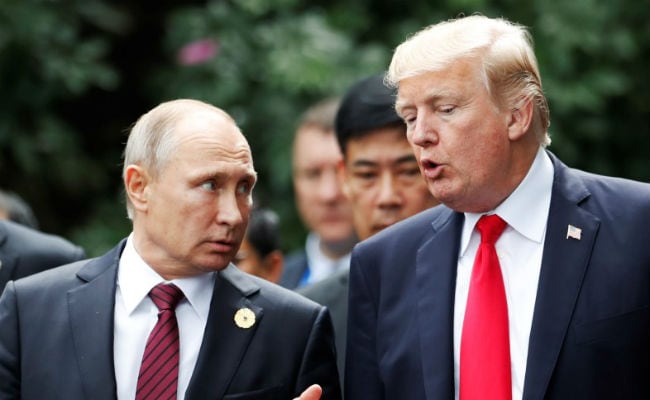
When reports broke that CIA Director John Ratcliffe flew to Moscow to deliver a blunt warning against testing the transatlantic military alliance, international media went into overdrive. US intelligence agencies apparently worry that Vladimir Putin might try a limited proxy strike or a targeted cyber assault against a European member state. The Kremlin wasted zero time waving it all away as pure fiction designed to scare the public.
Behind closed doors, high-stakes diplomacy looks messy, confusing, and contradictory. Let's look at what is actually happening beneath the noise.
The Secret Trip That Triggered a Media Storm
Intelligence chiefs don't pack their bags for a casual weekend trip to Moscow. When a high-ranking US official lands in Russia, people notice.
Reports from outlets like The Wall Street Journal pointed out that Ratcliffe's trip was meant to draw a hard line in the sand. Washington intelligence analysts have spent months modeling worst-case scenarios. They aren't necessarily losing sleep over a massive rolling tank army barreling toward Berlin. Instead, they fear creeping gray-zone tactics. Think crippled power grids, severed undersea fiber-optic cables, or a quick, deniable ground incursion along a tense eastern border.
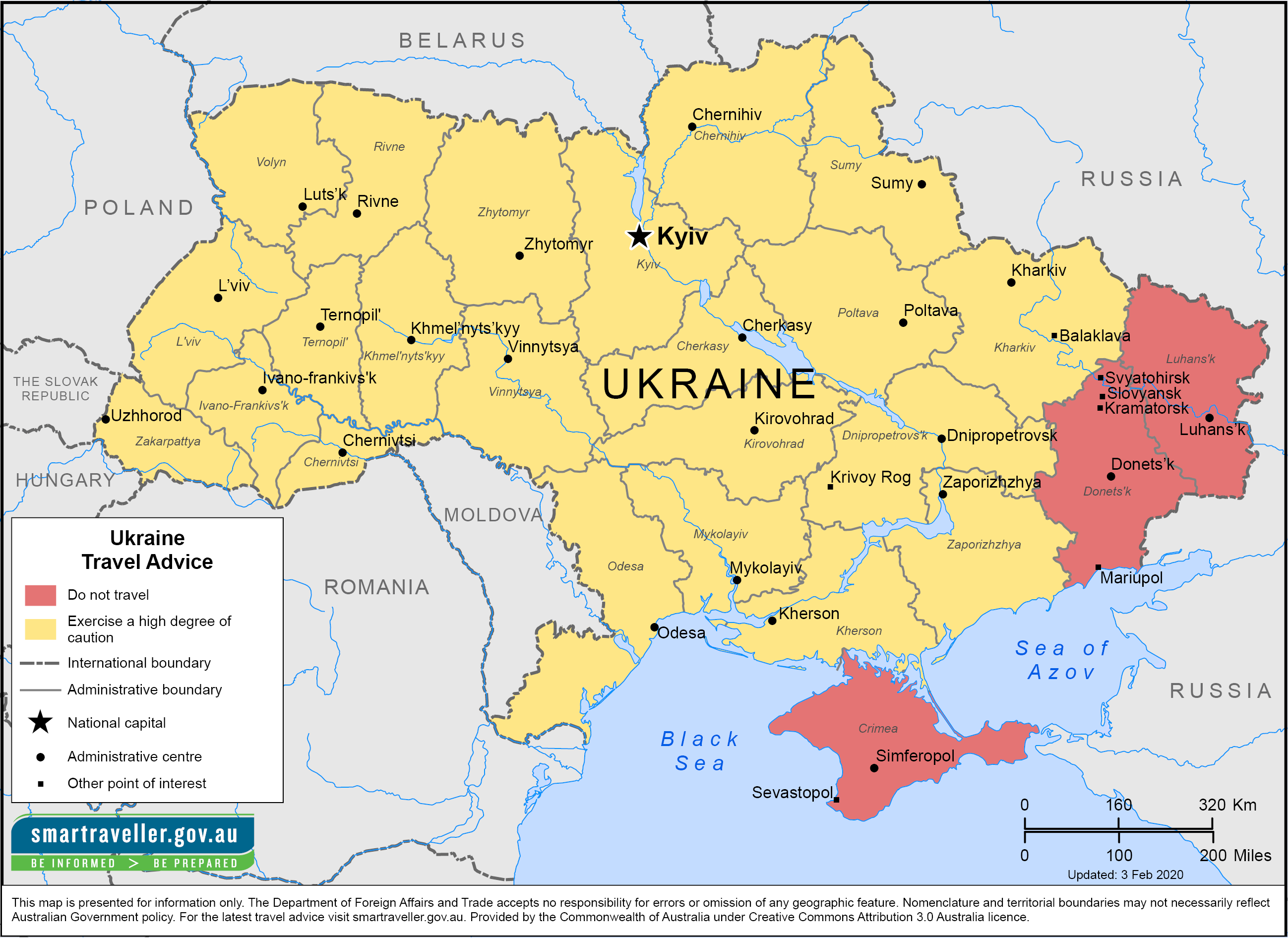
President Donald Trump didn't feed into the panic. Speaking on radio, he brushed off the journey as a "semi-routine" check-in while emphasizing active talks to wrap up the grinding war in Ukraine. According to Trump, Putin has zero intention of poking the alliance.
How the Kremlin Shut Down the Narrative
Moscow hates looking reactive. When asked directly about the alleged warnings, Kremlin spokesperson Dmitry Peskov didn't mince words. He labeled the reports as baseless scare stories that bear no resemblance to reality.
Peskov confirmed that Ratcliffe met with Russian security services rather than Putin himself, though the Russian president was kept in the loop. By framing the visit as standard intelligence communication rather than an emergency intervention, Moscow tried to keep control of the narrative.
It is a classic playbook move. Whenever Western intelligence leaks details of a specific threat assessment, foreign capitals usually adopt one of two stances: stony silence or flat denial. Russia chose the latter, weaponizing the term "scare stories" to paint Western press as hysterical and manipulative.
Why the Fear Persists Across Europe
Even if Moscow laughs off the warnings, military planners in Brussels and Washington cannot afford to roll the dice.
The core anxiety isn't about tomorrow morning. It is about five years from now. If the conflict in Ukraine eventually freezes or winds down, Russian military stockpiles will eventually reconstitute. Western defense ministries look at history and see a clear pattern. Frozen conflicts rarely stay frozen forever without a credible deterrent.
A limited probe doesn't look like World War III. It looks ambiguous. It forces NATO allies to debate whether Article 5 applies to a severed communication cable or a localized border skirmish. That hesitation is exactly what intelligence agencies want to prevent through quiet, direct warnings.
Looking Past the Spin
Every major power plays a role in this theater. Washington leaks risk assessments to signal strength, maintain alliance cohesion, and prepare domestic audiences for ongoing defense spending. Moscow denies everything to project calm, undermine Western unity, and paint its adversaries as paranoid warmongers.
The truth usually lives somewhere in the uncomfortable middle. Intelligence officials are doing their jobs by planning for nightmare scenarios, while political leaders manage public perception to keep diplomacy alive. Watch what governments do behind closed doors rather than getting caught up in the daily cycle of dramatic headlines.