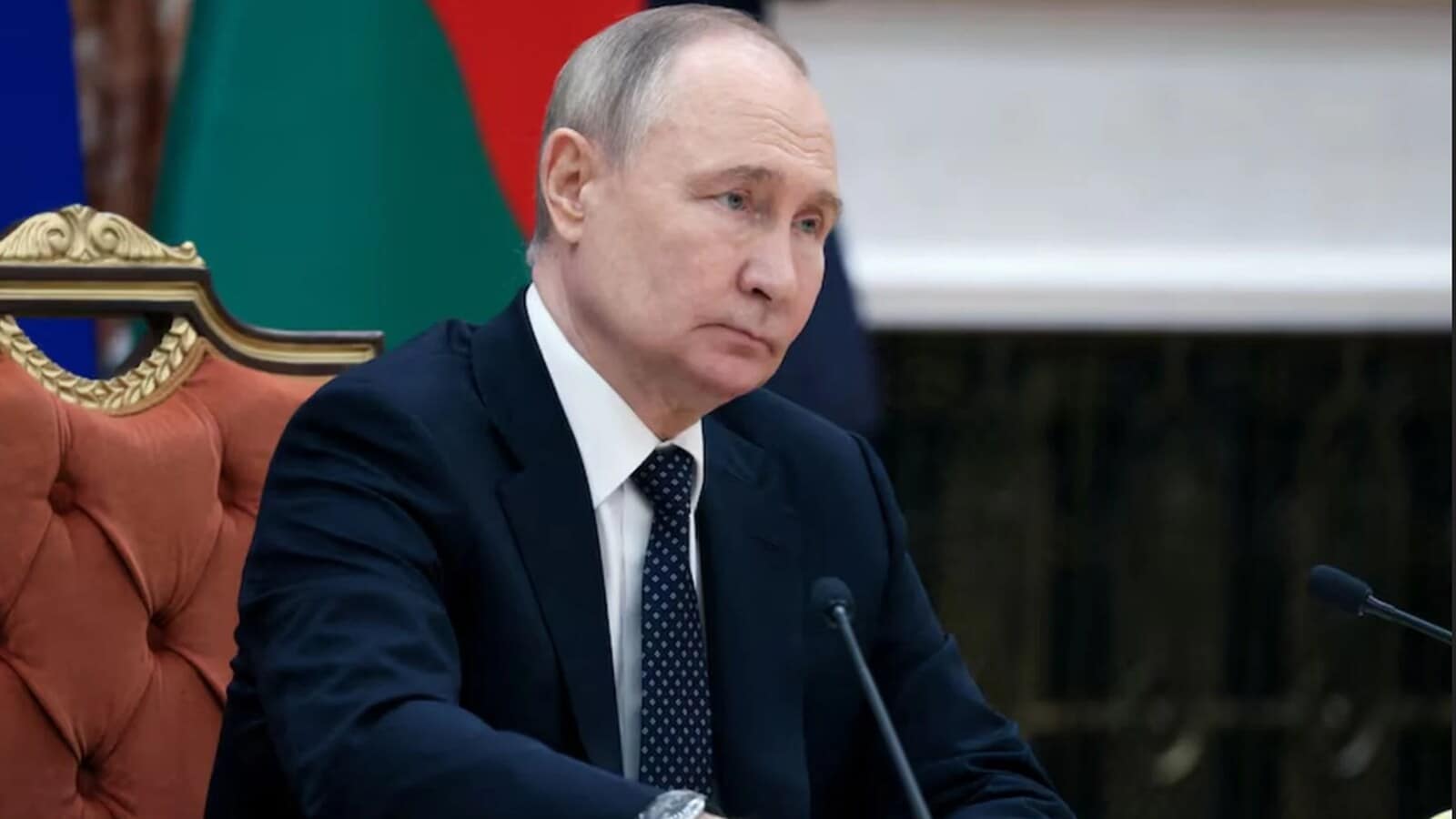
International diplomacy rarely shifts without a calculated reason. Russia recently signaled via senior officials, including Deputy Foreign Minister Sergei Ryabkov and Kremlin adviser Yuri Ushakov, that a high-stakes trilateral summit bringing together the leaders of Russia, the United States, and China is entirely possible. You need to look past standard diplomatic talking points to see why Moscow is floating this concept right now.
The Strategic Calculus Behind Three-Way Talks
Why would Moscow entertain a direct meeting involving Washington and Beijing simultaneously? Global power dynamics are shifting rapidly. Russia wants to cement its multi-polar vision where major capitals negotiate on equal footing.
By keeping the door open to a US-Russia-China format, Moscow positions itself not as an isolated actor, but as an indispensable pillar of modern geopolitics. It sends a clear message to Western capitals. Russia isn't just reacting to policy decisions made in Washington or Brussels. It actively shapes global alignment strategies alongside Beijing.
What Officials Are Actually Saying
Let's look at the concrete details. State-backed news wires like TASS and international outlets reported that Russian leadership views the idea of a three-way summit as something that "would not be without merit." Kremlin insiders note that while no concrete agenda or coordinated package is finalized yet, the prospect remains on the table for the foreseeable future.
This isn't a random off-the-cuff remark. Senior diplomats choose their words with precision. When Ryabkov refuses to rule out a format, he is testing the waters. He wants to gauge how Washington and Beijing respond to a potential high-level summit structure.
Navigating Complex Global Pressures
Stalled peace efforts, ongoing conflicts, and shifting economic alliances create a messy backdrop. Washington continues to look for pathways to restart stalled negotiations over European security architecture. Meanwhile, Beijing maintains a close strategic partnership with Moscow while carefully managing its own global trade interests.
A trilateral format changes the entire negotiating room dynamic. Bilateral talks between Washington and Moscow often turn into deadlocks over specific territorial disputes and sanctions. Adding Beijing into the official conversation changes the balance of diplomatic leverage entirely. China acts as a massive economic anchor for Russia, meaning any long-term stability pact requires broader geopolitical buy-in.
What Happens Next
Don't expect an immediate summit date on your calendar tomorrow. Diplomatic groundwork for meetings of this magnitude takes months of back-channel negotiations. Intelligence chiefs, special envoys, and foreign ministries must first align on core security parameters.
Keep an eye on upcoming international summits and back-channel communications between Moscow, Washington, and Beijing. The idea of a three-way leaders' meeting went from an abstract diplomatic theory to an active discussion point. Expect more announcements as the year progresses and global pressure mounts.
The Potential Three-Way Summit
This video provides additional context regarding high-level diplomatic maneuvers and high-stakes meetings involving Russian leadership and international envoys.
http://googleusercontent.com/youtube_content/1