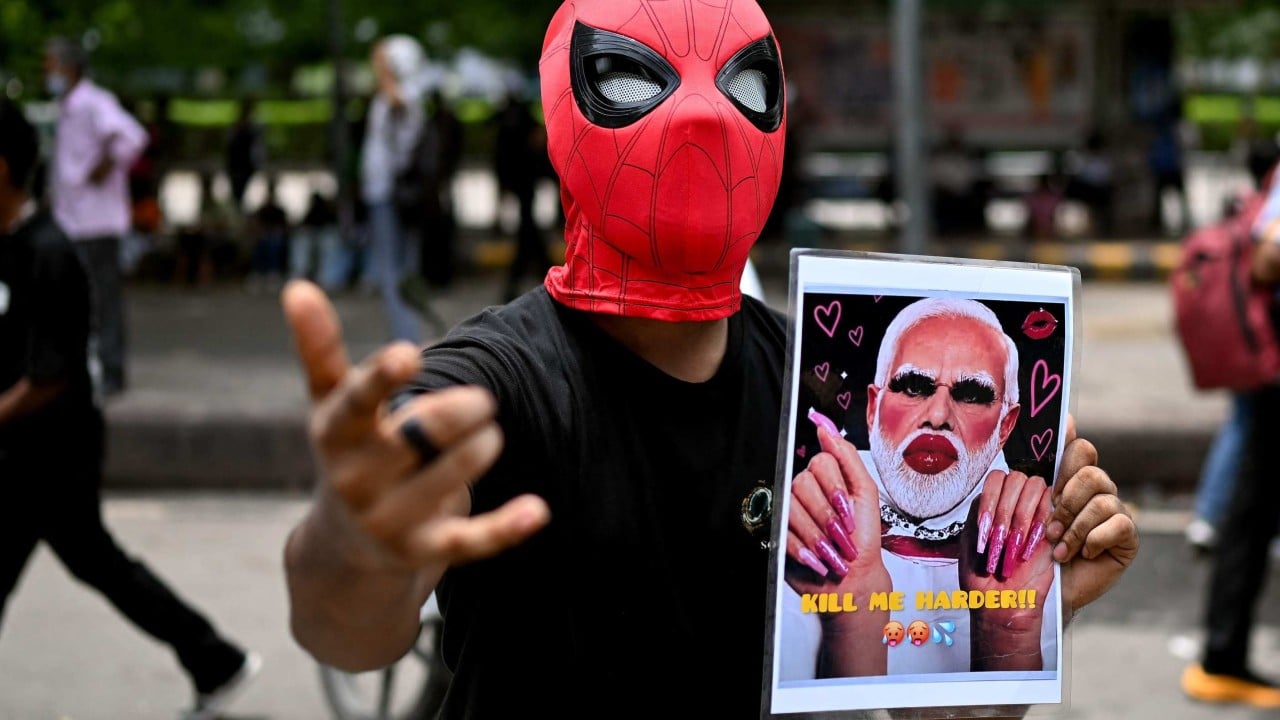
Politics gets ugly. Sometimes, it crosses lines that shock even seasoned observers. Prime Minister Narendra Modi recently faced a wave of intense hostility during demonstrations at Delhi's Jantar Mantar, where protesters demanding action over examination paper leaks hurled crude insults and profanities at him and his late mother.
Instead of demanding immediate prison time or severe crackdowns, Modi did something unexpected. He went online and announced he was forgiving them.
You might call it political theater. You might call it a masterclass in optics. But beneath the surface lies a calculated approach to managing youth anger in contemporary India.
The Breaking Point at Jantar Mantar
The backdrop to this controversy isn't trivial. India's education sector faced immense pressure following widespread anger over competitive exam irregularities, culminating in massive youth-led demonstrations. When thousands of students flooded the streets demanding accountability, emotions ran high.
Among the crowds, clips surfaced of young protesters—including teenagers—using severe, highly personal abuse. Legal machinery spun into motion almost immediately. Police registered a Zero FIR against a young participant over objectionable remarks, setting the stage for standard punitive actions under local laws.
Critics, including political figures from opposing factions like the CJP's Abhijeet Dipke, questioned whether criminalizing speech sets a dangerous precedent, pointing out the thin line between dissent and targeted harassment. Yet, the Prime Minister chose a different pivot entirely.
Shifting From Retribution to Guidance
Modi released a video message addressing the country directly. He didn't hide his pain, openly admitting that the language used against his family was deeply disturbing. But he refused to back punitive legal witch-hunts against the young participants.
"These are misguided children," Modi stated, arguing that dragging students through endless court proceedings fixes nothing.
To explain his stance, he used a familiar cultural metaphor: when teeth accidentally bite the tongue and draw blood, you don't pull your teeth out. You treat the tongue as part of the same body. By framing the protesting youth as part of the national family, he flipped the narrative from an Us-versus-Them political battle into an issue of generational mentorship.
Why Optics Matter for Gen Z Outreach
Let's be honest. Relying solely on police action against angry youth rarely wins hearts. Modi's administration understands digital communication better than most political outfits globally. Choosing short-form video platforms and direct-to-camera addresses allows the leadership to bypass mainstream media filters and speak directly to younger demographics.
When a 15-year-old protester subsequently posted a tearful public apology claiming she got swept away by the mob, the political dynamics shifted again. The narrative moved from a hardened security threat to a cautionary tale about mob mentality and social media influence.
Political opponents remain skeptical. Figures like Dipke openly asked whether the state would actually drop pending legal cases or if the forgiveness was purely performative for online consumption. After all, a public statement of pardon doesn't automatically erase a registered First Information Report.
Moving Past the Noise
The reality on the ground remains complex. Exam reforms and institutional transparency require structural solutions, not just emotional video appeals. Young Indians are staring down intense employment pressures and competitive stress. When governance systems stumble, the anger that follows is real.
Name-calling and foul language don't solve structural unemployment or paper leaks. At the same time, heavy-handed legal retaliation against minors risks martyrdom-building for opposition groups.
By stepping back, calling for calm, and framing the episode as a collective teaching moment, the leadership attempted to defuse a ticking political time bomb. Whether the legal system follows the spirit of this pardon or continues pushing charges remains to be seen.
Stop looking at this as a simple story of insults and apologies. It is a snapshot of how modern political survival requires absorbing heavy blows and turning public outrage into an exercise of paternal restraint.
Watch PM Modi Says 'I Forgive The Youth Who Abused Me' to see how the announcement was framed across digital platforms.
http://googleusercontent.com/youtube_content/1