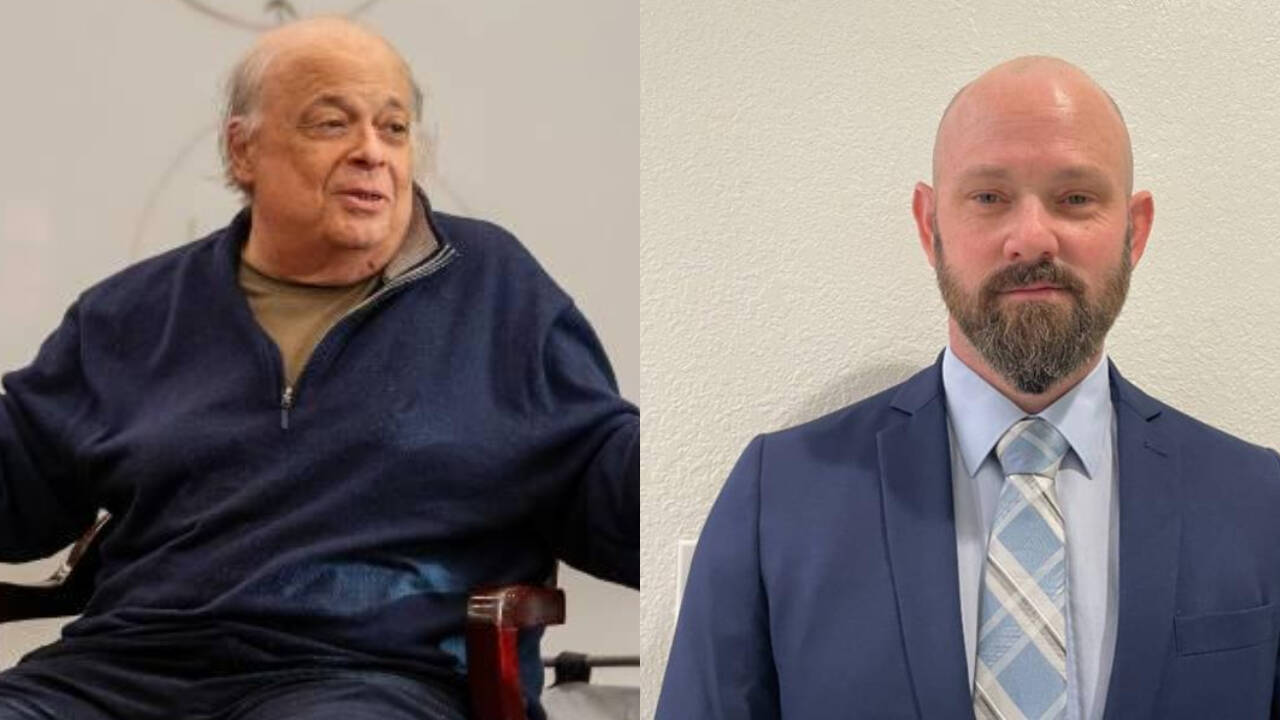
Teaching a night class at the University of North Texas at Dallas College of Law is usually about cases, precedents, and the Socratic method. But on October 8, 2026, 73-year-old law professor Michael Maslanka faced a test that wasn't on the syllabus. Halfway through his lecture, his vision blurred, exhaustion hit him hard, and he collapsed to the floor. His heart stopped beating. He wasn't just fainting. He was dying.
Most classrooms would panic in that exact moment. Students freeze. Seconds tick away. Precious minutes pass before someone figures out how to dial emergency services. But Maslanka had something most professors don't: a former Navy SEAL sitting in his third-row seat.
Matthew Melton is a 45-year-old cybersecurity professional earning his law degree. Years ago, his military deployments in places like Iraq and Bahrain exposed him to battlefield trauma and rigorous medical training. When Maslanka went down and stopped breathing, Melton didn't hesitate. He rushed to the front, assessed the grim reality, and started chest compressions.
What Actually Happens When CPR Gets Real
Television shows lie to you about CPR. They make it look clean, gentle, and instantly successful. Real cardiopulmonary resuscitation is violent, exhausting, and brutal.
Melton performed three grueling rounds of chest compressions and rescue breaths. During the compressions, he distinctly heard his professor's ribs crack. That sound triggers panic in untrained bystanders who immediately stop, fearing they are doing more damage. Melton knew better. Rib fractures are common during effective, high-quality chest compressions. Stopping means death; broken ribs mean you're actually pushing deep enough to move blood through a stopped heart.
He wasn't working alone, either. Classmates Anwar Hannon and Jeff Baza jumped in to assist, while Daniella Sanchez dialed 911, coordinated the frantic room, and held Maslanka's hand while praying for his survival. Other students sprinted outside to guide emergency responders through the building maze straight to the classroom doors.
Paramedics rushed Maslanka to Baylor University Medical Center in Dallas. Doctors discovered he had suffered ventricular tachycardia, a terrifying heart rhythm disorder where the lower chambers beat wildly out of control and fail to pump any blood. Medical staff had to shock his heart twice to restore a normal rhythm.
The Full Circle of Preparedness
Irony has a strange sense of humor. Over a decade ago, in a 2014 video for Texas Bar TV, Maslanka actually used Navy SEALs as the ultimate example of discipline, constant preparation, and professional readiness. He used to tell lawyers they needed to train like elite operators so they wouldn't freeze when crisis struck.
Years later, one of those elite operators was sitting right in front of him, keeping him alive on a linoleum classroom floor.
After spending two grueling days in the intensive care unit and several more recovering, Maslanka beat the odds. He walked out of the hospital and, incredibly, returned right back to teaching. But the experience fundamentally shifted his perspective on what matters in education.
Why Everyone Needs Basic CPR Training
Cardiac arrest doesn't send calendar invites. It happens in grocery store aisles, office cubicles, airplanes, and university lecture halls. When your heart stops, you have roughly four to six minutes before brain damage begins due to lack of oxygen. EMTs rarely arrive within that window.
Your survival depends entirely on the untrained or semi-trained strangers standing closest to you.
Maslanka's miraculous survival highlights a glaring gap in modern society. We require drivers to pass tests, accountants to get certified, and lawyers to pass the bar, yet basic life-saving skills remain entirely optional for the general public. If Melton hadn't been in that specific room with military-grade composure, the story would have ended at the county morgue instead of a triumphant return to the lectern.
Take a Saturday afternoon and sign up for a local CPR and AED certification class. Buy a pocket mask. Learn how to push hard and push fast on the center of the chest. You might never expect to use it, but when a life hangs in the balance, you won't wish you had a law degree. You'll wish you knew how to pump a heart.