When a wall of water tore down the Bhote Koshi River without warning, it didn't just wash away bridges and village homes. It shattered the fragile safety net of northern Nepal overnight.
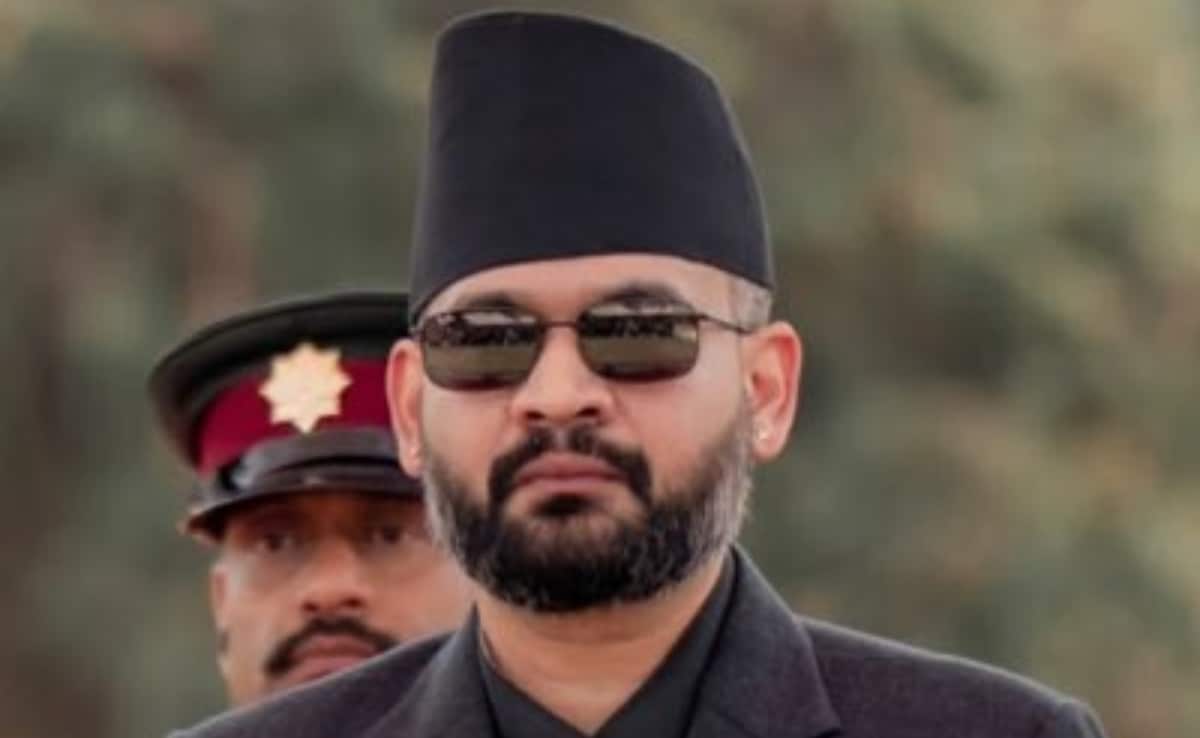
At least 95 people are confirmed dead, hundreds remain missing, and entire settlements in the Rasuwa district look like a war zone. Into this chaos stepped Prime Minister Balendra Shah with a blunt, urgent message: stop pointing fingers and stand together.
If you are trying to understand what is actually happening on the ground in Kathmandu and along the northern border, here is the real breakdown of the crisis, the government response, and why this disaster caught everyone off guard.
The Anatomy of a Sudden Catastrophe
The disaster hit around nine in the morning. There was no prolonged monsoon warning or days of steady rain to prompt an early evacuation. Instead, a massive surge of water came barrelling down from the Tibetan side of the border, catching border posts, local residents, and travelers completely unawares.
The hardest-hit areas read like a roll call of devastation:
- Timure and Syafrubesi in Rasuwa district
- Bidur in Nuwakot
- Multiple points across Dhading and Gorkha
Customs yards, newly constructed infrastructure, and critical local hydropower projects were instantly swallowed by the torrent. Vital trade routes with China via Rasuwagadhi took a direct hit, choking off commerce just as emergency logistics needed to move fast.
What Balen Shah's Emergency Appeal Actually Means
When disaster strikes a developing Himalayan nation, political finger-pointing usually follows. Prime Minister Shah tried to cut that off immediately. In his first public statements on social media and through emergency broadcasts, he took direct ownership of the rescue effort.
"Please be patient. The government takes full responsibility for your rescue, treatment, food, and shelter. In times of such a disaster, we all need to stand together," Shah stated.
He didn't hide behind bureaucratic jargon. He laid out actionable guarantees:
- One hundred free hospital beds reserved instantly at Bir Hospital and the National Trauma Center in Kathmandu.
- Massive deployment of the Nepali Army, Armed Police Force, and civilian rescue units using fourteen helicopters, drones, and sniffer dogs.
- Immediate coordination with international bodies and neighbors like India, which quickly extended support and relief material.
Prime Minister Narendra Modi placed a direct call to Shah to pledge full humanitarian assistance. Local resources alone cannot dig out an entire region buried in mud and debris.
The Missing Pilgrims and the Cross-Border Threat
Part of what makes this crisis so emotionally heavy for the region is the demographic of the missing. Hundreds of travelers, including over a hundred Indian nationals and multiple tour groups returning from the Kailash Mansarovar Yatra, were caught right near the immigration offices in Gyirong and Timure when the river burst its banks.
Establishing communication has been an absolute nightmare. Roads are gone, phone towers are down, and rescue choppers are fighting treacherous mountain weather to pull survivors off isolated cliffsides.
Meteorologists and disaster management experts are still debating the exact trigger. While local weather in Rasuwa was clear, preliminary signs point to a sudden glacial lake outburst flood or a major blockage breakdown upstream in Tibet. This highlights a terrifying reality for Himalayan nations: you can have perfect weather in your own valley and still get wiped out by water originating miles away across an international border.
How to Track and Support Relief Efforts
If you have family members traveling through northern Nepal or you want to track verified updates, avoid unverified social media rumors that often exaggerate casualty counts or misidentify rescue locations. Stick to official updates issued by the National Disaster Risk Reduction and Management Authority of Nepal or direct advisories from the Ministry of External Affairs.
The immediate phase is search and recovery. The second phase, rebuilding roads, restoring power grids, and resettling displaced families, will test whether Shah's administration can deliver on its heavy promises.
Support local relief funds managed by recognized humanitarian agencies if you want to contribute directly. The road to recovery for Rasuwa is going to take months of uninterrupted labor.