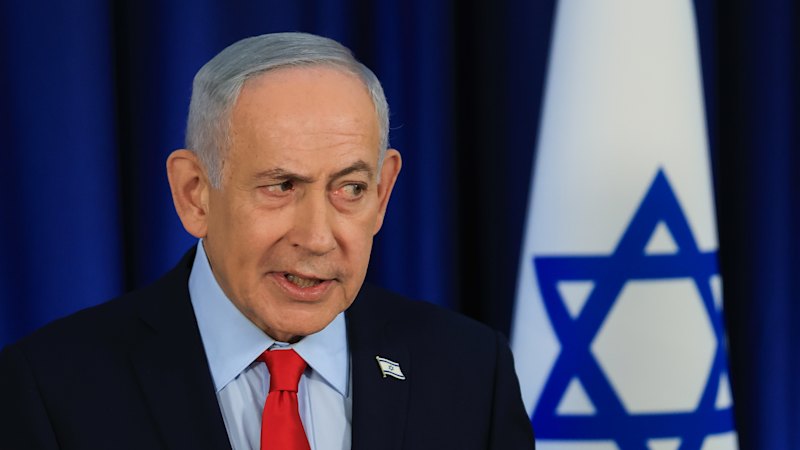
Diplomatic language usually stays masked behind polite phrases and careful phrasing. Benjamin Netanyahu shattered that thin veil recently when he explicitly labeled Qatar a hostile state. It is a bold, disruptive declaration that shakes up regional alignments in the Middle East. Doha didn't stay quiet. Qatari officials fired back immediately, calling the remark a transparent smear campaign designed for domestic political survival.
When a leader of a nation openly brands a crucial mediator as an enemy, international relations take a sharp turn. You have to look past the immediate outrage to understand why this matters right now.
Breaking Down the Diplomatic Fallout
Why would an Israeli prime minister turn on a nation that has historically served as a central channel for negotiations and hostage talks? Simple answer: domestic political pressure. Netanyahu faces intense scrutiny at home. Pointing fingers outward remains a classic political playbook move.
Doha's response through key diplomatic communications directors was fierce and direct. They didn't mince words. They highlighted that Netanyahu’s statements ignore years of coordinated mediation efforts that many global stakeholders actually welcomed and utilized.
- Qatar rejected the hostile labeling entirely.
- Officials labeled the remarks a deliberate distraction tactic.
- International observers watched regional stability wobble further.
The Cost of Burning Bridges
Mediation requires trust. When you publicly attack the people sitting at the neutral table, you destroy the infrastructure of future negotiations. Qatar has spent decades positioning itself as an indispensable diplomatic hub. They hosted talks involving the US, regional actors, and various factions.
Calling them a hostile state blows up that positioning. Or at least, it attempts to. Honestly, most regional experts know that backchannel communication rarely stops just because a politician makes a loud speech on television. Yet, the public posture changes the game completely.
"When political survival dictates foreign policy, diplomacy becomes the first casualty."
What Most People Miss About Regional Mediators
People often assume neutral parties are pure altruists. They aren't. Qatar plays a high-stakes chess match. By acting as the go-between for groups that refuse to speak directly to one another, Doha gains outsized global influence.
Israel has long utilized this arrangement when it suited strategic needs. Turning around and labeling the facilitator a hostile entity creates a dangerous paradox. If Qatar is truly an enemy state, any past or future reliance on their mediation gets delegitimized. That makes future ceasefires or hostage agreements exponentially harder to broker.
Looking Ahead at the New Normal
The rhetoric coming out of Jerusalem and Doha signals a bleak phase for upcoming diplomatic breakthroughs. Leaders aren't trying to find middle ground anymore. They are drawing permanent lines in the sand.
Watch how international allies react. The United States and European nations rely heavily on Qatari infrastructure for regional diplomatic missions. They cannot simply ignore Netanyahu's rhetoric, nor can they dismiss Qatar's swift retaliation.
Stop expecting quick resolutions to this feud. The diplomatic damage is deep, and the political incentives for reconciliation simply do not exist today.
Qatar responds to Netanyahu's 'hostile state' remark
This video is relevant because it captures the official Qatari response to Benjamin Netanyahu's hostile state remarks and highlights the escalating diplomatic tensions.
http://googleusercontent.com/youtube_content/1