A commercial flight plunges more than 14,000 feet in under 30 seconds. A captain is stabbed inside a locked cockpit. Passengers fight for their lives at 35,000 feet over Saudi Arabia. When a Flydubai flight from Dubai to Tel Aviv erupted into sudden chaos, the aviation world froze. Almost immediately, political leaders rushed to microphones with definitive narratives. Israeli Prime Minister Benjamin Netanyahu claimed the Omani co-pilot had undergone radical Islamist indoctrination and acted as a lone-wolf terrorist with clear suicidal intentions.
Yet, looking past political soundbites reveals a much messier, more complicated aviation security crisis. Intelligence agencies are still chasing shadows, regional authorities are disputing sharing protocols, and the aviation sector is left scrambling to answer a terrifying question. How did a pilot manage to weaponize the flight deck against his own crew?
Let's break down what actually happened in the skies, what official investigations are uncovering, and why political finger-pointing misses the real systemic vulnerabilities in modern cockpit security.
The 30-Second Plunge That Shocked the Middle East
The timeline of the incident reads like a psychological thriller. The Flydubai aircraft was cruising over Saudi airspace with more than 170 passengers on board. Without warning, physical violence broke out inside the cockpit. The co-pilot allegedly attacked the captain, inflicting stab wounds, before attempting to pitch the aircraft down into a violent, rapid descent.
Flight data from Flightradar24 captured the horrifying trajectory. The plane dropped over 14,000 feet in half a minute. That kind of rapid descent creates near-weightless conditions inside the cabin, throwing unsecured passengers and crew against overhead bins.
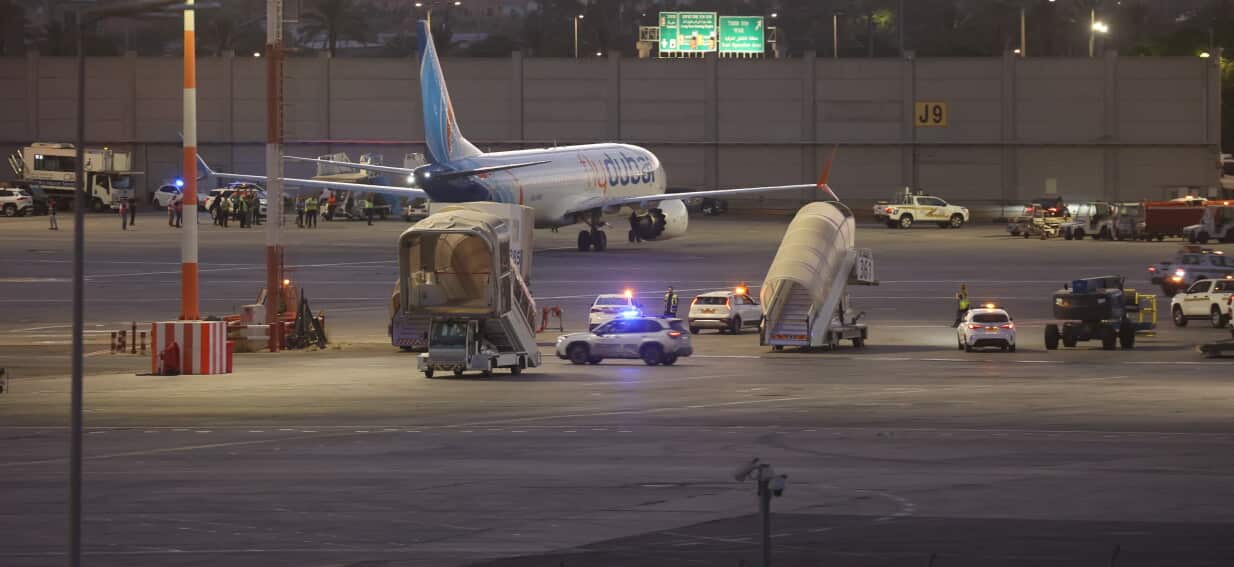
Disaster was averted only because the wounded captain managed to unlock the cockpit door from the inside. Alert passengers and a reserve crew member rushed forward, overpowering the attacker before he could complete the descent into terrain. The plane diverted safely to Tabuk airport in Saudi Arabia, saving dozens of lives.
The Politics of Radicalisation Claims
Netanyahu was quick to label the co-pilot's actions as the direct result of radical Islamist indoctrination. Speaking to international media, the Israeli Prime Minister pointed to the Omani national's personal background as the smoking gun, suggesting a clear trajectory toward suicide terrorism.
However, intelligence experts urge caution before accepting political declarations as established fact. Israeli security officials admitted off the record that initial assessments point to a lone actor, but crucial pieces of the puzzle remain missing. For one, Israeli intelligence agencies like Mossad and Shin Bet have complained about a lack of comprehensive data sharing from Saudi authorities, who control the primary jurisdiction of the active investigation.
Furthermore, Omani authorities have remained largely silent, and the United Arab Emirates has initiated its own thorough probe to determine whether the attack involved prior planning, external direction, or pure psychological collapse. Declaring a definitive motive while cross-border investigations are still in their infancy is more about political posturing than forensic accuracy.
The Persistent Blind Spot in Cockpit Security
Ever since the tragic events of September 11, 2001, global aviation security has focused almost exclusively on keeping external threats out of the cockpit. Heavy armored doors, biometric locks, and strict visitor protocols became the gold standard for commercial airlines worldwide.
The Flydubai incident exposes the catastrophic flaw in this defensive architecture. What happens when the threat is already inside the flight deck?
Airlines rely heavily on psychological screenings during the hiring process, but psychological decay, sudden radicalisation, or acute mental health crises are notoriously difficult to predict through standard corporate questionnaires. When a pilot or co-pilot decides to turn rogue, the physical barrier designed to protect passengers suddenly becomes a prison cell blocking immediate rescue.
While some carriers mandate a strict two-person rule in the cockpit at all times—meaning if one pilot steps out to use the restroom, a flight attendant must enter—enforcement and adoption vary wildly across international airlines and regional jurisdictions.
Where Commercial Aviation Goes From Here
Aviation regulators across the globe are facing immense pressure to overhaul cockpit protocols in the wake of the Flydubai attack. Relying on the bravery of injured captains and passengers to subdue a rogue co-pilot is not a security strategy.
Airlines must rethink crew monitoring systems, enhance psychological support frameworks, and reevaluate how cockpit access is managed during high-stress regional flights. Ignoring the root causes of insider threats while politicians debate ideological labels leaves every traveler vulnerable.
Check your airline's safety policies before your next flight, stay informed on international aviation standards, and demand better transparency from regulatory bodies.