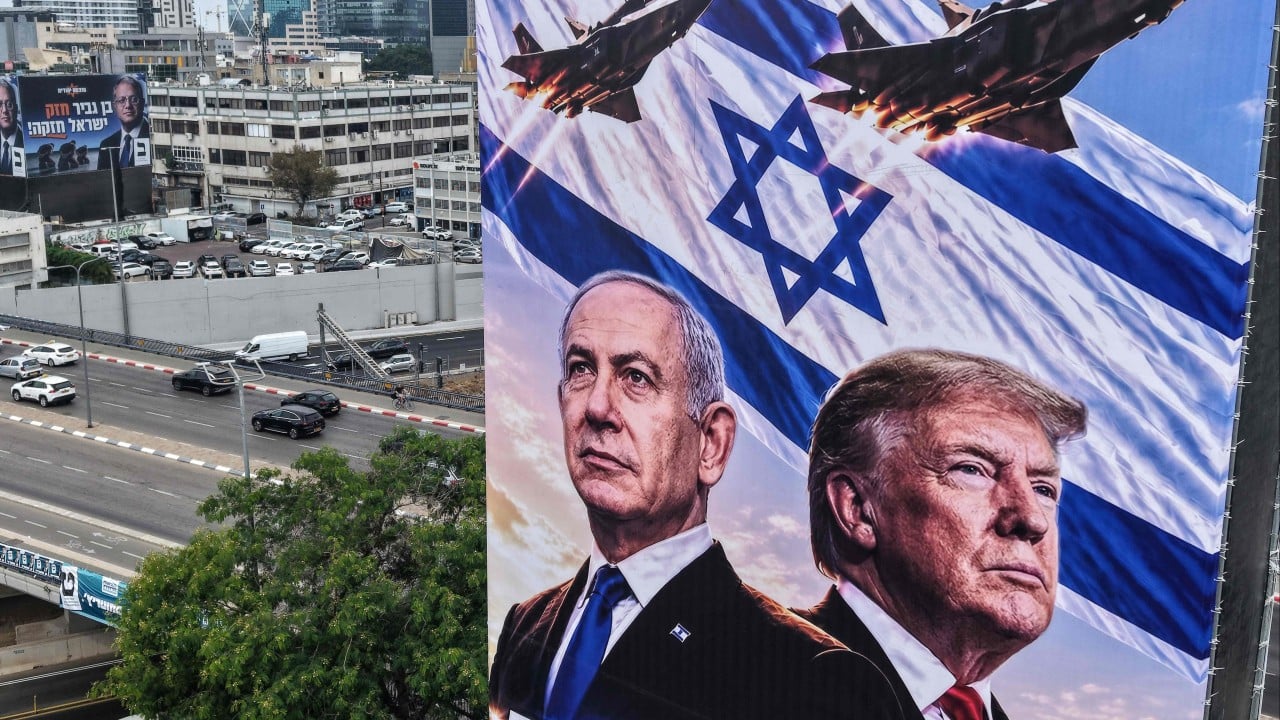
Foreign policy rarely pauses for domestic ballots, but the timing of electoral calendars dictates the rhythm of modern warfare. Israeli Prime Minister Benjamin Netanyahu has reportedly kept heavy pressure on US President Donald Trump to clear the path for a renewed military campaign against Iran immediately following the US midterm elections. It is a high-stakes geopolitical game. Netanyahu wants to permanently alter the balance of power in the Middle East, while Washington weighs the heavy cost of fresh military entanglement against diplomatic alternatives.
The Pressure Behind Closed Doors
Intelligence and diplomatic sources note that the push from Jerusalem is driven by a narrow window of opportunity. Netanyahu's political survival depends heavily on maintaining a hardline security posture. Following previous exchanges of fire, Israeli leadership argues that Tehran's fractured economic and military infrastructure leaves it vulnerable to a crippling follow-up blow.
By pushing for action after the midterms, Netanyahu hopes to sidestep immediate domestic US electoral sensitivities that could tie Washington's hands. US officials have indicated that while Trump remains open to using decisive force if negotiations collapse, he has resisted being rushed into an active conflict timeline dictated entirely by foreign capitals.
The Diplomatic Track and Regional Anxiety
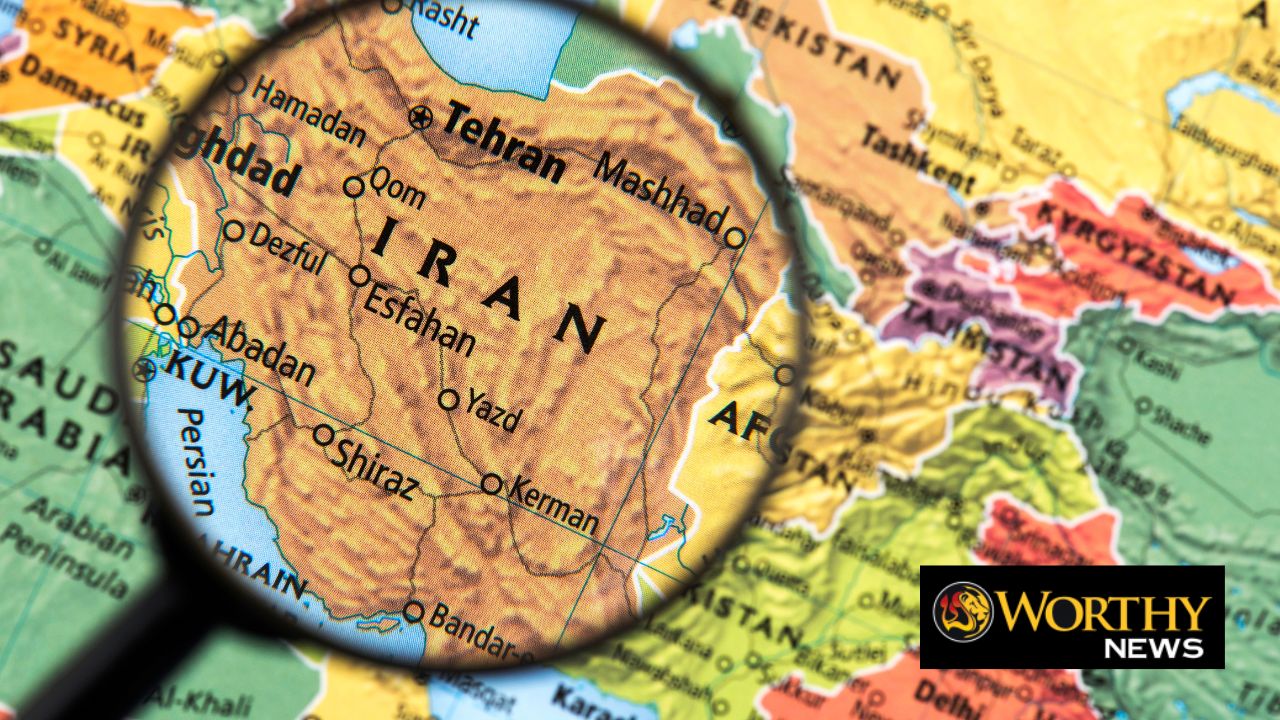
While Israeli strategists look toward military options, regional mediators are working overtime to prevent another regional conflagration. Gulf states like Qatar have acted as conduits for frantic back-channel talks, attempting to forge an off-ramp. The proposed framework involves Iran halting its disruptions in critical shipping lanes like the Strait of Hormuz in exchange for targeted sanctions relief and the unfreezing of assets.
Yet, the gap between Washington and Tehran remains vast. The White House insists on deep-seated nuclear concessions before any meaningful economic relief is granted. Meanwhile, Iranian hardliners continue to posture, claiming that any renewed military strike by the US or Israel will trigger a response without geographic limitations.
What Comes Next in the Gulf
The standoff has put neighboring Arab nations on high alert. Intelligence warnings distributed across the Persian Gulf suggest that Washington and Israel are retaining active operational plans for a short, intense campaign should diplomacy fail. Secretary of State Marco Rubio has maintained that Trump prefers a diplomatic solution while explicitly keeping military pressure on the table.
Ultimately, the coming weeks will reveal whether back-channel diplomacy can defuse the crisis or if Netanyahu's persistent lobbying will drag the region into another cycle of escalation. The margins for error are razor-thin, and the decisions made in Washington in the wake of the midterms will echo across global markets and security alliances for years.
Trump Blocks Israel Attack on Iran? Netanyahu's Plan Raises Stakes Ahead Of US Midterm Elections
This video provides an in-depth look at how Benjamin Netanyahu's strategic push for renewed military action against Iran has escalated tensions right as the United States navigates the political landscape of the midterm elections.