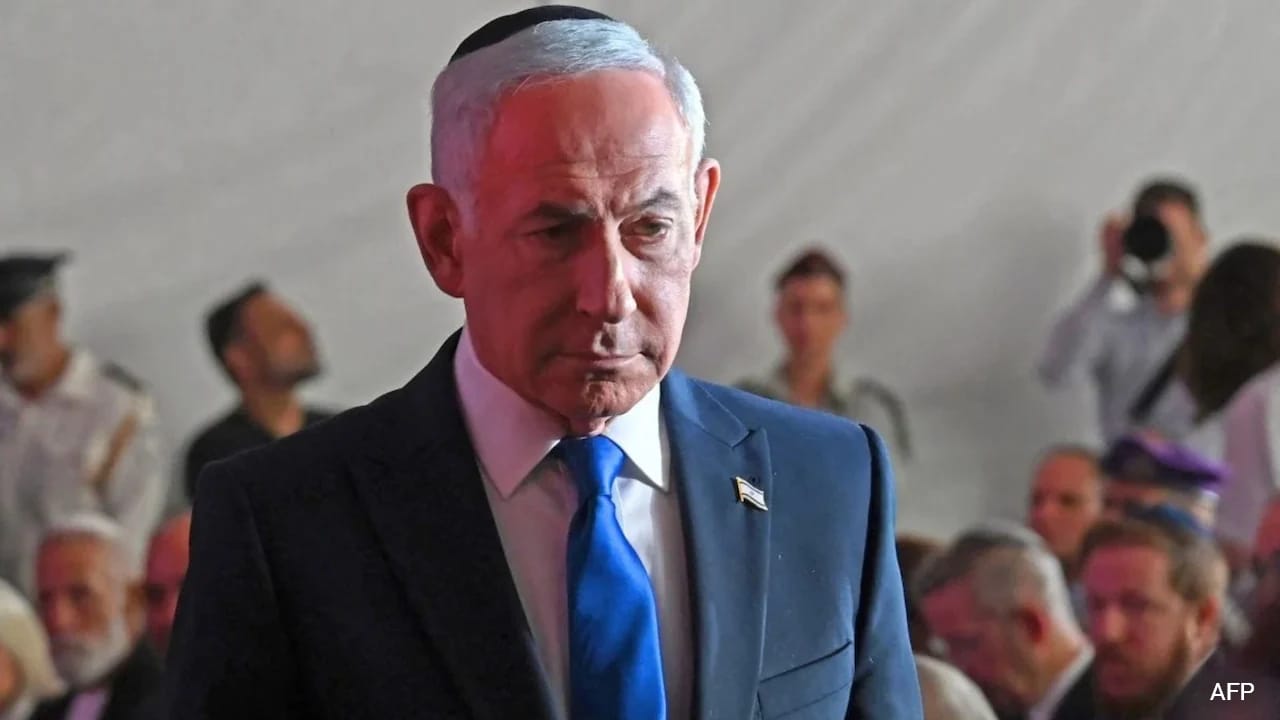
Three years after the horrific morning of October 7, 2023, the rhetoric in Jerusalem hasn't softened. Prime Minister Benjamin Netanyahu stood at the Mount Herzl military cemetery on a somber national day of remembrance and delivered a line that defines the entire trajectory of the current conflict. There will be no Hamas rule in Gaza. Period.
If you've been trying to figure out what Israel actually plans to do once the smoke clears, this speech cuts through the noise. But the gap between a vow and a workable reality is enormous. Let's look at what's actually happening on the ground, the regional chess board involving Hezbollah and Iran, and why the question of post-war governance remains a massive, unresolved hazard.
The Grim Accounting of a Multi-Front Conflict
To understand Netanyahu's uncompromising stance, you have to look at the numbers that haunt Israeli society. The Hamas-led assault three years ago killed 1,221 people—the deadliest single day in the country's modern history. The attackers dragged 251 hostages into the Gaza Strip, with dozens already confirmed dead when captured.
The military response has reshaped the entire Middle East. Gaza's health ministry reports that more than 74,200 people have died in the subsequent offensive. Even after a ceasefire went into effect last October, localized operations and strikes have killed over 1,440 people in the strip.
Israel isn't fighting a single campaign anymore. It's managing a brutal, multi-front war. While Gaza remains the primary theater, the military has traded heavy blows with Iran-backed Hezbollah in Lebanon. Netanyahu's message on Monday made it clear that strikes against Hezbollah will continue until a stable security buffer is established, framing it as a way to eventually reach ordinary Lebanese citizens who want peace rather than proxy warfare.
The Tehran Factor and Regional Realities
You can't talk about Gaza without talking about Iran. Following the joint US-Israeli strikes on February 28 that triggered a broader regional escalation, the calculus in Tehran has shifted dramatically. Netanyahu didn't mince words about the clerical regime, calling it weaker than at any point since its founding.
The strategy is straightforward: cut the head off the snake by degrading Iran's network of regional proxies while systematically dismantling Hamas's administrative capabilities in Gaza. Critics call it endless escalation. Supporters call it national survival. But nobody can argue that it's a short-term operation.
The Unsolved Puzzle of Post-War Governance
Here is the real problem nobody has answered cleanly. If Hamas doesn't rule Gaza, who does?
Plans for post-war administration have bounced around diplomatic circles for years, but concrete execution is lagging far behind military objectives. Leaving a power vacuum in a devastated strip of land is a recipe for an immediate insurgency. Handing control over to an untested international coalition or rebuilding a fractured Palestinian Authority creates massive political friction inside Israel's own governing coalition.
Netanyahu insists the missions will be completed. He vows to hunt down anyone tied to the original attack or anyone holding the remaining hostages. Yet, military victory and political administration are two entirely different games. You can destroy a governing authority with artillery and infantry, but you can't shoot a stable civil administration into existence.
As flags fly at half-mast and families mourn the dead from three years ago, the conflict enters a tense new phase. The stated goals are absolute. The path to get there remains dangerously unclear.