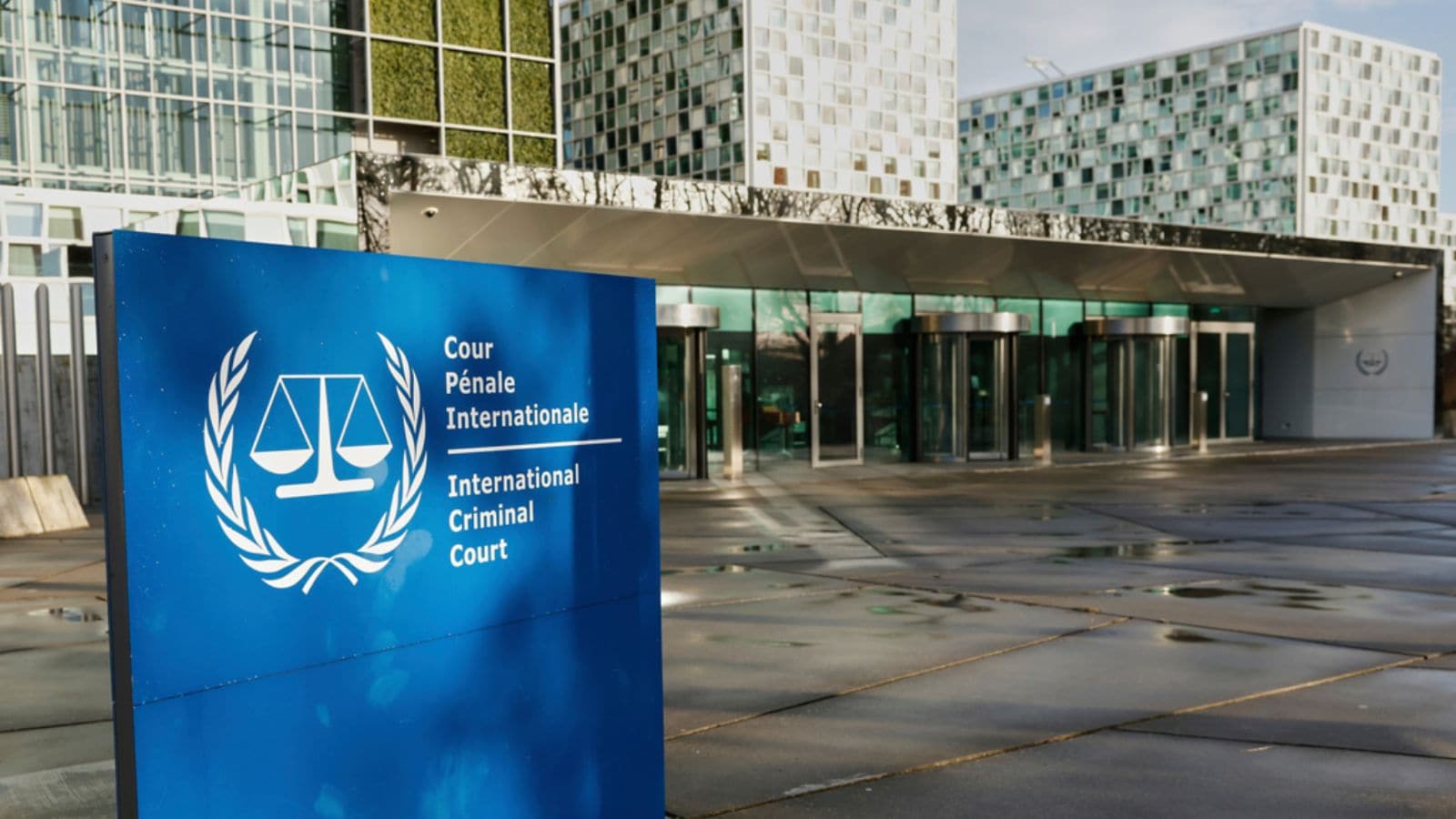
The Dutch government is staring down a nightmare scenario in The Hague. Washington is warning that aggressive financial restrictions against the International Criminal Court are coming down the pipeline, and the Netherlands—as the court's host nation—is caught squarely in the crossfire.
If you think international law is just dry parchment and polite courtroom debates, watch what happens when a superpower decides to dismantle a global tribunal. The White House and Secretary of State Marco Rubio aren't hiding their intentions. They're waging a campaign to neutralize the tribunal over its investigations into U.S. and Israeli officials.
For the Netherlands, this isn't just about geopolitics. It's an immediate logistical crisis.
What These Sanctions Actually Mean for The Hague
We are talking about restrictions normally reserved for drug cartels, terrorists, and rogue dictatorships. When the U.S. slaps financial penalties and visa bans on an international judicial body, the everyday machinery of justice grinds to a halt.
We saw a preview of this when former court personnel found their personal bank accounts frozen and lost access to basic email and software services tied to American tech giants. Now, the threat scales up to the institution itself.
The court could lose access to standard IT infrastructure, payment networks, and vital operational software. You can't run a global war crimes tribunal on pen and paper alone.
Dutch officials have been scrambling behind closed doors. They're trying to figure out how to keep staff paid, protect vulnerable witnesses who rely on secure communications, and maintain physical security at the court's detention facilities without triggering secondary penalties from Washington.
Why Washington is Going After the Court
The hostility didn't materialize overnight. The United States has long rejected the jurisdiction of the International Criminal Court, pointing out that Washington never signed the Rome Statute. But tensions boiled over when the tribunal issued arrest warrants for top Israeli leaders over actions in Gaza.
Secretary of State Marco Rubio framed the U.S. stance as a sweeping effort to dismantle a threat posed to American sovereignty and allied security. Washington has already targeted individual judges and prosecutors, and the push is expanding to cripple the entire organization. U.S. officials have even nudged the Dutch to pull out of the treaty altogether.
Of course, the Dutch government isn't about to abandon international law. The Netherlands actively champions multilateral frameworks and treaty obligations. Walking away would destroy decades of national foreign policy identity.
The Scrambled Defense Strategy
The court hasn't been sitting idle. Months ago, anticipating this exact escalation, tribunal administrators quietly migrated their operations off American tech products, switching to European software alternatives. They replaced insurance providers and financial partners with firms operating completely outside the U.S. footprint.
Even with those precautions, the risks remain severe. Dutch and court diplomats are pushing for a grace period—ideally six months—to completely sever any remaining operational ties to U.S. companies before enforcement drops the hammer.
Meanwhile, European Union safety nets have glaring limitations. The EU blocking statute protects European citizens and staff from complying with extraterritorial U.S. rules, but its legal shield doesn't cleanly cover an independent international organization like the ICC.
If you are watching global governance right now, you are watching a collision between absolute state power and international accountability. The coming weeks will test whether a global court can survive when a superpower decides to starve it of the modern digital and financial systems it needs to function.