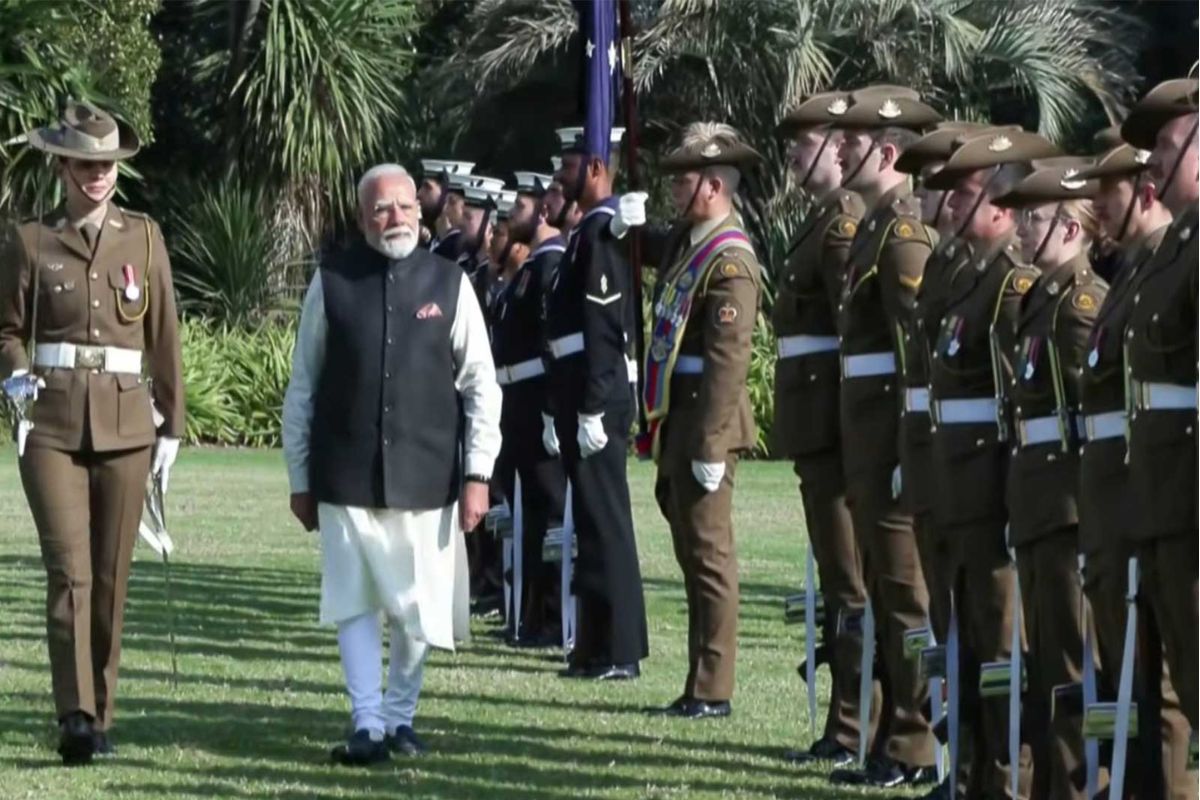
Don't let the dry bureaucratic headlines fool you. When Indian Prime Minister Narendra Modi and Australian Prime Minister Anthony Albanese shook hands in Melbourne today, they didn't just sign another boring trade agreement. They unlocked a geopolitical bottleneck that's been jammed for over a decade.
By finalizing the administrative arrangements for long-term uranium exports, Australia is finally turning on the taps to supply India's nuclear reactors.
If you've been tracking Indo-Pacific politics, you know this is a massive shift. Australia sits on roughly 28% of the world's known uranium reserves. India has a massive, power-hungry population of 1.4 billion people and a desperate need for clean energy. It seems like a no-brainer, right? Yet, despite a framework agreement signed way back in 2014, actual shipments have been practically non-existent due to Canberra's intense anxiety over nuclear non-proliferation.
That stalemate is officially over. Here is what is actually happening behind the scenes, why both leaders finally moved, and what it means for global energy markets.
The Real Motives Behind the Deal
The official press releases are full of talk about "clean energy objectives" and "peaceful civilian use." Let's look at the real drivers.
India has set a massive target of hitting 100 gigawatts of nuclear energy capacity by 2047. Right now, its nuclear capacity is just a fraction of that, sitting under 8 gigawatts. To scale up, India needs a massive, uninterrupted supply of fuel. Relying heavily on volatile supply chains isn't an option when trying to power a rapidly growing economy. Securing Australia as a steady supplier gives New Delhi the long-term energy security it needs to confidently construct its next generation of reactors.
For Australia, the move is less about energy and more about trade diversification. Canberra learned a harsh lesson when Beijing slapped sweeping trade sanctions on Australian goods a few years ago. Relying too heavily on a single economic partner is dangerous. India represents the ultimate alternative market. By opening up uranium exports, Australia gets a reliable, long-term buyer in the संसाधनों sector, while simultaneously building deep strategic goodwill with New Delhi.
Beyond the Uranium Core
If you think this trip was only about nuclear fuel, you missed the rest of the joint declarations firmed up in Melbourne. The bilateral relationship has officially evolved past basic trade into a deep security partnership.
The New Defense Declaration
Modi and Albanese adopted a fresh Joint Declaration on Defence and Security Cooperation. This isn't just standard diplomatic fluff. The two countries are heavily stepping up military engagement, maritime tracking, and defense industrial collaboration. With growing geostrategic uncertainty across the Indo-Pacific, New Delhi and Canberra are aligning their militaries closer than ever before.
Space Tracking on Cocos Islands
In a fascinating twist, the two nations confirmed plans to set up a temporary space tracking terminal on Australia's remote Cocos Keeling Islands in the Indian Ocean. This terminal will directly support India’s Gaganyaan human spaceflight projects. It proves how deeply the strategic trust has grown; you don't let just any country set up tracking tech on your strategic island outposts.
Massive Financial Backing
The corporate world is already moving to back this political alignment. Australia's largest pension fund, AustralianSuper, announced it is dumping an additional 500 million Australian dollars ($347 million) into India's National Investment and Infrastructure Fund. Capital follows stability, and Australian big money is betting heavily on Indian growth.
Navigating the Critics and Safeguards
Naturally, a deal involving radioactive material isn't going to please everyone. Environmental groups and anti-nuclear campaigners in Australia, like the Australian Conservation Foundation, have voiced loud concerns over radioactive waste and the risks of proliferation. India is famously not a signatory to the Nuclear Non-Proliferation Treaty (NPT), which has always been the core reason behind Australia's hesitation.
To quiet the critics, the finalized deal explicitly places all exports under strict International Atomic Energy Agency (IAEA) safeguards. This ensures that every ounce of Australian uranium shipped to India will be tracked and used exclusively for civilian power generation, not weapons development.
Honestly, the risk of diversion is incredibly low. India has kept its civilian and military nuclear programs strictly segregated for years precisely to facilitate these kinds of global partnerships.
What Happens Next
The diplomatic handshake is done, but the real work starts now. If you are watching this space, here are the immediate developments to track.
- Finalizing the CECA: Expect a rapid acceleration in negotiations for the Comprehensive Economic Cooperation Agreement (CECA) to expand trade far beyond energy.
- The Critical Minerals Corridor: Keep an eye out for joint infrastructure investments focused on lithium and cobalt supplies, which India needs for its massive electric vehicle push.
- Commercial Supply Contracts: Watch for major Australian mining companies to announce direct commercial supply contracts with Indian state-run utilities over the coming months.
The Melbourne summit proved that strategic necessity will eventually break any bureaucratic gridlock. Australia needed to diversify, India needed fuel, and both needed a stronger alliance in a volatile region. They got exactly what they wanted.