Trade friction doesn't care about election cycles, and nobody understands that better right now than the businesses anchored along Canada’s East Coast. When the political dust settled on the American midterm elections, a wave of Democratic wins swept through Congress, instantly sending a jolt of cautious optimism straight to Fredericton and Saint John. Everyone wants to know if a shifted Washington landscape will finally lower the economic temperature on punishing cross-border tariffs.
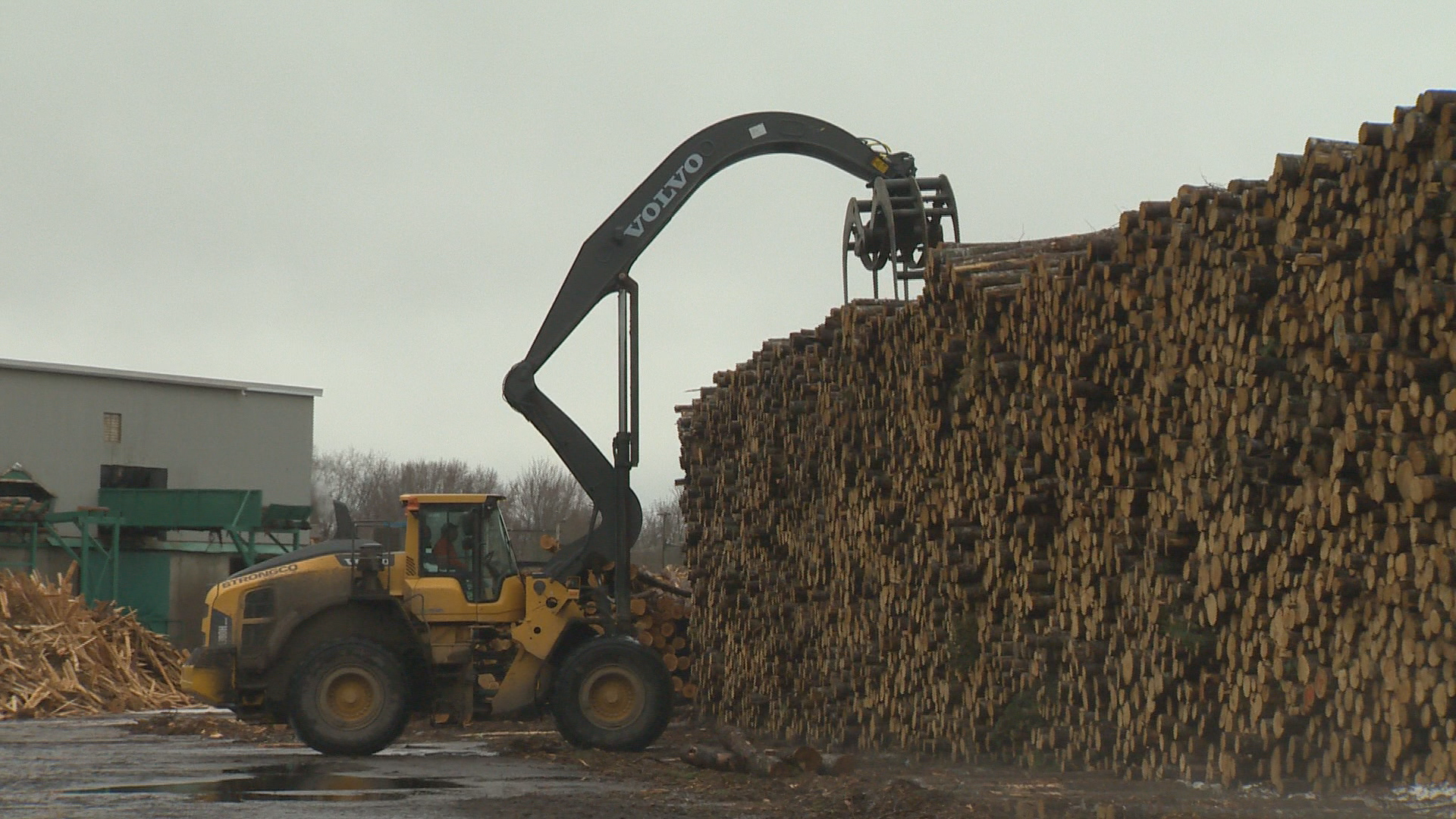
Don't pop the champagne quite yet. While a Democratic-controlled legislature changes the balance of power on Capitol Hill, expecting an overnight fix for New Brunswick exporters is a dangerous gamble. Local economies rely heavily on the American market, moving billions in electricity, seafood, plastics, and forest products straight across the border into states like Maine. When Washington sneezes, Atlantic Canada catches a cold. For another look, see: this related article.
The Border State Pressure Cooker
Look closely at what just happened in neighbouring Maine. The trade war with Canada wasn't some abstract policy debate debated by pundits on television—it was a brutal, ballot-box issue. Voters in border communities felt the squeeze of escalating duties and supply chain disruptions firsthand. Local industries depend on seamless inputs moving back and forth.
When candidates campaign on the harsh realities of broad protectionist measures, voters listen. The resulting shift in legislative power shows deep public fatigue over combative trade rhetoric. Even so, translating a hostile election narrative into actionable policy changes takes months of grinding diplomacy. Executive branch authorities on trade enforcement don't just surrender their playbook because of a midterm setback. Related analysis on this matter has been shared by Forbes.
Why Economists Are Urging Caution
University of New Brunswick economist Herb Emery pointed out the core dilemma facing the province right now. Better trade conditions are always welcome when your entire economy hinges on external exports. But local businesses are already bleeding from a compounding mess of domestic pressures. Skyrocketing power costs, climbing operational taxes, and stubborn inflation are squeezing margins from the inside out.
Waiting around for Washington to rescue local balance sheets is a bad strategy. Even if diplomatic channels open up under a reshuffled Congress, structural relief moves at a glacial pace. Trade agreements require tedious legal rewrites, bipartisan compromises, and presidential sign-offs. Local manufacturers cannot afford to pause their operations or delay strategic pivots on the vague hope of a political rescue.
What This Means for Exporters Moving Forward
If you run a business in Atlantic Canada, you need to plan for persistence rather than change. Treat any future tariff rollbacks as a pleasant surprise rather than an expected baseline. Diversifying your supply chains away from total U.S. reliance remains the single smartest insurance policy you can buy. Look toward European and domestic markets to absorb potential shocks.
Prime Minister Mark Carney's administration and regional negotiators like Dominic LeBlanc face a monumental task in Washington. They have to convince an entrenched executive branch that easing border restrictions benefits workers on both sides of the line. Watch the lame-duck legislative sessions closely for any surprise compromises before new lawmakers take their seats. Until ink dries on a concrete bilateral exemption, protect your cash flow and assume the current trade climate is here to stay.