
When a deadly pathogen crosses an international border, panic usually follows. Kenya just confirmed its first imported case of Ebola, tracing the infection directly back to the sprawling crisis in the Democratic Republic of Congo. The patient arrived in Nairobi via Uganda, fell severely ill, and tragically died at Nairobi Hospital.
Let's look at why this specific event worries epidemiologists. This isn't just another routine health headline. The current crisis in Congo is moving faster than any previous recorded outbreak of the virus. Health authorities have already placed dozens of known contacts into strict isolation, racing against time to prevent community transmission in one of East Africa's biggest travel hubs. If you liked this piece, you might want to check out: this related article.
The Anatomy of a Cross Border Infection
Public health logistics are messy. Viruses don't care about passport checks or customs declarations. The infected individual traveled from Congo through Uganda before landing in Kenya on October 3, 2026. Symptoms of hemorrhagic fever set in shortly after arrival, leading to hospitalization and eventual death.
When a traveler falls ill mid-journey, contact tracing turns into a massive nightmare. Kenyan health officials scrambled to trace twenty-eight direct contacts, including family members and healthcare workers who treated the patient before isolation protocols locked down the ward. Another twenty-three passengers who shared the flight from Uganda are currently being tracked down. For another angle on this development, check out the recent coverage from Mayo Clinic.
Time matters here. The incubation period for the virus gives it room to spread silently before symptoms appear. Authorities are keeping everyone identified in isolation for the standard twenty-one-day window. Meanwhile, safe burial protocols mandate that the victim be laid to rest within twenty-four hours to minimize any residual exposure risks.
Why This Outbreak is Different
We have seen Ebola scares before, but the numbers coming out of central Africa right now are staggering. Congo's ongoing crisis has already surpassed four thousand deaths, fueled by the rare Bundibugyo strain.
What makes this strain particularly terrifying is the lack of approved commercial vaccines or specific antiviral treatments. Clinical trials are scrambling for answers in Congo's Ituri province, but science is running a frantic race against an accelerating infection rate. The World Health Organization has warned that this is officially the fastest-growing outbreak in history.
Kenya is now the fourth country to report a confirmed case during this wave, following Congo, Uganda, and a solitary imported case in France. Before this incident in Nairobi, active containment outside Congo seemed to be holding ground after Uganda declared its own local flare-up over in late August. That fragile illusion of containment just shattered.
What Happens Next on the Ground
Border screening points are tightening up immediately. If you are flying through East Africa right now, expect rigorous temperature checks, health declaration forms, and heightened scrutiny at immigration desks. Airports in Nairobi act as critical aviation gateways for the entire continent; a slip-up here could trigger a regional catastrophe.
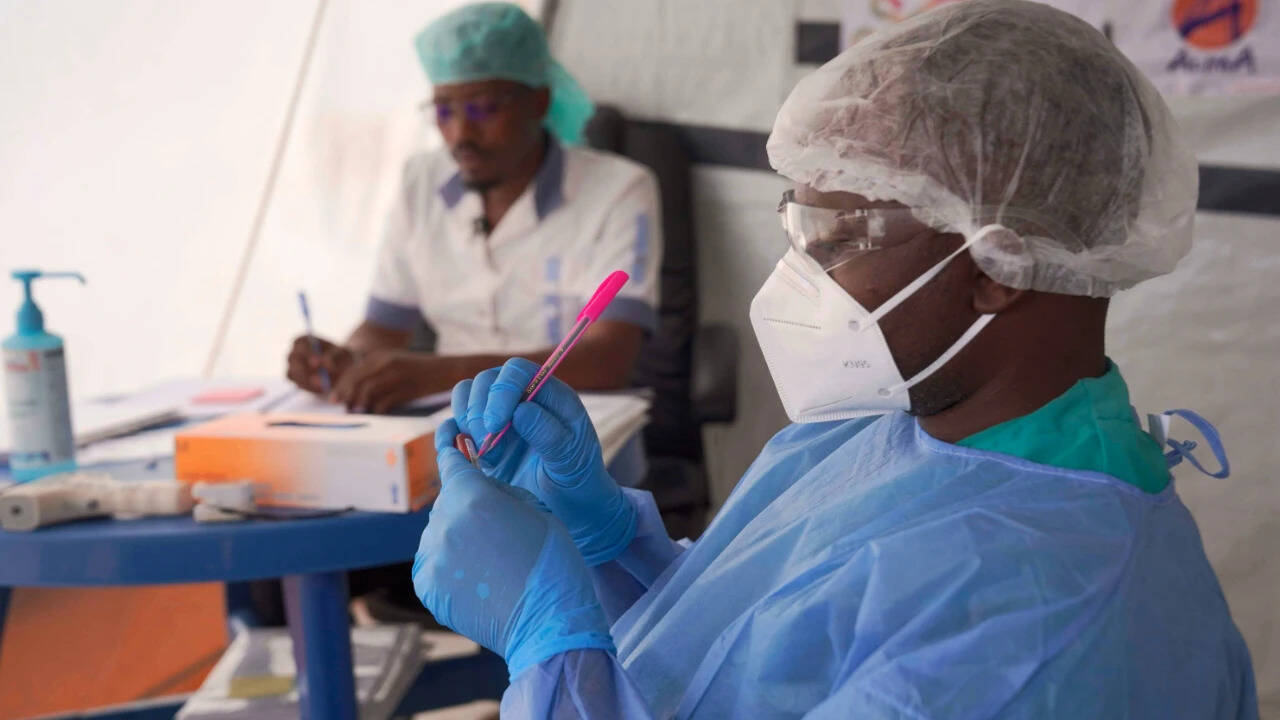
Healthcare facilities across the region are reviewing their triage protocols. Hospitals are drilling staff on proper personal protective equipment usage and immediate isolation procedures. Mistakes made during the early days of triage are what turn isolated cases into widespread epidemics.
Keep a close eye on official bulletins from health ministries rather than social media rumors. Public panic causes more disruption than the virus itself, but realistic caution saves lives. Follow local travel advisories, avoid unnecessary trips to high-risk zones, and report any unexplained fevers or hemorrhagic symptoms immediately if you've recently traveled through affected regions.


:max_bytes(150000):strip_icc()/GettyImages-157329538-9fc77790d89e4de3a6bf44db17963eb0.jpg)