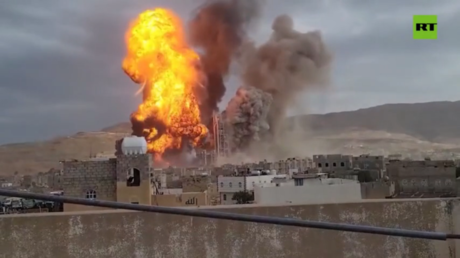
Flying over the Middle East just got a whole lot more complicated. If you've been tracking international aviation news, you know that safety notices don't appear out of thin air. The Federal Aviation Administration just dropped a clear advisory warning U.S. airlines to exercise extreme caution when operating in or over Saudi Arabia.
This isn't just routine paperwork. It follows a series of deadly missile strikes by Yemen's Houthi forces targeting Riyadh's King Khalid International Airport. When a major commercial hub takes direct hits, the entire global aviation ecosystem sits up and pays attention.
What Triggered the FAA Warning
The catalyst behind this urgent advisory involves recent escalations in the region. Over the weekend, strikes hit King Khalid International Airport in Riyadh. A Saturday attack on Terminal 3 tragically killed 13 people and wounded more than 300 others, turning a routine travel hub into an active conflict zone. A follow-up strike on Sunday claimed another life and injured additional personnel.
Surveillance footage showed structural damage, including a partially collapsed ceiling and shattered glass. In response, Riyadh's primary airport shut down temporarily, canceling hundreds of daily flights and disrupting schedules worldwide.
The FAA's Notice to Airmen, active through December 10, explicitly warns that ongoing military activities and navigation system interference pose direct safety-of-flight risks. These hazards don't just apply to landing and takeoff. They affect aircraft at all altitudes, including high-altitude overflights transiting Saudi airspace.
The Ripple Effects on U.S. Carriers
Most major U.S. commercial passenger airlines don't operate extensive nonstop routes directly into Saudi Arabia every single day, but the situation still hits close to home. Cargo carriers like FedEx operate dedicated freight routes connecting the region. Furthermore, passenger networks face operational shifts. For instance, Delta Air Lines has been preparing to launch direct service between Atlanta and Riyadh later this month, a route now facing heavy scrutiny and potential reconsideration as airlines weigh passenger safety against commercial expansion.
When the FAA issues these directives, operators of U.S.-registered aircraft must evaluate their flight paths, review insurance policies, and decide whether the risks outweigh the rewards. Even if an airline isn't landing in Riyadh, crossing regional airspace where GPS spoofing or unexpected projectile activity occurs creates unacceptable exposure.
Navigating Modern Airspace Risks
Modern aviation security relies on real-time intelligence sharing. Regulators look at everything from ground-to-air threats to electronic warfare that messes with cockpit instrumentation. Navigation system interference has become a silent hazard across several global conflict zones, confusing pilots and onboard computers alike.
If you're managing logistics or planning international travel in the coming weeks, expect tighter scheduling buffers, potential route detours, and lingering delays. Airlines are erring on the side of caution, and rightfully so. Keep a close eye on official airline updates and NOTAM boards if your travels or cargo shipments touch Middle Eastern corridors. Flexibility isn't just a perk right now. It's the only way to survive the trip.