Hong Kong just locked down an exclusive, five-year hosting agreement for Vinexpo Asia, shifting the premier wine and spirits trade exhibition from a bouncing biennial rotation into a permanent annual fixture through 2031. Bordeaux officials and local tourism heavyweights are celebrating, and honestly, they have good reason to. For an economy working overtime to cement its status as Asia’s capital for high-value conventions, this isn't just another trade show. It's a statement of intent.
If you've followed the shifting dynamics of regional trade over the past few years, you know cities across Asia have been fighting tooth and nail for major MICE (meetings, incentives, conventions, and exhibitions) events. This deal resets the board.
Breaking Down the Five-Year Vinexpo Monopoly
The Memorandum of Understanding signed by the Hong Kong Tourism Board and Vinexposium changes the rhythm entirely. Instead of sharing the event or waiting every two years, Hong Kong becomes the sole annual home for the exhibition starting in 2027.
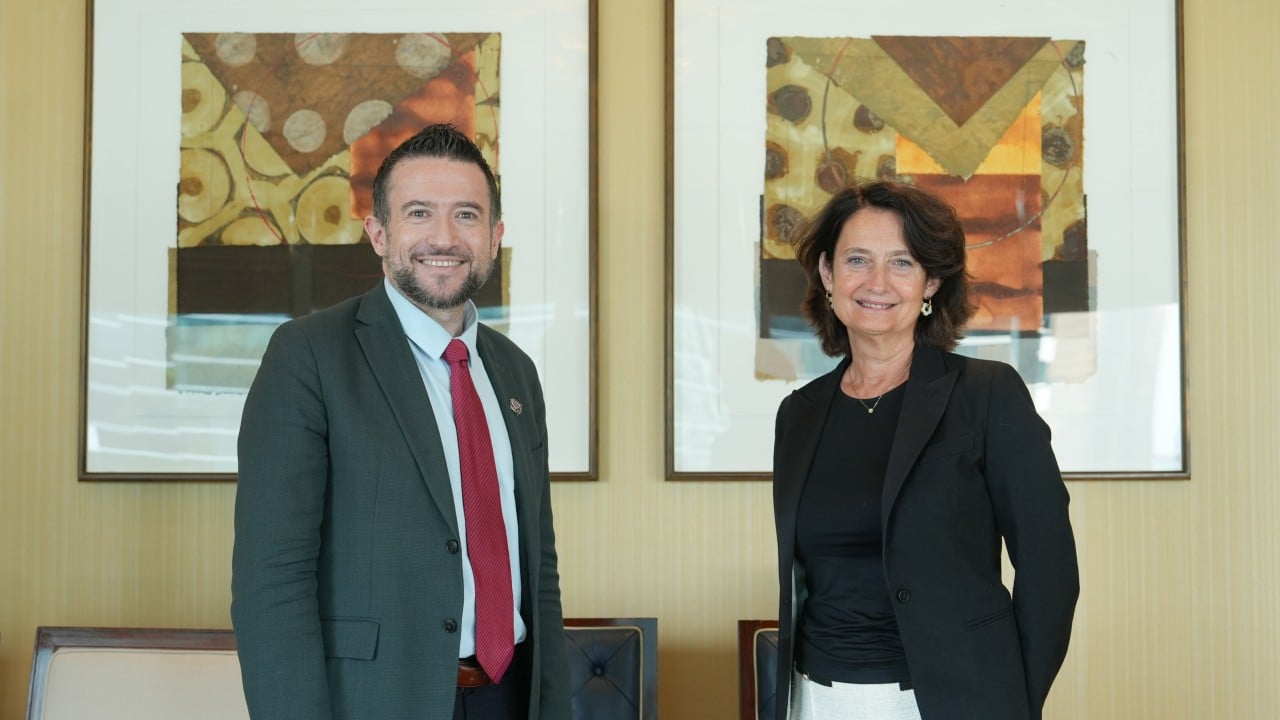
Deputy mayor Fabien Robert of Bordeaux didn't mince words about the partnership, pointing out that Hong Kong and Bordeaux share a deep historical connection and a long future. That connection runs deeper than polite diplomacy. Hong Kong abolished wine duties back in 2008, a single policy stroke that instantly transformed the city into Asia's premier auction and trading hub for fine wine.
Bordeaux producers rely heavily on Asian markets, and having a locked-in, predictable annual anchor in Hong Kong gives exporters the stability they've been craving.
What Changes on the Ground
Trade shows usually stay trapped inside exhibition halls, but this agreement aims to bleed out into the streets. Tourism authorities plan to scale the event into a broader citywide celebration.
Expect local restaurants, high-end bars, and retail districts to plug directly into the Vinexpo ecosystem. When you pull thousands of international wine producers, sommeliers, and high-spending buyers into town every single year rather than every alternate year, the economic multiplier hits hospitality, logistics, and dining all at once.
Local venues are already rethinking how they capture this recurring wave of business travelers. It’s no secret that Hong Kong’s retail and hospitality sectors needed a reliable high-yield injection. Regular annual scheduling fixes the boom-and-bust cycle that plagues convention-dependent economies.
The Broader Economic Chessboard
Why does this matter beyond the wine community? Because high-end trade events drive the luxury and business travel segments that spend multiples of what standard tourists drop.
Hong Kong has faced relentless questions about its economic trajectory. Securing long-term exclusives with global event organizers proves that international heavyweights still view the city's financial and trade infrastructure as unmatched in the region. When organizers commit to a half-decade monopoly, they're betting their commercial success on Hong Kong's legal certainty, streamlined logistics, and zero-tariff advantage for wine.
Looking Ahead to 2031
The transition begins in 2027, setting up a clear roadmap for the remainder of the decade. Competitors around Asia will undoubtedly try to counter with their own incentives, but locking down Vinexposium through 2031 gives Hong Kong a massive head start.
If local authorities successfully blend this trade powerhouse with citywide culinary festivals, the city will capture an even larger share of the region's luxury trade. The blueprint is set, the contracts are signed, and the global wine trade now has a permanent home in Asia.