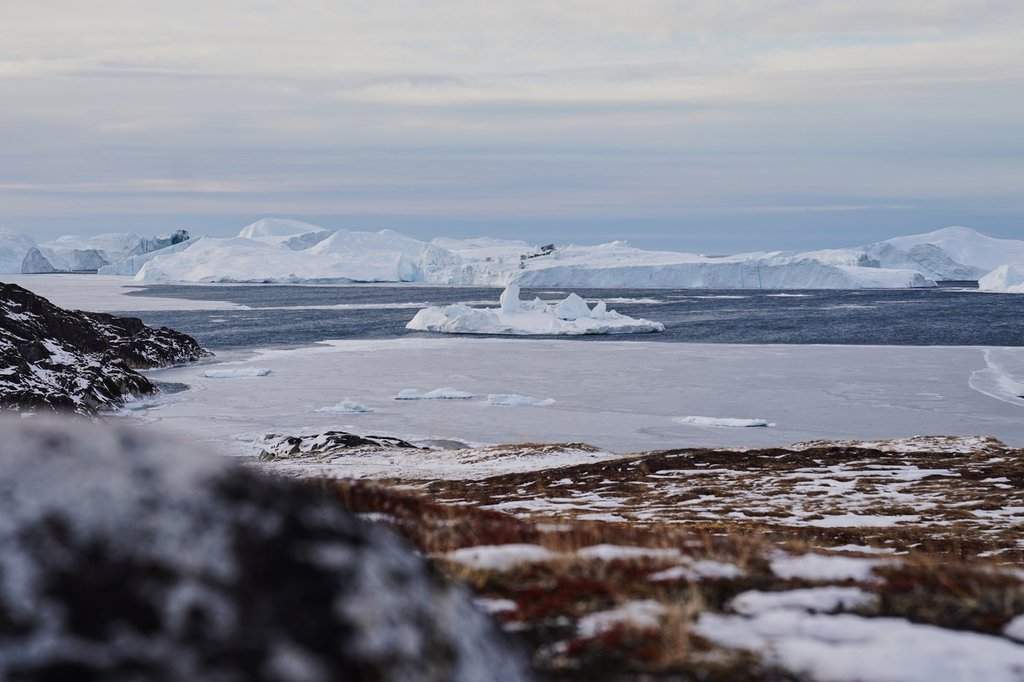
The Arctic is no longer just a frozen expanse of ice and scientific research stations. It's the newest chessboard for global military dominance, and Washington just made its move.
When U.S. President Donald Trump signed a fresh tripartite security agreement with Denmark and Greenland at the United Nations General Assembly in New York, headlines framed it as a peaceful resolution to months of diplomatic friction. But scratch beneath the surface of diplomatic pleasantries, and you'll find a massive shift in how the North Atlantic will be guarded for decades to come.
If you're wondering why this particular piece of paper matters when the U.S. already maintained a defense presence on the island for 75 years, you aren't looking closely at the strategic chess pieces. Let's break down what actually changed, why the pressure worked, and what this means for the roughly 56,000 residents calling the world's largest island home.
The Reality Behind the Pressure Campaign
For years, Washington's interest in Greenland was treated as a periodic geopolitical talking point rather than an urgent priority. That changed rapidly when the White House ramped up pressure on Copenhagen, openly floating the idea of acquiring the semi-autonomous territory to secure critical mineral supply chains and counter rival powers like China and Russia in the polar north.
Danish Prime Minister Mette Frederiksen initially pushed back hard, calling the notion unrealistic and warning that aggressive posturing threatened the core foundations of the NATO alliance. Yet, closed-door negotiations quietly intensified over months of back-and-forth diplomacy.
The resulting security pact threads a very narrow needle. It grants the United States broader authority to expand its military footprint and establish advanced installations on the island, while explicitly leaving sovereignty in Danish hands and protecting Greenland's constitutional path toward future independence.
What the Agreement Actually Changes on the Ground
Skeptics point out that the U.S. military never truly left Greenland, pointing to the long-standing history of facilities like Thule Air Base (now Pituffik Space Base). So, is this new deal just old wine in a new bottle?
Not quite. Several key upgrades separate this pact from the 1951 defense framework it amends and supplements:
- Expanded Base Access: The U.S. secures wider latitude to position personnel, surveillance assets, and tactical equipment across strategic points.
- Adversary Restrictions: The framework introduces stringent safeguards preventing rival nations from securing sensitive infrastructure investments or military footholds on Greenlandic soil.
- Future-Proofing Independence: Crucially, the text explicitly dictates that the security arrangement survives even if Greenland eventually votes to sever ties with Denmark and become a fully sovereign nation.
This means Washington locked in its long-term strategic insurance policy regardless of local political shifts in Nuuk or Copenhagen.
The Human Cost and Local Perspective
While defense analysts in Washington and Brussels dissect the tactical benefits, the mood in Greenland is considerably more complex. Living on an island with immense rare earth mineral reserves and critical geopolitical positioning means watching foreign capitals negotiate your future over your head.
Local leaders have made it clear that while cooperation is necessary, the heavy-handed rhetoric used during the standoff left deep scars. Residents remember the threats of forced annexation, and building mutual trust will take far longer than signing a document in New York. Furthermore, Greenlandic politicians insist that economic development and environmental protection must take center stage as foreign troops and contractors move in. Protecting pristine local ecosystems from heavy industrial or military expansion remains a non-negotiable priority for the local population.
What Comes Next for Arctic Security
The ink is dry, but the real work begins now. Both the Danish parliament and Greenland's internal legislature must clear the agreement before it reaches full enforcement. Expect fierce political debates in both parliaments as lawmakers scrutinize the exact limits of foreign authority on sovereign territory.
Watch for the Pentagon to break ground on logistical upgrades and enhanced radar monitoring networks across the northern polar sector over the coming months. The Arctic thaw is opening new shipping lanes, and superpowers are racing to control them. Washington just secured its anchor in the ice, but the diplomatic fallout with European allies proves that strategic dominance always comes with a price tag.
U.S. President Donald Trump Signs Greenland Security Deal With Denmark and Greenland
This video provides footage and an overview of the high-level diplomatic signing ceremony at the United Nations General Assembly where the pact was finalized.