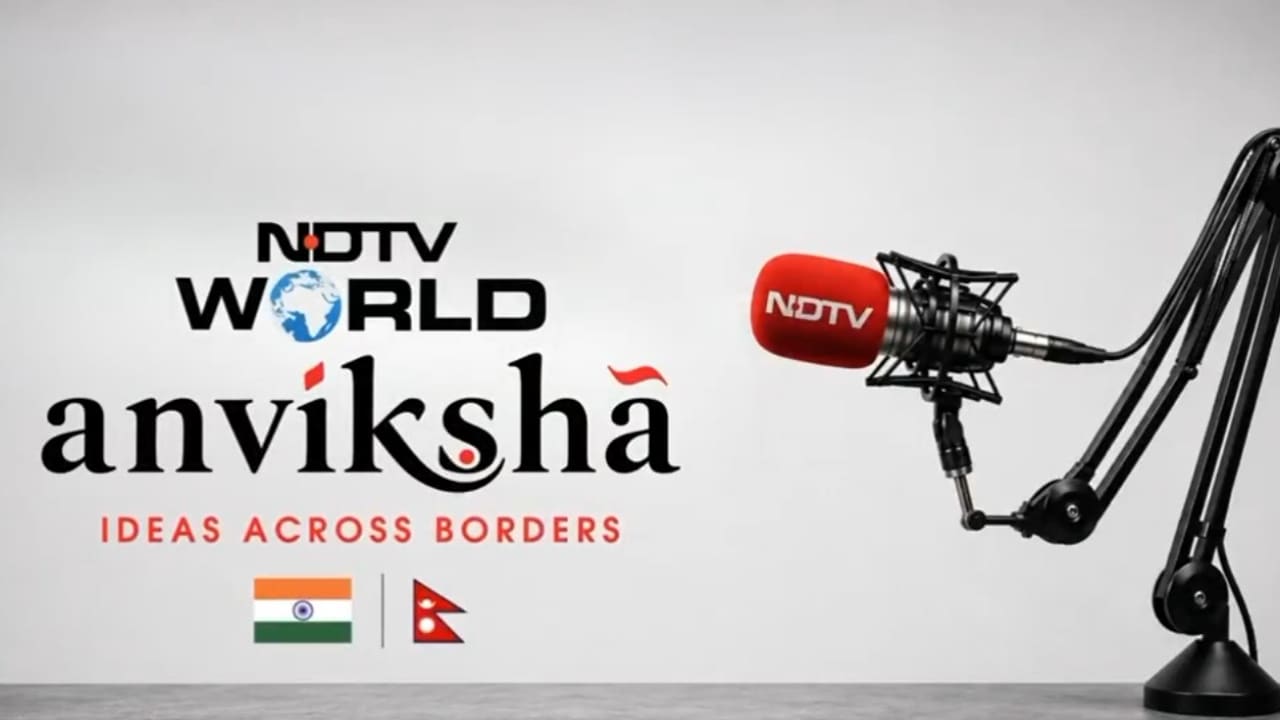
Cross-border diplomacy often gets bogged down in sterile press releases and tired bureaucratic clichés. You see the same handshakes, read the same hollow statements about shared heritage, and walk away none the wiser about what is actually changing on the ground. That routine is finally getting disrupted. NDTV World is rolling out a major global conversation platform called Anviksha, starting right in Kathmandu with the inaugural India-Nepal dialogue.
If you wonder why this matters beyond the usual diplomatic circuit, the answer lies in who is sitting at the table and what they plan to hash out. Let us look past the marketing and examine what is really on the agenda.
Breaking Free From Old Diplomatic Scripts
The term Anviksha draws inspiration from an ancient concept: anvīkṣikī, which translates roughly to arriving at truth through active inquiry and rational reflection rather than blind acceptance. For decades, the relationship between New Delhi and Kathmandu has been viewed through a narrow lens of open borders, security dependencies, and occasional friction points.
This new dialogue series tries to shatter that mold. Instead of flying in a few detached experts to talk at the region, the organizers have gathered heavy hitters from inside both countries to argue, negotiate, and outline real economic and social futures.
You have sitting ministers, opposition leaders, business pioneers, and cultural icons sharing the exact same room. When political figures like Nepali Finance Minister Swarnim Wagle and foreign affairs voices like Shisir Khanal sit down alongside Indian strategists such as Shashi Tharoor and Ram Madhav, the conversation stops being a theoretical exercise. It turns into an unvarnished look at where bilateral ties actually hurt and where they desperately need growth.
What is Actually on the Table
People tracking South Asian affairs usually look for the obvious buzzwords: security pacts, water treaties, and transit routes. While those elements remain crucial, the Kathmandu sessions dig deep into everyday realities that standard foreign policy desks routinely ignore.
Economic Realities and Youth Ambitions
Nepal is dealing with a massive demographic shift. A huge segment of its population is young, digitally connected, and deeply impatient with sluggish domestic job markets. The dialogue puts enterprise and economic opportunity right at the center. Entrepreneurship, tech integration, and modernizing cross-border trade corridors are taking up massive blocks of discussion time.
Tourism and Infrastructure Integration
Geography makes India and Nepal natural partners, but red tape often turns simple transit into a logistical nightmare. The panels are dissecting specific bottlenecks in aviation, highway connectivity, and regional tourism frameworks. You cannot talk about mutual growth while travelers and business owners face endless clearance delays at border checkpoints.
Shifting Cultural Soft Power
Diplomacy is rarely won in boardrooms alone. By bringing in prominent cultural voices and sports figures—including figures like cricketer Paras Khadka and film personalities—the event acknowledges that modern influence flows through shared digital media, cinema, and sports.
Why This Initiative Hits Differently
Most media summits exist to give politicians a stage for photo ops. Having watched numerous regional forums fizzle out into empty declarations, I am naturally skeptical of new acronyms and launch events. However, the sheer breadth of ideological diversity among the invited speakers suggests this might avoid becoming an echo chamber.
When you put ruling party representatives, fierce opposition critics like Gagan Thapa and Rabi Lamichhane, and independent-minded regional experts together, the friction is guaranteed. That friction is precisely what makes it worth watching. Real progress between neighbors does not come from pretending disagreements do not exist; it comes from dragging them out into the open daylight and hashing them out.
Keep a close eye on the concrete takeaways coming out of Kathmandu this week. If this series lives up to its mandate of moving past tired assumptions, it might just rewrite how South Asian nations talk to one another for years to come. Look past the headlines, watch the panels closely, and track which policy proposals actually survive contact with reality.