Cross-border relations between neighbors usually get reduced to dry diplomatic updates, trade figures, or routine political friction. Most people tune out because official statements sound rehearsed and empty. That's why media platforms need a serious shake-up.
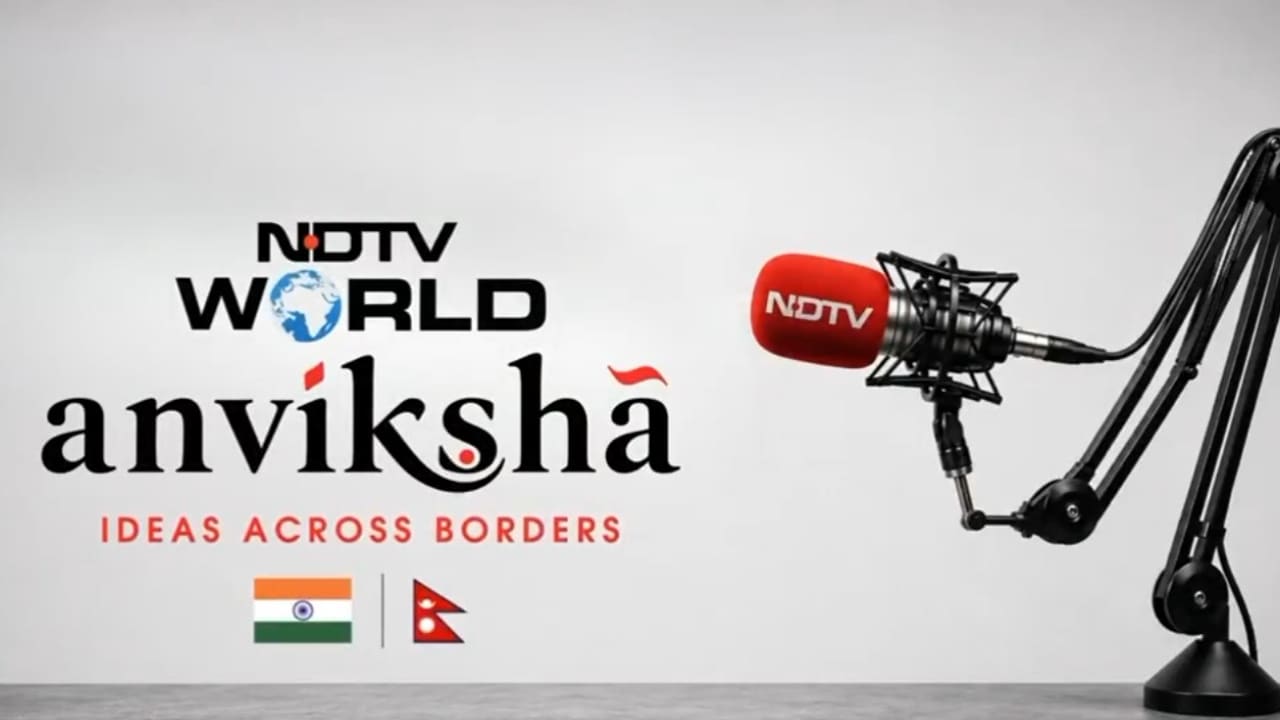
NDTV World is launching its new dialogue series, NDTV Anviksha, with its inaugural edition in Kathmandu on August 27, 2026. Instead of sticking to sterile bureaucratic talking points, the event brings together heavyweights like Shashi Tharoor and actor Manisha Koirala to unpack how India and Nepal view each other.
If you think this is just another routine diplomatic summit, you're missing the bigger picture.
The Real Problem With Regional Narratives
We live next door to each other, share ancient cultural ties, intermarry, and trade billions. Yet, our understanding of one another remains stubbornly stuck in old habits. Delhi often views Kathmandu through a security lens, while Kathmandu sometimes views Delhi through a prism of suspicion.
The name Anviksha comes from the ancient Indian tradition of anvīkṣikī, which means the disciplined pursuit of understanding through reason and reflection. It literally translates to looking again.
Most regional discourse fails because people repeat scripted talking points. Politicians read statements written by bureaucrats. Pundits shout over each other on cable TV. Nobody actually pauses to ask how the younger generation in Kathmandu views its economic future, or how Indian entrepreneurs perceive modern Nepali enterprise.
Who Is Showing Up and Why It Counts
An impressive lineup of speakers will descend on Kathmandu for this dialogue. You aren't just getting career diplomats. The event features high-profile political voices, business leaders, and cultural icons.
- Shashi Tharoor: Indian Member of Parliament, author, and former international diplomat.
- Manisha Koirala: Acclaimed actress and cancer survivor whose cultural footprint spans both nations.
- Dr. Swarnim Wagle: Minister of Finance, Nepal.
- Paras Khadka: Former cricket captain and Secretary of the Cricket Association of Nepal.
- Ram Madhav: Author and President of the India Foundation.
Bringing actors, cricketers, finance ministers, and opposition politicians onto the same stage changes the dynamic entirely. Culture and sport drive public sentiment far more effectively than trade treaties do. When a cultural figure like Manisha Koirala or a sports icon like Paras Khadka talks about regional identity, people actually listen.
Moving Past Historical Clichés
Let's be honest. The India-Nepal relationship is burdened by historical baggage. Whenever a border dispute flares up or an economic blockade occurs, internet trolls on both sides lose their minds. Nuance gets buried under nationalistic noise.
Anviksha aims to strip away that noise. The conversations in Kathmandu won't just focus on statecraft; they will dive into Nepal's rapid democratic evolution, its entrepreneurial energy, and its young population's aspirations. Nepal is changing fast. Its youth aren't obsessed with the historical grievances of their grandparents. They want tech jobs, startup ecosystems, reliable energy grids, and global mobility.
If Indian foreign policy circles don't recognize this shift, they will keep treating a dynamic modern nation like a historical dependency. That approach is toxic, outdated, and frankly, lazy.
What to Watch For on August 27
Keep an eye on how these panel discussions handle the economic realities on the ground. Kamlesh Agrawal from the Nepal Chamber of Commerce and Birendra Raj Pandey from the Confederation of Nepalese Industries will bring hard business perspectives to the table.
Trade imbalances, hydropower cooperation, and investment hurdles aren't glamorous topics, but they dictate whether regular people in both countries see tangible benefits from cross-border ties. If the dialogue stays trapped in poetic declarations about shared mountains and rivers, it will fail. It needs to address why cross-border investments face bureaucratic red tape and how young tech talent can move freely.
The Bottom Line
Media networks launch dialogue series all the time, and most disappear into digital obscurity. But when you curate a room containing sharp political minds, economic policymakers, and cultural heavyweights, something genuine might actually happen.
Mark your calendar for August 27, 2026. Pay attention to what gets said outside the formal press releases. That is where the actual future of South Asian diplomacy is being written.