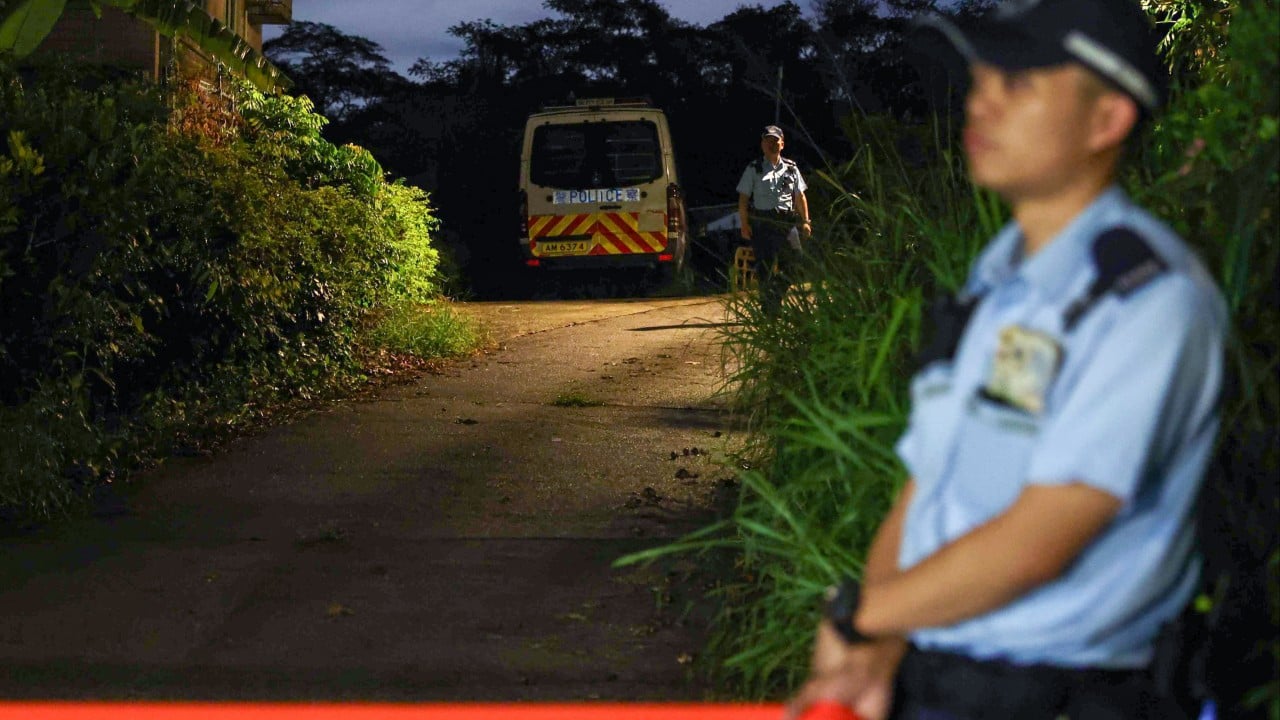
Two years after five-year-old Hind Rajab died in a bullet-riddled car in Gaza, the Israeli military has finally opened a criminal investigation into the incident. If you have followed the war in Gaza, the story of Hind Rajab is already burned into your memory. She wasn't just a casualty; she was the face of a desperate, failed rescue attempt that captured the world's attention in January 2024.
For those who haven't tracked the details, here's the reality: Hind was trapped in a vehicle with her family as they attempted to flee Gaza City. As gunfire erupted, she survived the initial barrage and called the Palestinian Red Crescent for help. She stayed on the line for hours. She wasn't alone in her fear. Paramedics were dispatched to find her. They never made it. Both the child and the rescue team were eventually found dead.
Now, in August 2026, the Israel Defense Forces (IDF) says it is launching a criminal probe into her death and the subsequent killing of the two medics. They also announced a similar investigation into a separate 2025 incident involving the deaths of 15 Palestinian rescue workers.
The credibility gap
Official announcements like this are often framed as a step toward justice. But you have to look at the track record to understand why so many human rights observers are skeptical.
According to Yesh Din, an Israeli human rights organization, military convictions for soldier conduct in Gaza are incredibly rare. Ziv Stahl, the director of the group, has noted that even when convictions occur, the punishments are often minimal compared to the severity of the offenses.
When the IDF announced this probe, they simultaneously defended their past actions. They claimed their troops fired because the vehicle was "approaching them" against advance notices. This framing shifts the burden of responsibility onto the civilians caught in the crossfire. By characterizing the movement of a terrified family as a tactical threat, the military effectively pre-empts the findings of their own investigation.
Why internal probes fail to satisfy
There’s a fundamental disconnect between what the military calls an investigation and what the international community considers accountability. When a state agency investigates itself, the process is inherently opaque.
Consider the "Voice of Hind Rajab," the docudrama that brought this case to a wider audience. The film relies on the raw, harrowing audio of that final phone call. When you listen to a five-year-old pleading for her life, "accountability" feels like a moral imperative, not a procedural exercise.
The Hind Rajab Foundation, which has been pushing for justice, didn't mince words following the announcement. They stated they have "no confidence" in the military's move. They argue that these internal reviews are not genuine steps toward justice but rather mechanisms to deflect criticism. They aren't alone in this sentiment. Many families of victims in Gaza see these investigations as theater—a way for the military to claim they are following the rule of law without actually holding anyone accountable for the systemic failures that lead to civilian deaths.
The pattern of military review
It isn't just the Rajab case. The military is currently reviewing roughly 150 incidents related to soldier conduct in Gaza. Yet, they have explicitly stated they will not open criminal investigations into other high-profile attacks, such as those targeting World Central Kitchen or Doctors Without Borders staff.
When you look at the landscape of these decisions, a pattern emerges. Investigations seem to be opened only when global outrage reaches a breaking point or when specific cases become symbols of the war’s brutality. It's a reactive strategy, not a proactive one.
If you are looking for what happens next, don't expect a sudden wave of justice. Military police investigations in these contexts are notoriously slow, often taking years to produce any tangible results, if they produce them at all.
What to watch for
If you want to understand the legitimacy of this probe, ignore the press releases. Instead, watch for these three things:
- Transparency of Evidence: Will the military release the raw data they used to justify the firing, or will they hide behind "security concerns"?
- Standard of Proof: Are they using an objective standard for "threatening behavior," or is the standard whatever a soldier happens to believe in the heat of the moment?
- The Outcome: In a year, will there be a public report detailing the specific failure of command, or will this quietly disappear into a file cabinet?
The reality is that for families in Gaza, the promise of a criminal investigation is often too little, too late. It doesn't bring back the people who were killed. It doesn't address the structural issues that allow for these incidents to happen repeatedly.
If you're following this, stay skeptical of the "official" narrative. True accountability requires independent oversight, and as of now, that is nowhere on the horizon. Don't mistake a formal announcement for the conclusion of the story. The legal battle for justice in these cases is usually where the true, often depressing, work happens.