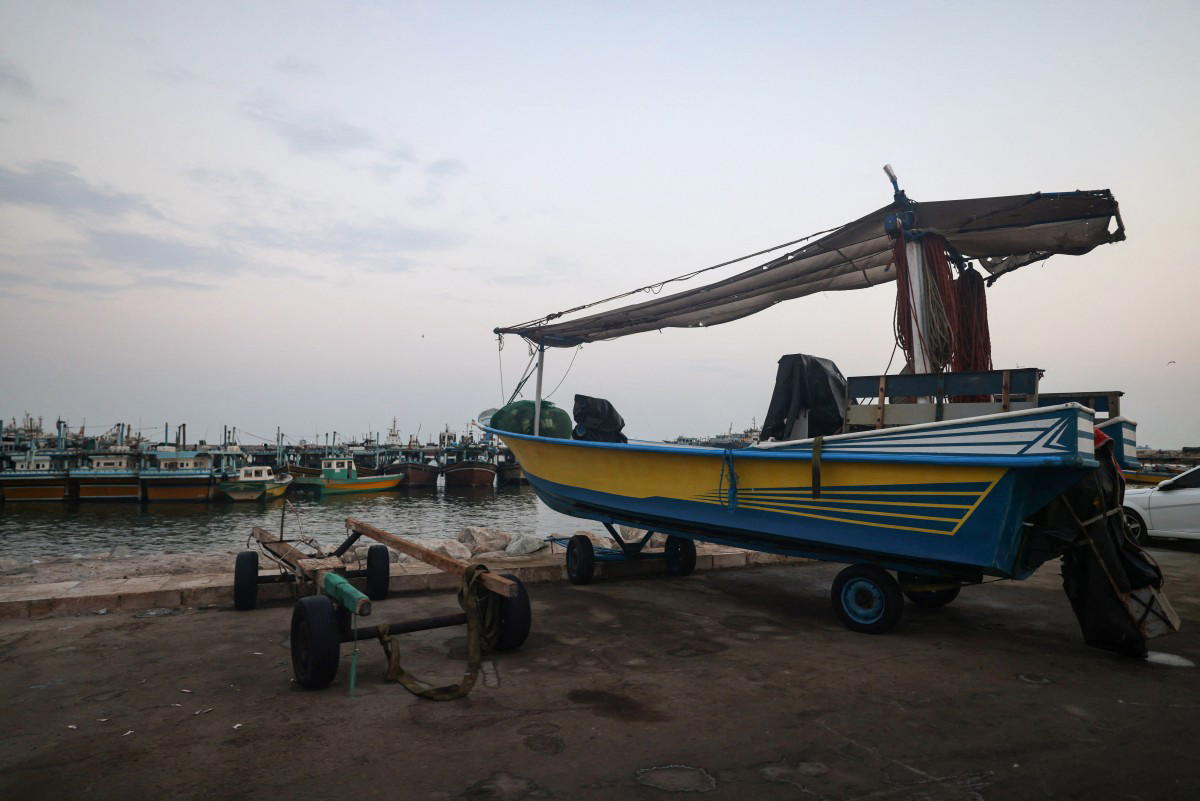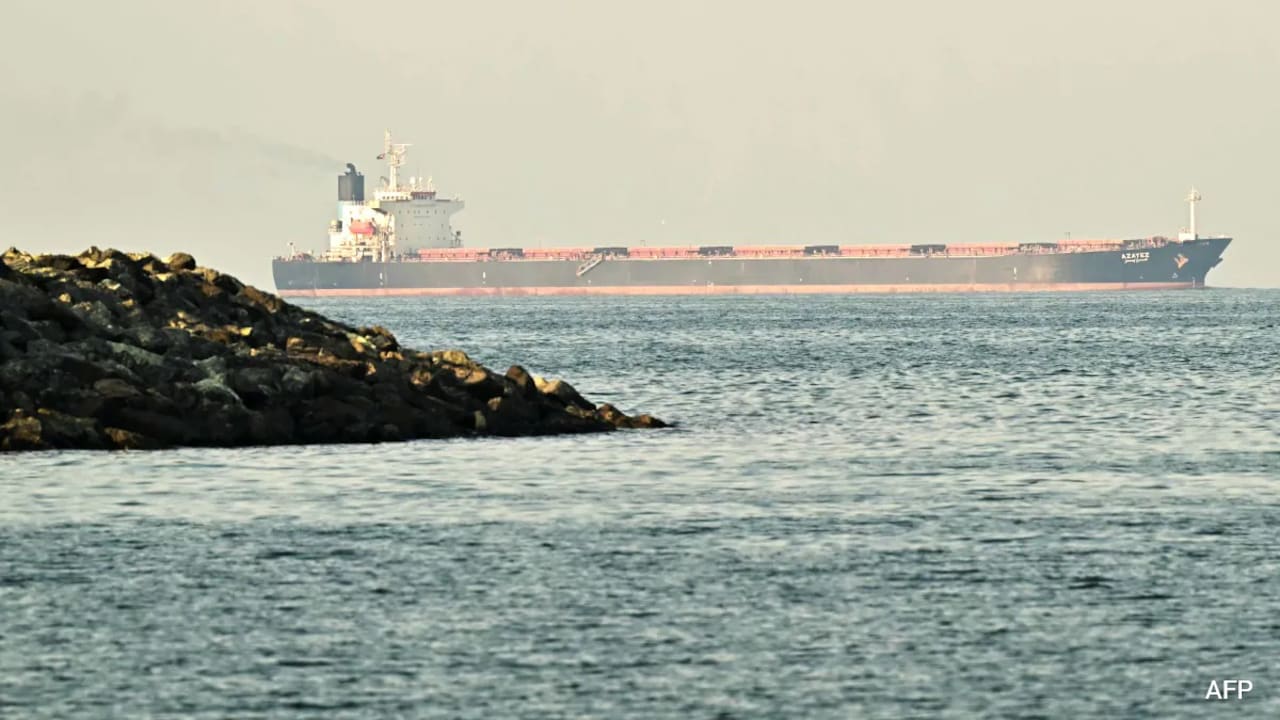
The Strait of Hormuz is the single most critical choke point for global energy markets, and right now, its future is being quietly redrawn in Tehran. Iranian Foreign Minister Abbas Araghchi and Omani Foreign Minister Badr al-Busaidi recently met to push forward a phased framework establishing a temporary joint shipping corridor and a coordinated mine-clearing initiative.
If you are wondering why this matters beyond regional politics, look at your energy bills. Roughly a fifth of the world's petroleum supply usually passes through this narrow passage. Months of active conflict, maritime blockades, and drifting hazards have throttled that flow, forcing tanker operators into high-stakes gambles. These new talks between Iran and Oman represent the first concrete diplomatic mechanics attempting to put Humpty Dumpty back together again.
Breaking Down the Iran Oman Framework
Let's look past the diplomatic pleasantries and examine what is actually on the table. The proposed agreement is not an immediate, unconditional reopening of the waterway. Instead, it outlines a structured approach.
- A temporary joint navigation corridor designed to provide a controlled, safer passage for commercial vessels.
- A joint project between Tehran and Muscat to locate and clear maritime mines.
- Long-term technical negotiations addressing the future administration of the strait, traffic management, and shared security services.
Omani leadership has expressed strong optimism that practical arrangements will be announced shortly. However, Iranian officials are quick to temper expectations. Tehran maintains that a bilateral understanding with Oman does not mean the entire strait is suddenly open for unrestricted international traffic. Major sticking points remain, particularly regarding broader U.S. sanctions, regional security demands, and naval positioning.
The Washington Factor and the Minefield Disconnect
You cannot talk about the Strait of Hormuz without addressing the United States. Washington has kept heavy pressure on Iran, with Treasury warnings targeting third-party compliance and aggressive naval monitoring.
Complicating matters further, conflicting narratives surround the physical state of the water. While Iran and Oman have officially agreed to pursue a joint de-mining operation, American officials have simultaneously claimed that the U.S. Navy has already cleared or detonated all mines within international waters using advanced underwater drones. This disconnect highlights how deeply distrustful every party is of the other's telemetry and intentions.
Commercial shipping companies are caught squarely in the middle. The Joint Maritime Information Center continues to maintain a severe threat assessment, warning of uncharted or drifting hazards near the traffic separation schemes. Shippers cannot afford to rely on political declarations alone. They need absolute operational clarity before sending multi-million-dollar crude carriers back into the line of fire.
What This Means for Global Supply Chains
Navigating this crisis requires realism. Even if an interim corridor materializes, throughput will remain restricted compared to pre-war volumes. Insurance premiums for tankers operating in the Persian Gulf will stay elevated. Shippers must continue monitoring real-time advisories rather than assuming a diplomatic breakthrough equals instant normalcy.
Keep a close eye on the technical coordination between Iranian and Omani maritime authorities. If they successfully implement a localized traffic scheme, it could serve as a blueprint for a permanent governance model involving other Gulf littoral states. Until then, treat every announcement as a step in a long, volatile process rather than a final resolution.