History is messy. Heroes have flaws. Sometimes, those flaws cross lines into criminal behavior that institutions work hard to bury.
An 86-year-old woman has shattered decades of silence. Filing a lawsuit in Kern County Superior Court, the plaintiff—identified as Jane Doe—accuses the late labor icon César Chávez of raping her in 1973. She also targets two major organizations tied to his name: the César Chávez Foundation and the UFW Foundation. She claims these entities enabled his conduct, ignored internal warnings, and helped conceal a pattern of abuse. Meanwhile, you can find similar events here: How 17 Rescued Pigs Survived Two Centuries On A Remote Subantarctic Island.
This isn't just an isolated legal filing. It represents a watershed moment for how we reckon with historical figures who built movements on moral authority while allegedly violating the very people who built those movements alongside them.
Breaking Down the Allegations
The details in the complaint are stark. Jane Doe moved to California's Central Valley after college, drawn by the idealism of the United Farm Workers movement. In the spring of 1973, living at the movement's headquarters at Nuestra Señora Reina de la Paz in the Tehachapi Mountains, her life upended. To explore the full picture, we recommend the recent article by USA Today.
According to the lawsuit, Chávez arranged a gathering around her 33rd birthday while her husband was away on union business. He allegedly pressured her to drink, pursued her throughout the night, and later followed her home. The complaint states that Chávez raped her inside her bedroom while a union bodyguard stood watch outside. A second assault followed years later.
Why speak up now, more than fifty years later?
The answer lies in timing and legal windows. California's Assembly Board 250 opened a temporary legal window allowing adult survivors of sexual assault to file claims past the standard expiration date, even if the events occurred decades ago. It also revived potential claims against organizations accused of a cover-up.
The Ripple Effect on a Storied Legacy
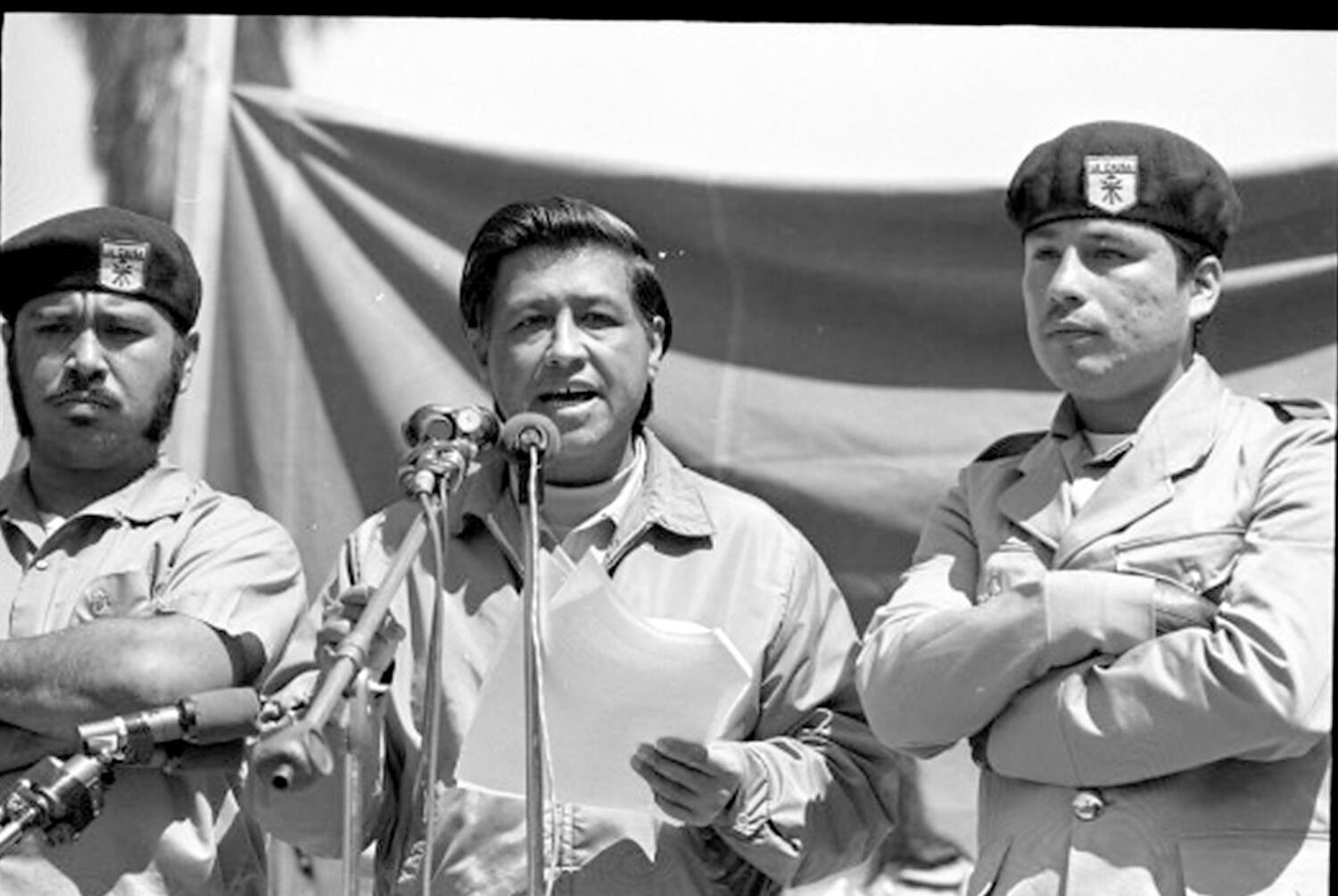
Chávez died in 1993 at age 66, celebrated universally as a champion for marginalized laborers, civil rights pioneers, and the American working class. For generations, schools, parks, and national holidays bore his name.
That narrative fractured earlier this year. In March, reports surfaced detailing accusations from other women within his inner circle, including UFW co-founder Dolores Huerta, who stated publicly that Chávez subjected her to sexual misconduct during their time organizing.
The public reaction was immediate. Communities canceled César Chávez Day events. Local governments began the quiet, painful process of renaming streets and schools. When institutions are built around a singular "cult of personality," accountability often takes a backseat to protecting the brand.
Jane Doe’s legal team argues that no mission, no matter how noble, excuses institutional complicity. V. James DeSimone, one of the attorneys representing her pro bono, put it bluntly: "No cause, no organization, should be above the law."
What the Nonprofits Are Saying
The organizations named in the lawsuit find themselves in a defensive crouch.
The César Chávez Foundation stated they recently learned of the complaint and are reviewing it with legal counsel. Back in March, when the initial wave of allegations broke, the foundation issued statements acknowledging the pain of survivors and pledging to support restorative justice. Yet, the friction between corporate public relations statements and legal liability in a courtroom is severe.
The UFW Foundation has not issued a direct response to the new filing. The United Farm Workers union itself operates separately and is not named as a defendant in this specific suit.
Accountability Across Generations
We are living through a massive cultural pivot. The uncritical worship of historical figures is giving way to a demand for complete truth, no matter how uncomfortable.
When organizers like Jane Doe dedicated their youth to a cause only to face abuse and subsequent institutional gaslighting, the betrayal runs deep. Top lieutenants within the movement allegedly attacked women verbally, accusing them of sabotage if they dared report misconduct.
The lawsuit seeks a jury trial, demanding damages for emotional distress, lost earnings, and punitive penalties. It forces the organizations bearing Chávez's name to confront the structural failures of the past.
Truth matters more than legacy. Survivors deserve their day in court.
César Chávez foundations sued over alleged sexual abuse cover-up
This video provides additional context and reporting regarding the recent lawsuit filed against the César Chávez Foundation and the UFW Foundation.
http://googleusercontent.com/youtube_content/1