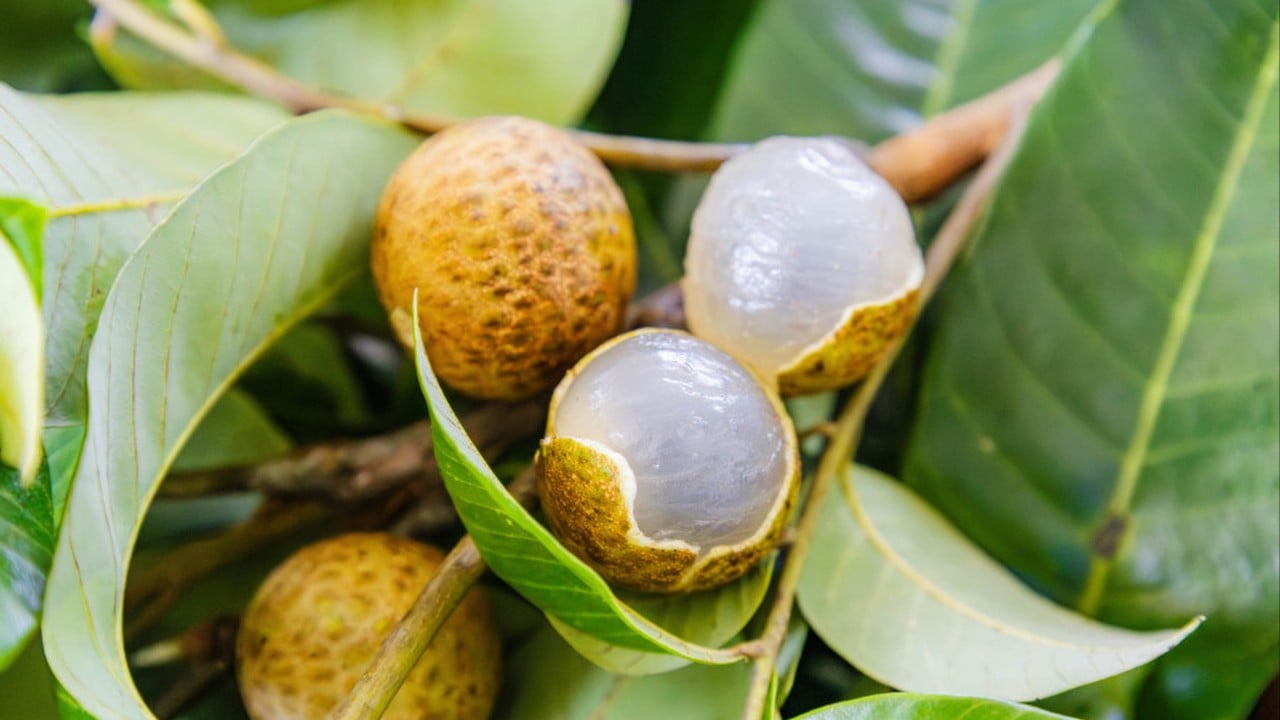
You cannot normally cross two distinct fruit genera and expect a miracle. But Chinese agricultural researchers just pulled off an intergeneric cross between lychees and longans, and the produce market is scrambling to figure out what happens next.
Let's look at the reality behind this breakthrough. Scientists at the Guangdong Academy of Agricultural Sciences spent over a decade messing with pollen lines. They took a late-maturing lychee as the female parent, inactivated its native pollen, and introduced longan pollen into the mix. They basically tricked the plant into an unnatural fertilization process.
The result? The very first batch of hybrid fruit just hit harvest maturity in mid-May, and it completely defies expectations.
Why This Hybrid Breaks the Rules of Horticulture
Most early-season fruits taste watery or sharp because they rush through the ripening phase. You bite into an early lychee, and you usually regret it.
This new creation flips the script entirely. Even though the parent plants were late-ripening strains, the offspring naturally adapted into an early-ripening germplasm. The flesh is thick, exceptionally crisp, sweet, and carries a distinct aromatic punch.
Getting a crisp texture out of a stone fruit hybrid is rare. Longans offer a dense, musky bite, while lychees provide high sugar and floral juice. Marrying the two creates a profile that fills an absolute dead zone in the seasonal fruit supply.
How the Market Will Actually React
Commercial buyers hate supply gaps. Early summer usually leaves high-end fruit vendors scrambling for premium inventory because top-tier early lychees simply don't taste good enough to command luxury prices.
This hybrid targets that exact financial vacuum.
- Filling the seasonal void: Because these fruits mature much earlier than traditional heavy-hitter cultivars, they hit shelves when prices for fresh stone fruits peak.
- Yield economics: Growers dealing with climate volatility need resilient crops. Early-bearing trees shorten cash flow cycles for agricultural operations that normally wait years for a return.
- Consumer curiosity premium: Specialty hybrid fruits command insane initial retail margins. When a novel product hits high-end grocery stores in major metropolitan areas, urban consumers pay double just to try it first.
The Commercial Bottlenecks Nobody Is Talking About
Before you clear space in your orchard, understand that you can't buy these saplings tomorrow.
The breakthrough is real, but mass commercialization is years away. The original test trees are still undergoing rigorous comparative varietal trials to ensure genetic stability. Plant breeders must prove the cultivar won't mutate or drop yields under stress before handing out distribution rights.
Expect commercial availability to take another five to six years. Agricultural scaling moves at the speed of botany, not software.
What Growers and Retailers Should Do Right Now
If you operate in the agricultural supply chain, don't wait for these trees to show up in local catalogs. Pay close attention to the research output coming out of southern China.
Establish direct lines with regional horticultural institutes participating in these field trials. Monitor how these hybrid variants handle shifting weather patterns, especially unseasonal frost and heavy monsoon rains. The real winners in the global fruit market won't be the ones who read about the harvest on social media—they will be the operations securing propagation rights the moment public trials clear.
Watch the regulatory approvals closely, track the yield reports from Guangdong, and prepare your distribution channels for a completely new category of sweet, crisp stone fruit.