Federal regulators just dropped a massive update on a 1977 civil rights law, and most people are totally missing what it actually means for neighborhoods.
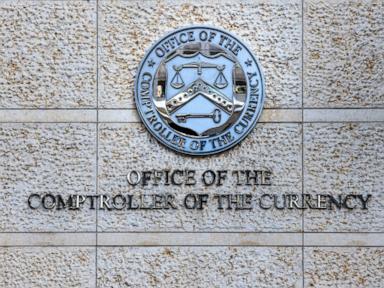
The Office of the Comptroller of the Currency and the Federal Deposit Insurance Corporation rolled out a joint plan to rewrite the rules of the Community Reinvestment Act. If you think banking regulation is boring, look closer. This shakeup alters how financial institutions handle lower-income lending, strips compliance burdens from hundreds of institutions, and sparks a fierce political turf war over community grants. If you liked this article, you might want to look at: this related article.
The Shrinking Pool of Full Compliance
For decades, the Community Reinvestment Act forced banks to prove they were actively lending to lower-income neighborhoods, rather than just taking deposits and ignoring local needs. But the new framework alters the map entirely.
The definition of a small bank jumps from institutions holding under $412 million in assets straight up to $1 billion. On top of that, banks holding between $1 billion and $10 billion now fall into an intermediate category. For another angle on this story, refer to the latest update from Financial Times.
What does that mean in practical terms? Roughly 800 banks escape certain compliance requirements overnight. Under the new guidelines, only 86 institutions—representing about three percent of all banking entities—face the full weight of the original compliance standards.
Regulators argue this frees smaller community banks from crushing paperwork. Critics point out it lets a massive chunk of the financial sector off the hook.
Shifting From Branches to Actual Lending
If you run a local business or try to buy a home, you care less about physical bank branches and more about whether anyone will actually approve your loan. Regulators finally seem to agree with that reality.
Under the proposed revisions, bank examiners stop putting heavy emphasis on how many brick-and-mortar branches a bank operates or how many local deposits it grabs. Instead, the focus shifts sharply to actual lending performance within specific geographic communities.
You're judged on what you lend, not where your doors happen to be open. For modern digital banking eras, that shift makes logical sense. But it also changes the scorecard overnight for banks that relied on branch counts to pass their regulatory tests.
The Battle Over Community Grants
The flashpoint of this entire overhaul isn't just about loans. It is about cash gifts to community organizations.
For years, banks hit their regulatory requirements by donating funds to local groups tackling poverty or building low-income housing. The new rules tighten the leash on these donations. Regulators want to ensure community development grants don't get diverted to activist groups or swallowed up by massive administrative overhead.
Banks now face stricter tracking requirements. They have to collect precise addresses for grant recipients to prove where the money lands.
National umbrella groups like the National Community Reinvestment Coalition heavily oppose these changes. Jesse Van Tol, CEO of the coalition, argues the shift discourages banks from funding national networks and warns of major drops in activity, especially in rural areas. Regulators counter that the added transparency fixes a broken system.
What Happens Next
The Federal Reserve sat this specific joint proposal out, leaving the OCC and FDIC to lead the charge for now. The rules aren't set in stone yet. A 60-day public comment window is open, meaning banks, advocacy groups, and industry insiders are gearing up for a massive lobbying brawl.
If you want to track how this impacts your local lending market, watch how mid-sized banks adjust their community development budgets over the next two months. Submit your own comments to the federal registry if you have skin in the game. The rules governing neighborhood finance are shifting right now, and staying silent means letting others write the terms.

/pratidin/media/media_files/2026/02/10/new-pt-web-icc-2026-02-10-13-11-38.jpg)