Military hardware agreements rarely happen in a vacuum. When a defense company tied to the political family of a sitting US president cuts a high stakes procurement deal with Islamabad, geopolitical shockwaves follow.
Let us break down what is actually happening behind the headlines of the recent Pakistan military agreement.
Inside the Powerus Deal
An American unmanned systems company called Powerus just signed a major memorandum of understanding with the Pakistan military. Co-founder Brett Velicovich confirmed the pact to media outlets, highlighting a shared vision for joint technology development.
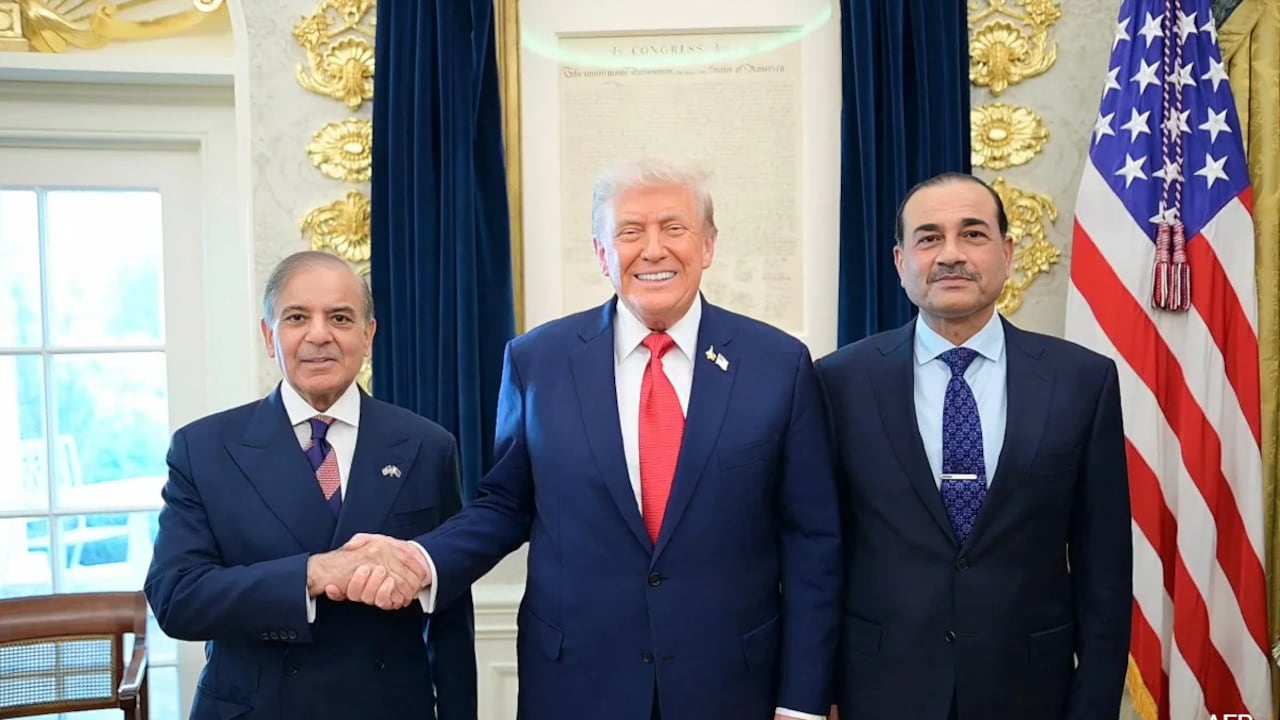
The arrangement aims to bridge American hardware manufacturing capabilities with regional operational needs. Field Marshal Asim Munir personally met the Powerus delegation in Islamabad. Discussions centered heavily on defense procurement, localized production, and long-term capacity building.
The Trump Family Connection
The business angle makes this arrangement deeply fascinating. Powerus is currently preparing to merge with a publicly traded entity called Aureus Greenway Holdings. Regulatory filings show that American Ventures—an investment fund associated with Donald Trump Jr. and Eric Trump—holds a direct stake in Aureus.
Executives at Powerus have tried to distance the family name from daily commercial choices. They insist that contracts are awarded entirely on merit and that the Trump brothers stay away from operational management. Even so, the political optics of a Trump-adjacent enterprise selling drone systems to the Pakistan military cannot be ignored.
Breaking the Chinese Monopoly
Washington has spent decades withholding advanced aerial hardware from Islamabad. That vacuum allowed Beijing to step in. Chinese manufacturers supplied virtually all of the regional drone inventory without asking tough strategic questions.
Now, American defense strategy is shifting. Company founders argue that Washington is finally waking up to the reality of losing ground in South Asian military technology markets. By offering modern unmanned aerial and maritime systems, American firms want to challenge Beijing's dominance head-on.
What Comes Next for Regional Defense
This agreement is not just about a few quadcopters or surveillance platforms. It signals a major pivot in how Washington and Islamabad manage security ties, especially following previous multi million dollar support packages for F-16 fighter jet fleets.
Keep an eye on the upcoming corporate merger in early October. If the transaction clears regulatory hurdles smoothly, expect to see deeper tech sharing arrangements materialize on the ground.