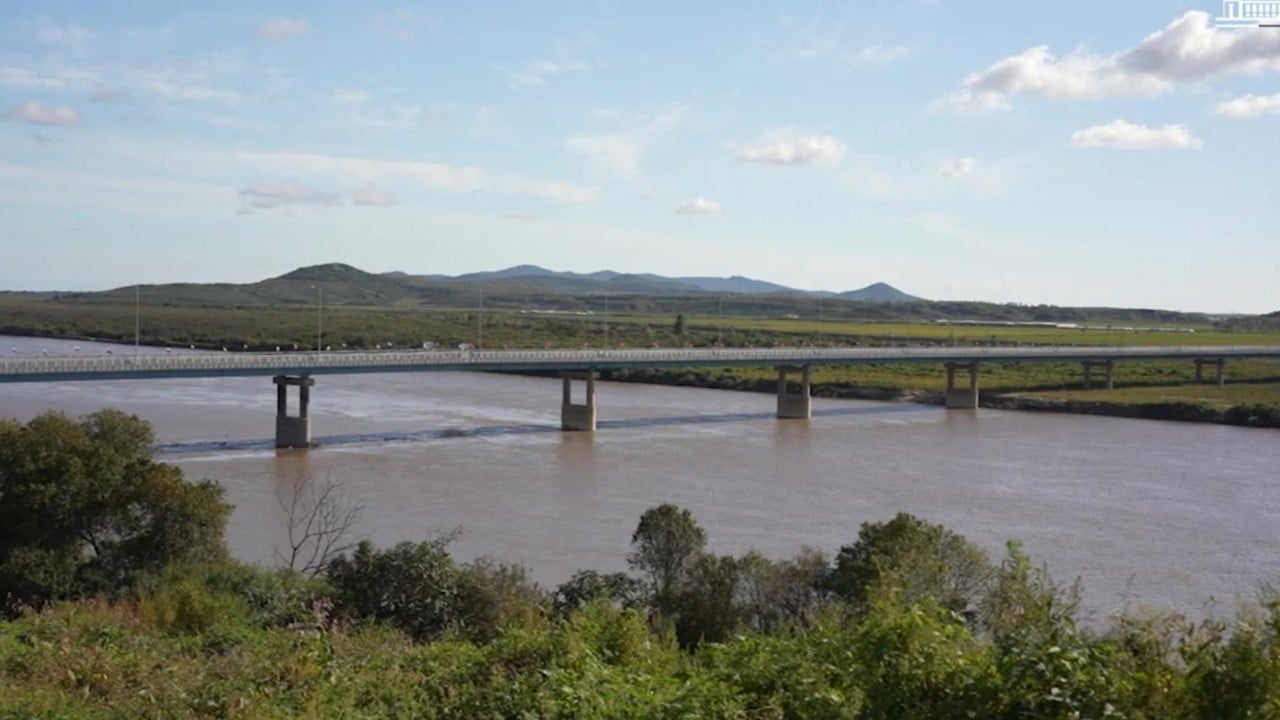
For decades, if you wanted to cross between Russia and North Korea by land, your only option was a rusty, 1950s-era railway bridge. That changed when Moscow and Pyongyang cut the ribbon on their very first direct road bridge across the Tumen River.
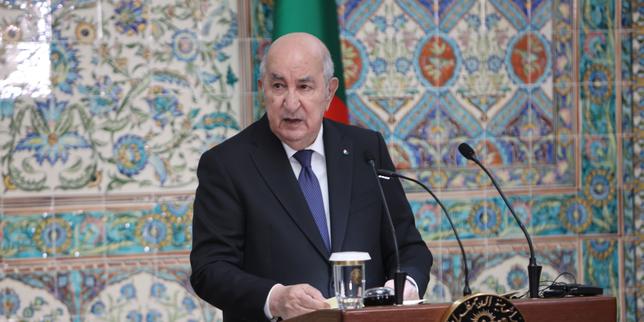
Russian Prime Minister Mikhail Mishustin and North Korean Premier Pak Thae Song marked the occasion via video link. They called it a historic milestone for their expanding strategic partnership. But behind the celebratory rhetoric, this one-kilometer stretch of asphalt represents something much more practical. It is a new artery for a quiet, high-stakes alliance that is reshaping regional security.
Let's look past the political theatre. What does this bridge actually change on the ground?
Inside the Tumen River Crossing
The numbers surrounding the new route are modest on paper. The two-lane highway links North Korea’s Rason special economic zone with Russia’s Khasan border area. According to the Russian government, the infrastructure cost roughly 9 billion rubles, which translates to about $104 million. It is designed to handle up to 300 vehicles daily.
That is not a massive volume by global trade standards. For context, North Korea's external economy remains overwhelmingly tied to China, which accounts for the vast majority of its cross-border commerce through dozens of active transport links.
Yet, treating this project as a minor commercial upgrade misses the point entirely.
Why Infrastructure Matters Right Now
Relations between Moscow and Pyongyang have shifted dramatically. Since the outbreak of the war in Ukraine, the two nations have moved from quiet neighbors to active strategic partners. North Korea has supplied artillery, ammunition, and troops to support Russian operations. In return, the Kremlin has offered political backing, technological assistance, and economic lifelines.
Until now, moving goods between them relied heavily on the aging rail route or air links. Trains are efficient for bulk cargo, but they are rigid. They require tedious cargo transfers at the border due to differing rail gauges, and they are painfully easy for international intelligence agencies to monitor via satellite.
A road bridge changes the logistics equation. Trucks offer flexibility, discretion, and speed that rail cars simply cannot match.
The Historical Nod and the Modern Reality
The bridge is named after Yakov Novichenko. He was a Soviet military officer famously credited with saving North Korean founder Kim Il Sung from a grenade attack in Pyongyang back in 1946. Naming the bridge after him is classic diplomatic symbolism, anchoring modern political alignment in mid-century historical myths.
But diplomats can talk about historical friendship all they want. Western intelligence and neighboring nations are watching the asphalt for a different reason.
Vehicle traffic is notoriously difficult to track compared to scheduled freight trains. Critics and regional observers worry the road link will bypass international oversight, creating an unmonitored corridor for military equipment and sanctioned goods. While Moscow and Pyongyang insist the route is meant for commercial freight, tourism, and cultural exchange, the timing makes skepticism the default stance for anyone outside their inner circle.
What Happens Next
Will this bridge transform North Korea's isolated economy overnight? Honestly, no. Rason has long struggled to attract sustainable foreign investment, and Western sanctions ensure that most international corporations will steer clear of any ventures tied to this corridor.
Instead, the route is built for a specific, bilateral purpose. It solidifies a land lifeline between two heavily isolated states that have decided their survival depends on leaning into each other. As traffic starts rolling across the Tumen River, expect the economic and military ties binding Moscow and Pyongyang to tighten just a little bit more.