Big money changes landscapes overnight.
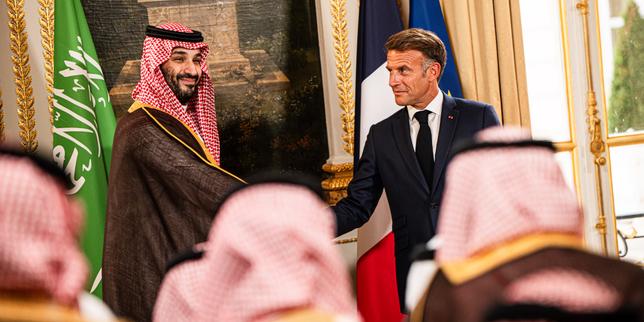
When Saudi Crown Prince Mohammed bin Salman (MBS) touches down for diplomatic tours, billions usually follow. This time, the ambition hit the soil just outside Paris with a massive blueprint for a mega theme park. You heard that right. Saudi capital is backing a massive entertainment complex right in France's backyard.
Most observers missed the real strategy here. They see a simple amusement park. They look at rollercoasters and cotton candy. That is a mistake. This venture represents a massive shift in cross-border entertainment investments, blending Persian Gulf petrodollars with European tourism infrastructure.
Let us break down what is actually happening behind the headlines, why this project matters for the future of global entertainment, and what it means if you plan to visit or invest in the region anytime soon.
The Reality Behind the Paris Entertainment Bet
France already owns the European theme park crown. Disneyland Paris pulls millions of visitors every single year. Parc Asterix holds its own with local charm and big thrills. So why inject billions of Saudi investment into a brand-new competitor right next door?
Diversification.
Saudi Arabia wants off the oil hook. Vision 2030 isn't just a domestic marketing slogan; it is an aggressive global acquisition of assets, influence, and intellectual property. Riyadh is funding entertainment giants, gaming studios, and tourism hubs worldwide. Planting a flag in France—the tourism capital of the world—proves their entertainment division can play on the toughest fields.
You are looking at a cross-cultural venture. French engineering meets Saudi financial muscle.
Details emerge slowly, but construction timelines point toward a multi-year rollout aiming for major milestones by the end of the decade. Planners promise immersive tech, next-generation rides, and hospitality complexes designed to out-luxury current local options.
Why Traditional Tourism Models Are Breaking
If you run a hospitality business in Europe, you need to pay attention. The old playbook of building a regional attraction and relying on domestic traffic is dead.
Modern tourists demand scale, IP integration, and premium experiences. They want high-end dining attached to thrill rides. They expect digital integration from booking to park exit.
Saudi-backed entertainment ventures—like the Qiddiya projects back home—rely on massive land footprints and extreme technological integration. Bringing that philosophy to France means local operators must step up their game. Disney and Compagnie des Alpes cannot rest on their laurels anymore.
Here is what you need to watch as this project moves from the drawing board to actual concrete:
- Labor dynamics: Sourcing talent in French construction and service sectors remains heavily unionized and strictly regulated. Managing a foreign-funded mega-project through European bureaucracy tests any investor's patience.
- Environmental scrutiny: Paris isn't an empty desert. Local councils and environmental groups will fight every hectare of lost green space. Expect fierce legal and political pushback over water usage, carbon footprints, and local traffic gridlock.
- IP partnerships: A park needs franchises people care about. Will they rely on independent concepts, or will Western entertainment studios sign licensing deals with Gulf-backed funds?
What This Means for You
Consumers win when giants compete.
If you love theme parks, this means a brand-new destination packed with state-of-the-art attractions will open near Paris within the decade. You will see shorter queues at older parks as crowds disperse, followed by intense ticket price wars and loyalty offers.
If you work in tourism, hospitality, or real estate near the French capital, property values and job demand will shift. Suburban zones targeted for development will see massive infrastructure upgrades, transport links, and commercial zoning changes.
Don't write this off as a PR stunt. When billions move, physical structures follow. Keep your eyes on the zoning permits and municipal approvals over the next twenty-four months. That is where the real story lives.
The landscape of European leisure is shifting. Saudi money just found a permanent address outside Paris, and the shockwaves are only beginning.