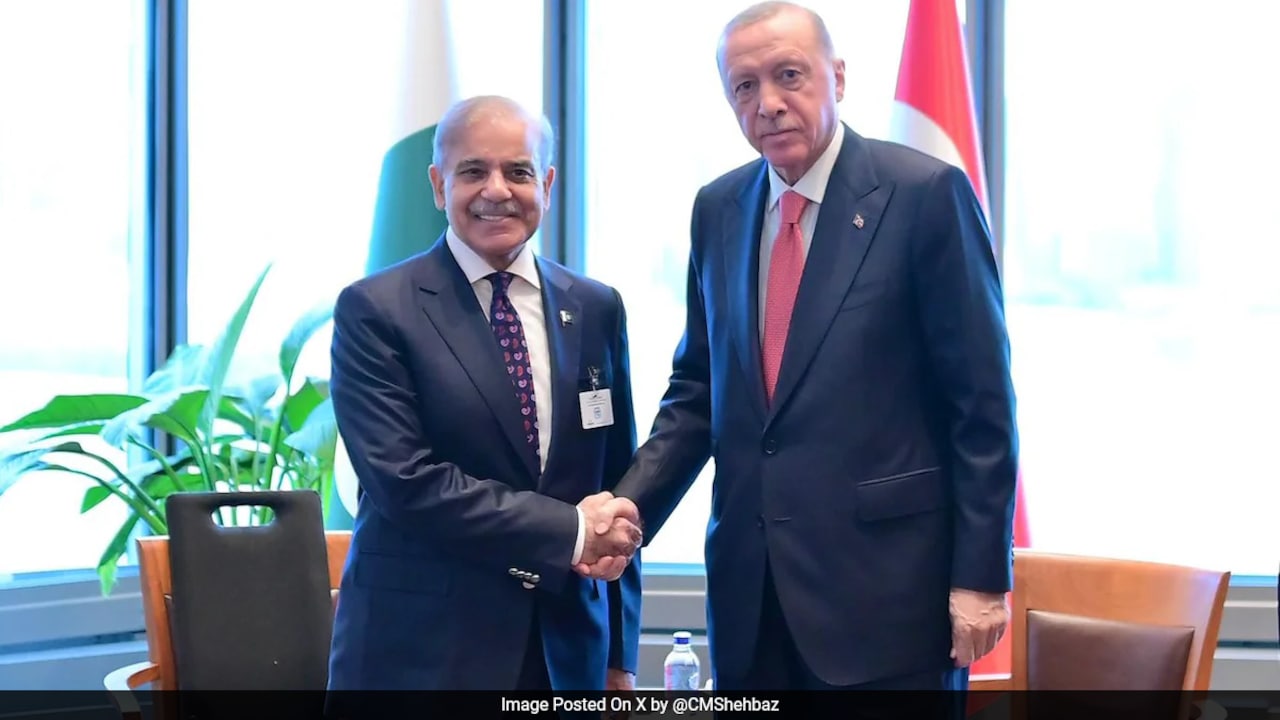
Security arrangements across the Middle East are shifting overnight. Saudi Arabia, Turkey, and Pakistan are finalizing a joint defense agreement in Jeddah, bringing together three of the most capable military forces in the Muslim world during an active regional crisis.
If you are wondering why this alliance is happening right now, look at the map. The ongoing conflict involving the United States and Iran, coupled with severe disruptions in the Strait of Hormuz and the Red Sea, has left Gulf nations scrambling for reliable regional security architectures. Traditional security guarantees from distant Western powers look less dependable by the day. Riyadh, Ankara, and Islamabad are deciding to protect themselves.
Inside the Jeddah Agreement
The timing of this pact is not accidental. While military planners in the three capitals discussed various cooperation frameworks for months, the current confrontation involving Iran, regional proxy networks, and disrupted trade routes forced a massive acceleration.
Saudi Crown Prince Mohammed bin Salman is hosting Turkish President Recep Tayyip Erdogan and Pakistani Prime Minister Shehbaz Sharif alongside Pakistan's army chief, General Asim Munir, for high-stakes meetings in Jeddah.
This tripartite framework builds directly on prior bilateral foundations. Saudi Arabia and Pakistan already signed a landmark mutual defense pact, creating significant diplomatic ripples given that Pakistan maintains a nuclear deterrent. Adding Turkey—a NATO military heavyweight with advanced drone technology, robust domestic defense manufacturing, and a history of projecting power across the Eastern Mediterranean and North Africa—creates a completely different strategic weight class.
What This Means for Regional Power Dynamics
For decades, Middle Eastern security relied heavily on external umbrellas. That era is fading fast.
When shipping lanes close and missile threats loom from multiple directions, regional states want indigenous deterrence. Turkey brings battle-tested unmanned aerial systems and electronic warfare capabilities. Pakistan offers professional manpower, strategic depth, and nuclear deterrence. Saudi Arabia provides the economic capital and vital energy corridors that anchor global trade.
Critics often dismiss these announcements as mere diplomatic theater, but the operational reality on the ground tells a different story. Intelligence sharing, joint manufacturing of defense hardware, and standardized military exercises between these three militaries have been quietly expanding. This formal pact institutionalizes what was previously informal cooperation.
The Broader Fallout
Tehran is watching this alignment very carefully. As regional tensions peak and shipping lines face constant pressure, a consolidated defense block stretching from South Asia through the Gulf to the Levant changes the calculus for any state considering aggressive actions.
Expect immediate diplomatic reactions from Western capitals and regional rivals alike. The message coming out of Jeddah is blunt: regional security will increasingly be managed by regional actors with real skin in the game. Keep a close eye on how military procurement and joint exercises roll out over the coming months. The architecture of Middle Eastern defense has entered a new phase.