For decades, millions of travelers have trekked to Salzburg looking for a gazebo that doesn't actually exist in the public parks where tourists usually look. They want the cinematic magic of 1965. They want Julie Andrews, Christopher Plummer, and the rolling hills of Austria singing back to them. But until recently, the city lacked a dedicated space bridging the gap between Hollywood's favorite musical and the actual history of the family who inspired it.
That changes with the opening of the Sound of Music Salzburg museum at the historic Hellbrunn Palace.
If you've spent any time researching Salzburg attractions, you know the city lives and breathes the Rodgers and Hammerstein classic. Hundreds of thousands of fans arrive every year to snap photos at Mirabell Gardens and Leopoldskron Palace. Now, this new 17th-century venue gives those visitors something they've desperately needed. It separates the Hollywood myth from historical reality.
Dismantling the Movie Myths
Let's clear something up right away. Hollywood changed plenty of things to make a better box office hit.
Take the character of Captain Georg von Trapp. Christopher Plummer famously played him as a cold, rigid disciplinarian who ruled his home like a naval ship and banned music entirely after his wife died. Real life looked completely different. Elisabeth von Trapp, granddaughter of Georg and Agathe, points out that music was always woven into their family fabric long before Maria walked through the front door.
"My father is depicted in the movie as Kurt; his name was Werner von Trapp," Elisabeth explains. The real Captain von Trapp was an affectionate, overburdened single father navigating the catastrophic economic collapse of the 1920s and the rising shadow of Nazi Germany. He wasn't the distant tyrant the script demanded.
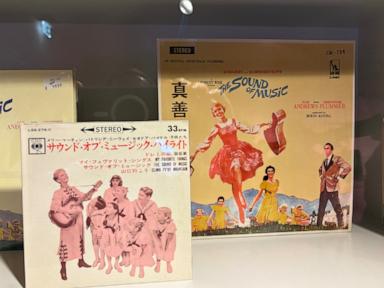
The new exhibition tackles these discrepancies head-on. Housed right on the grounds where parts of the film were shot, the museum displays roughly 450 items. You'll find original costumes, rare cinema posters, vintage props, and recordings that document how Maria Kutschera's 1949 memoir transformed into a Broadway smash and then a five-time Oscar-winning cinematic giant.
What You'll Actually Experience Inside
You aren't just walking past glass cases filled with old paper. The layout focuses on immersion.
The crown jewel of the exhibit is a full-scale, true-to-scale replica of the famous glass gazebo. While the original landmark sits nearby in the park, this indoor version features a state-of-the-art 360-degree cinematic projection room. You can step inside and find yourself completely surrounded by a 3D recreation of the "Sixteen Going on Seventeen" sequence.
It's a clever way to honor the pop culture phenomenon while grounding visitors in the geography of Salzburg.
Curators also use the space to address the darker, real-world history that Hollywood compressed for dramatic effect. The annexation of Austria by Nazi Germany in 1938 forced the family to make harrowing choices. The museum details their eventual escape, their time traveling as the Trapp Family Singers, and how they built a completely new life in the United States.
Planning Your Visit Without the Fuss
If you're heading to Austria anytime soon, managing your itinerary matters. The museum operates out of Hellbrunn Palace, but keep one practical detail in mind if you are booking local transit or sightseeing packages. Standard bus tours like the Original Sound of Music Tour don't automatically bundle museum admission into their base ticket price. You'll want to plan a dedicated block of time to walk through the exhibits independently.
Note the seasonal schedule if you are plotting out an autumn or winter trip. The venue stays open daily through November 1st before closing for the winter months and reopening in March.
Stop treating the movie as a completely factual documentary. Go to Salzburg, watch the hills, walk through Hellbrunn, and appreciate the strange, beautiful way real human survival got transformed into movie history. Grab your tickets ahead of time, block out a full afternoon, and see the real story behind the music.