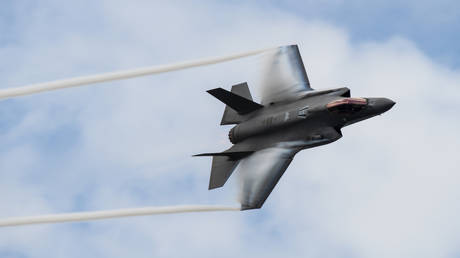
Big military alliances don't form in a vacuum. When Turkiye, Saudi Arabia, and Pakistan move to sign a joint defence agreement, the rest of the world stops to watch. This isn't just another diplomatic photo op. It's a hard shift in regional power dynamics that rewrites security calculations from South Asia to the Persian Gulf.
If you've been tracking regional politics, you know the groundwork was laid back when Pakistan and Saudi Arabia inked their bilateral Strategic Mutual Defence Agreement. Now, adding Ankara into the mix changes the math completely. Let's break down what is actually happening, why these nations are locking arms right now, and what it means for global stability.
The Real Drivers Behind the Trilateral Alliance
You have to look at the current threat environment to understand why this pact is moving so fast. Months of friction, proxy clashes, and maritime disruptions in the Gulf have exposed vulnerabilities for middle powers. Riyadh wants reliable air and drone defense. Ankara wants financial muscle and shared tech pipelines for heavy industrial defense projects like its KAAN fighter jets. Islamabad wants strategic depth and economic stabilization.
Instead of relying solely on traditional Western security umbrellas that shift with every political cycle in Washington, these three capitals are building their own house. They bring different assets to the table. Turkiye brings elite drone manufacturing and tactical battle experience. Pakistan brings conventional military weight, troop deployments, and strategic deterrence capabilities. Saudi Arabia brings capital and massive economic leverage.
Decoding the Islamic NATO Label
Western media loves slapping labels like "Islamic NATO" onto any military cooperation between Muslim-majority states. It sounds catchy. It also misses the mark.
NATO is an integrated command structure built around a collective defense clause where an attack on one is an attack on all. This new trilateral arrangement functions more pragmatically. It's built on shared economic interests, industrial defense manufacturing, and mutual deterrence rather than an integrated offensive doctrine. Pakistan's defense leadership has repeatedly noted that regional security frameworks aim to minimize external dependency rather than pick fights with outside powers.
Yet, the deterrence factor cannot be ignored. Following Pakistan and Saudi Arabia's previous bilateral pact—which mandated that aggression against one treats the other as a primary target—bringing Turkiye into a coordinated security framework creates a massive bloc. We are looking at a combined active military personnel pool numbering in the millions, advanced air defense networks, and industrial defense output that outpaces most European subsets.
What This Means for Global Trade and Security
Energy corridors dictate global economics. When the Strait of Hormuz faces disruptions or regional wars threaten oil supply lines, nations panic. This pact is designed to insulate member states from external shocks.
If you run a supply chain or monitor international logistics, look at how regional security is privatized. Saudi Arabia has spent decades buying defensive hardware. What they lacked was indigenous operational synergy. Turkiye solved its own security needs by developing world-class uncrewed aerial vehicles that proved decisive in multiple modern conflicts. Marrying Turkish hardware with Saudi funding and Pakistani military depth creates a self-sustaining security ecosystem.
Critics argue that overlapping alliances complicate local diplomacy. They aren't wrong. New Delhi has already made it clear that India is closely monitoring these developments to safeguard its own national security matrix. Other regional players like Iran and Israel are watching their borders very carefully.
Moving Forward
This agreement signals the end of unipolar security management in the Middle East and South Asia. Middle powers are tired of waiting for external guarantors to protect their sovereign airspace and trade routes. They are drafting their own terms of survival. Keep a close eye on joint military manufacturing deals and tactical exercises over the coming months. That is where the real teeth of this alliance will show.