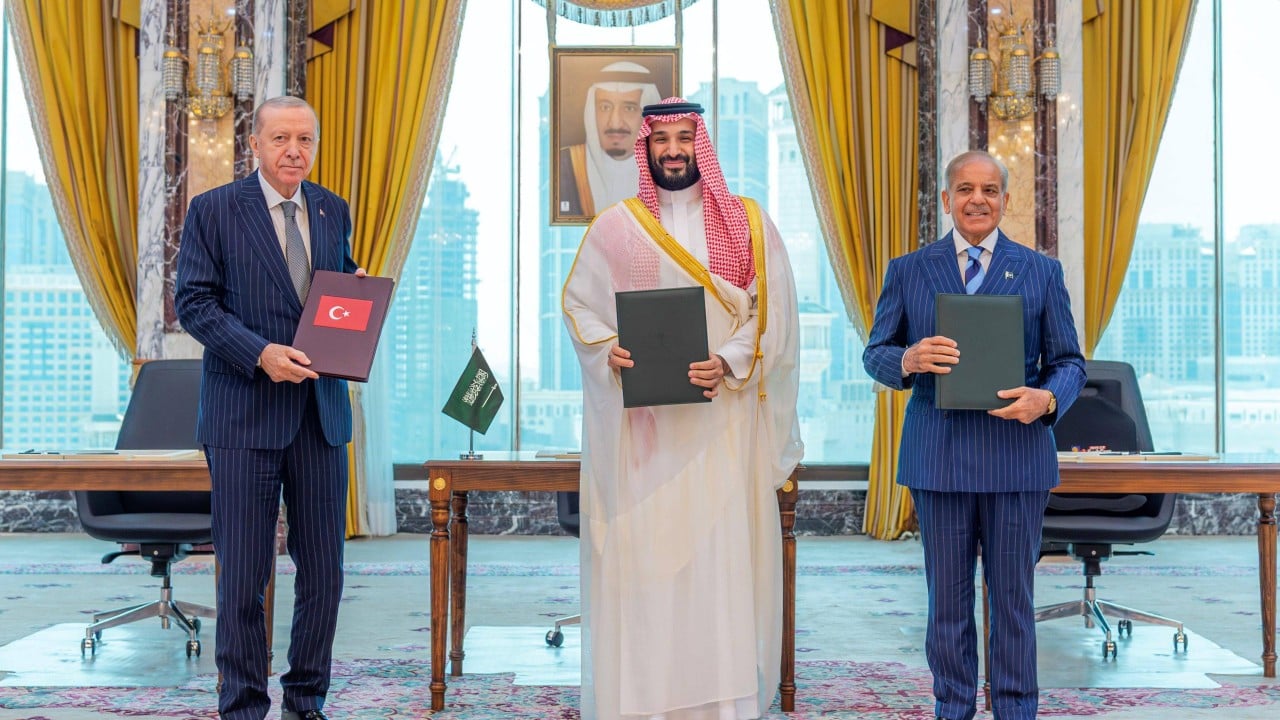
An attack on one is now an attack on all. That is the core premise of the Mecca Joint Defense Agreement signed by Saudi Arabia, Turkey, and Pakistan. When Turkish President Recep Tayyip Erdogan, Saudi Crown Prince Mohammed bin Salman, and Pakistani Prime Minister Shehbaz Sharif put pen to paper in Saudi Arabia, they didn't just sign a piece of paper. They redrew the strategic map of West Asia and South Asia. Erdogan isn't stopping with these three heavyweights either. He wants to draw more nations into the fold, building an expansive security umbrella that stretches from the Mediterranean to the Arabian Sea.
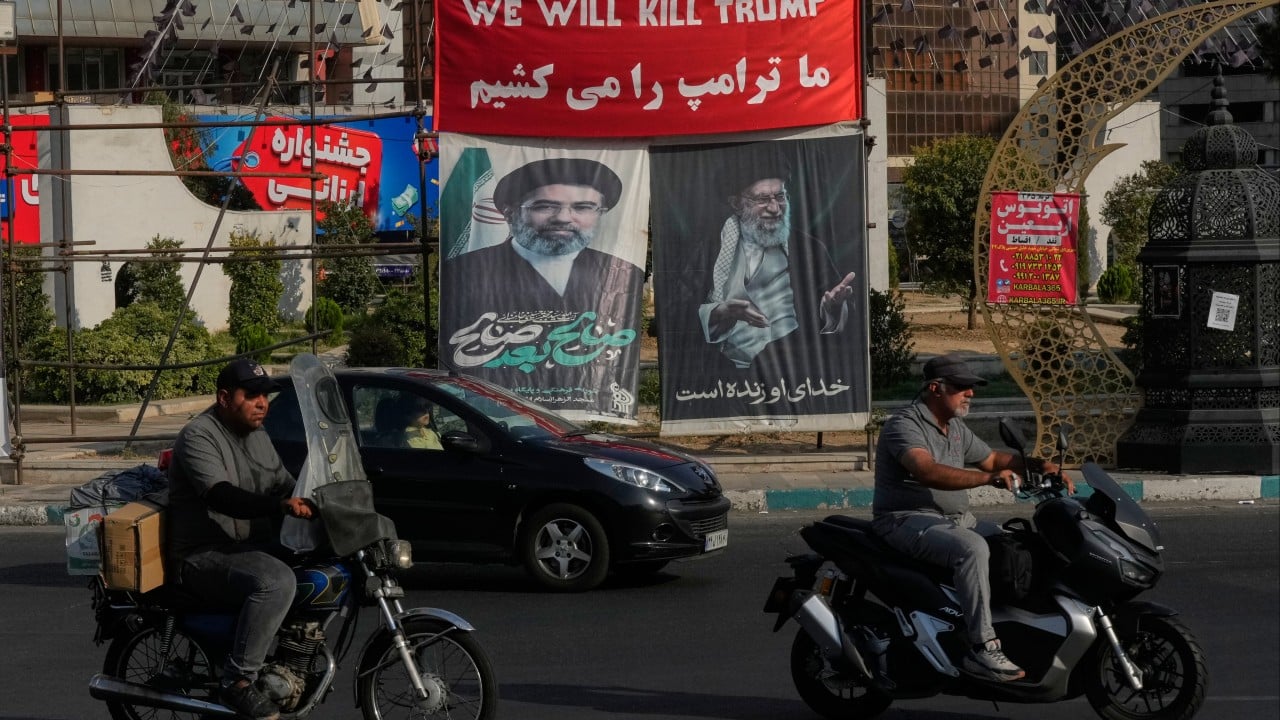
If you are wondering why this alliance matters right now, look at the crumbling security architecture of the Middle East. Traditional security guarantees are losing their weight. The ongoing conflicts involving Iran, combined with relentless Houthi attacks on vital infrastructure and shipping lanes, have left Gulf capitals looking for new anchors. Washington is no longer viewed as the reliable, all-weather security guarantor it once was. Riyadh is adapting by diversifying its defense partnerships, pairing its unmatched economic heft with Turkish military manufacturing prowess and Pakistan's formidable military infrastructure—including its status as the Islamic world's sole nuclear-armed state.
Breaking Down the Mecca Agreement
The agreement mirrors the collective defense logic of NATO's famous Article 5. An armed strike against Riyadh, Ankara, or Islamabad triggers a collective response. Yet, comparing this directly to NATO misses the mark. NATO boasts decades of integrated command structures, permanent joint headquarters, and automated operational protocols. The Mecca pact is currently a political and strategic statement of intent rather than a fully integrated military machine.
Even so, you shouldn't underestimate its operational teeth. Turkey brings NATO's second-largest military and world-class combat drones to the table, items that Saudi Arabia has actively procured. Pakistan provides seasoned military personnel, tactical depth, and strategic deterrence. Saudi Arabia supplies the financial engine and diplomatic gravity. This trilateral alignment builds upon existing bilateral frameworks, such as the Strategic Mutual Defense Agreement signed between Riyadh and Islamabad previously.
Erdogan Vision for Regional Expansion
Erdogan's push to widen the alliance to include other regional countries is where things get genuinely interesting. Turkish officials have maintained that the pact is strictly defensive, non-sectarian, and open to friendly states sharing a vision for stability.
Who might join next? Analysts are already looking at other regional players feeling squeezed by shifting power dynamics. Countries across North Africa and Central Asia that maintain close military ties with Ankara or Riyadh could find themselves courted. By keeping the door open, Erdogan is positioning the pact as an inclusive security cooperative rather than an exclusive boys club.
However, expansion comes with immediate friction points. Israel has watched Turkey's rise with growing unease, with some political figures openly labeling Ankara a primary strategic concern. Meanwhile, New Delhi is tracking these developments closely. Saudi Arabia's deepening integration with a Pakistan-Turkey-China axis introduces new variables into India's delicate balancing act in the Gulf.
What This Means Moving Forward
Don't expect immediate massive troop deployments or joint naval armadas patrolling tomorrow morning. Security architectures take years to mature. The immediate value of this pact lies in psychological and political signaling. It tells regional adversaries that unilateral aggression against any single member carries a heavy multi-nation cost.
If you are tracking global defense trends, pay attention to joint military exercises and defense technology transfers between these three capitals over the coming months. Watch for whether other nations take up Erdogan's invitation to join. The security layout of the region is shifting away from reliance on Western superpowers toward self-reliant regional coalitions. This pact is the loudest proof yet that the old rules no longer apply.