You've probably heard the usual pitch about Thailand. Golden beaches, buzzing night markets, and crowded temple complexes in Bangkok or Chiang Mai. But if you think you've seen it all, you're missing a massive piece of the puzzle. Southern Thailand just scored its very first UNESCO World Heritage Site, and it's about time.
After a grueling fourteen-year campaign, Wat Phra Mahathat Woramahawihan in Nakhon Si Thammarat has officially joined the prestigious global list. This isn't just another shiny badge for the tourism board. It marks a fundamental shift in how international travelers will experience the country, pulling focus away from over-touristed hotspots and directing it toward the culturally rich southern peninsula.
The Story Behind the Stones
Founded way back in the eighth century, this monastery is an architectural and spiritual heavyweight. It isn't just a pretty backdrop for your vacation photos. It stands as a physical archive of ancient global exchange, blending Brahmanical, Hindu, Mahayana, and Theravada Buddhist traditions into a single complex.
Look closely at the structures. You'll spot design elements tracing back to India's Pala-Nalanda tradition, Central Java, Sri Lanka, and Mon culture from Myanmar. The crown jewel of the compound is the towering Phra Borommathat Chedi, a Sri Lankan-style stupa rising seventy-eight meters into the sky. It reportedly houses a sacred relic of Gautama Buddha, making it a living spiritual center that has drawn pilgrims for over a thousand years.
Unlike museum exhibits trapped behind glass, this place breathes. Local communities still practice centuries-old traditions here. Take the famous Hae Pha Khuen That festival, where people carry a massive bolt of sacred cloth around the base of the grand stupa. Traditional southern performing arts like the Nora dance drama also trace their deep roots right back to this sacred soil.
Why This Changes Thai Tourism
For years, Thailand's tourism economy relied heavily on predictable routes. Millions of visitors funnel through Bangkok, zip up to Chiang Mai, and island-hop across Phuket or Phi Phi. Southern peninsular provinces like Nakhon Si Thammarat often sat quietly in the background, bypassed by mass tourism.
This UNESCO inscription acts as a long-overdue megaphone.
- Geographic Spread: It forces a redistribution of travelers, pulling foot traffic down into the southern provinces.
- Conservation Funding: Official status unlocks serious resources for long-term site preservation and sustainable management.
- Cultural Depth: It shifts traveler expectations away from superficial sightseeing and toward immersive heritage experiences.
Government officials and local monks marked the announcement in Busan with emotional celebrations, sounding ceremonial gongs and chanting blessings. They know what this means. It's a catalyst for sustainable economic growth that rewards authentic heritage protection over quick tourist traps.
How to Plan Your Visit
If you want to experience this newly crowned wonder before the mass tour buses completely catch on, you need a smart game plan.
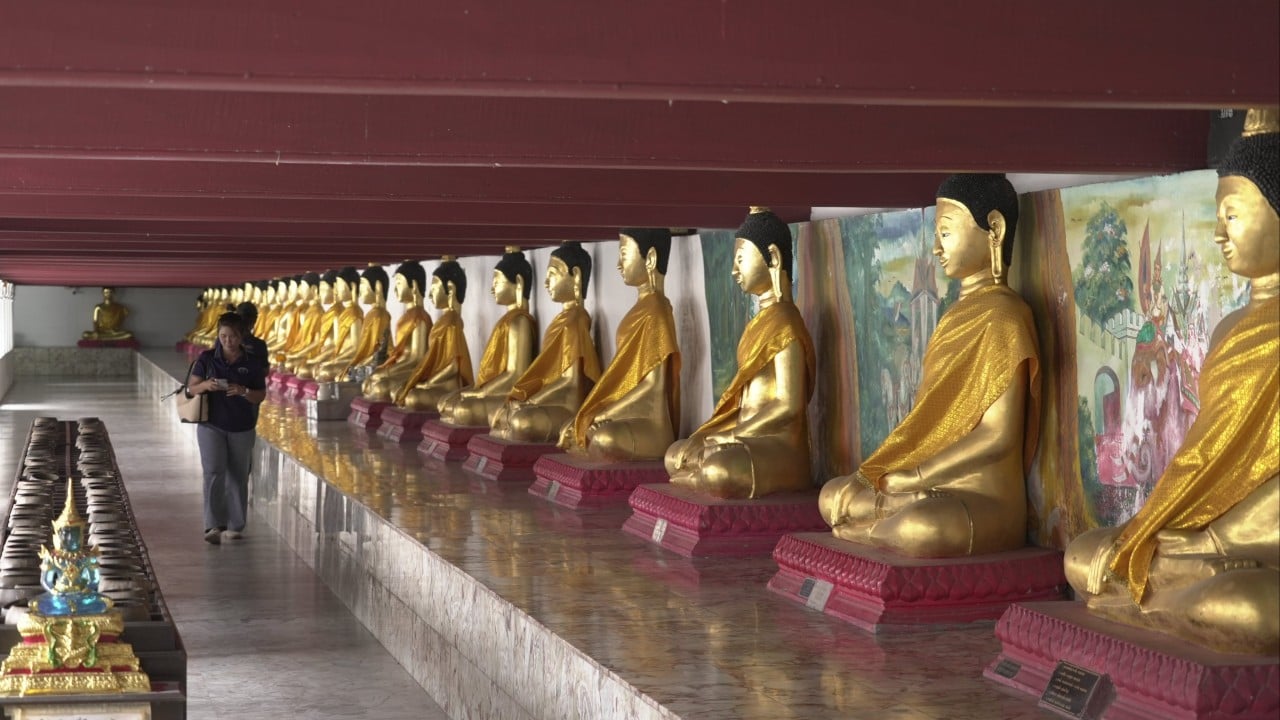
Skip the rushed day trips. Nakhon Si Thammarat is easily accessible via domestic flights from Bangkok, but you need at least two full days to absorb the atmosphere. Spend a morning walking through the temple grounds, observing the intricate guardian deities and gilded statues without the claustrophobic crowds found further north.
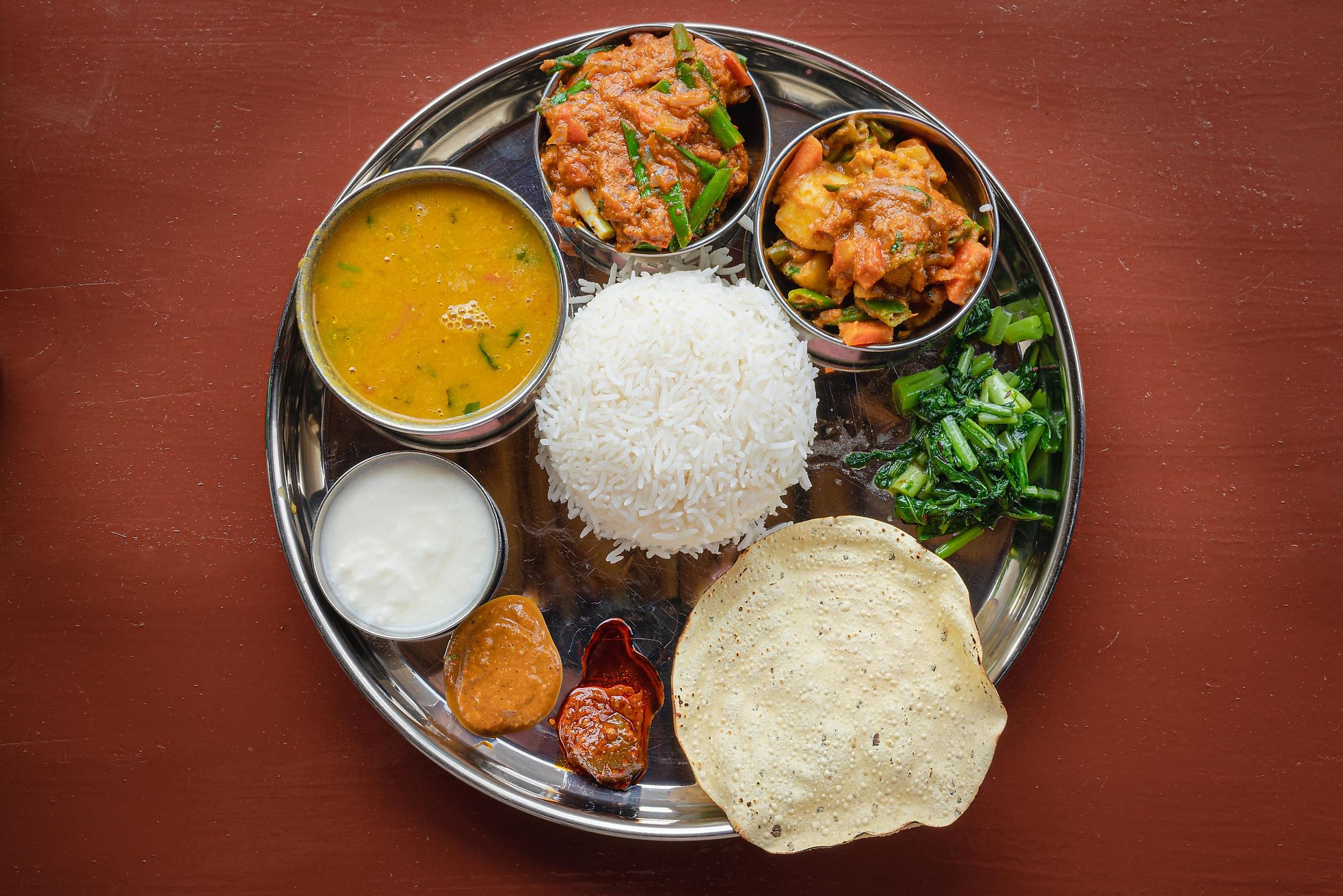
Respect the local customs. Dress modestly, covering your shoulders and knees, and keep your voice down within the active worship areas. Pair your temple visit with a dive into local southern food—known for its fiery, turmeric-heavy curry pastes that taste entirely different from central Thai cuisine.
Stop treating southern Thailand as a mere transit point to reach the ferry terminals. The region's true soul is carved in stone, wrapped in sacred cloth, and waiting for you to notice.