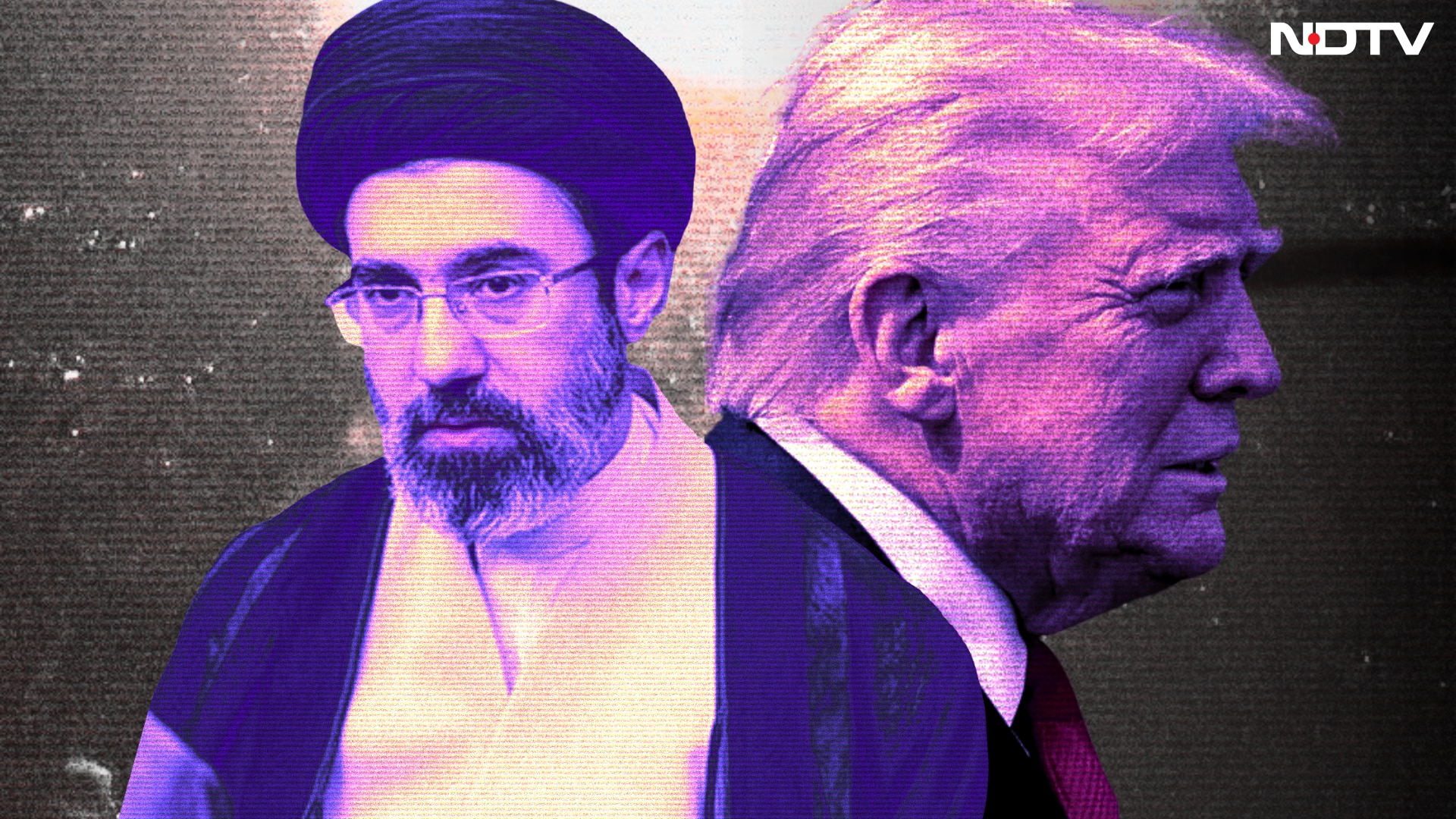
Donald Trump just signed a peace deal with Iran over a dinner of all things. It happened at the Palace of Versailles during a private meeting with French President Emmanuel Macron right after the G7 summit. White House officials confirmed the signature, and Tehran quickly backed it up. This brings a sudden, screeching halt to over three months of brutal, destructive warfare in the Middle East. Warfare that kicked off back in February and shook global energy markets to their absolute core.
Now comes the hard part.
Iranian Foreign Ministry spokesman Esmaeil Baqaei announced that the text of the Islamabad Memorandum of Understanding is finalized. But his follow-up statement carried a heavy dose of skepticism. He noted that it is now time to test the implementation of the agreement. That is diplomatic speak for "we signed the paper, but we don't trust you as far as we can throw you."
For anyone watching the Middle East, the skepticism is completely justified. This isn't a magical fix to decades of deep-seated hatred. It is a highly volatile, high-stakes political experiment. It could stabilize the region, or it could fall apart by next week.
Inside the Leaked Fourteen Point Agreement
The official text has stayed mostly under wraps. Yet a leaked copy of the memorandum published by Al-Arabiya gives us the exact roadmap the two nations are using. The details show that Washington and Tehran are trying to dismantle a massive web of conflict all at once.
First, the deal demands an immediate and permanent end to the war on all fronts. This explicitly includes Lebanon, where heavy fighting between Israel and Hezbollah has raged. Under the framework, Iran will immediately begin de-mining and fully reopening the Strait of Hormuz. That is the world's most critical maritime choke point. Trump promised the shipping lane would be completely open for business by Friday.
In exchange, the economic golden ticket for Tehran is massive. The United States will lift its crushing sanctions. This allows Iran to sell its crude oil freely on the global market without any restrictions. To jumpstart their crippled economy, a three hundred billion dollar fund will be established to back Iranian development.
Then there is the nuclear question. The United States got its core demand. Iran has agreed to never build or acquire nuclear weapons. Trump has repeatedly bragged about this specific point, shouting it from the rooftops at the G7 summit. He insists that under his watch, a nuclear Iran is permanently off the table.
The Secretive Versailles Dinner Deal
The way this deal came together tells you everything you need to know about modern diplomacy. Forget weeks of public handshakes and formal summits in Geneva. This was hammered out behind closed doors through backchannel mediators in Pakistan, followed by a swift stroke of a pen over steak in France.
The second round of official talks in Pakistan actually failed in April. Iran's Foreign Minister Abbas Araghchi refused to sit in the same room as the American team. Trump grew deeply frustrated with the lack of progress. He openly complained about his envoys taking long flights just to get ignored. He told his team to handle it over the phone instead.
That aggressive, impatient approach changed the entire dynamic. It forced the negotiators to cut through the bureaucratic nonsense.
The killing of Supreme Leader Ayatollah Ali Khamenei on the very first day of the war changed everything inside Iran too. Trump claims he is getting along remarkably well with the current, newer leadership in Tehran. He called them smart negotiators who realized they had to make a deal to save their economy from total collapse.
The Immediate Global Economic Shockwaves
The economic impact of this signature was instantaneous. Shipping companies are already ordering their oil tankers back into the Persian Gulf. For ninety days, the Strait of Hormuz was an active combat zone. War risk insurance premiums had skyrocketed to impossible levels. Some fleets avoided the region entirely, forcing ships to take the long, expensive route around Africa.
With the framework agreement in place, those insurance rates are plummeting. Oil prices are stabilizing after months of terrifying volatility.
But the commercial deal has a hidden catch. Tehran intends to charge a transit fee to ships crossing the Strait of Hormuz after an initial sixty-day fee-free grace period. This condition was baked directly into the memorandum of understanding. It gives Iran an entirely new, highly lucrative revenue stream. It also gives them a permanent economic lever over international shipping. Washington accepted this condition just to get the oil flowing again.
Why Israel and Regional Allies Are Furious
The biggest threat to this peace deal doesn't come from Washington or Tehran. It comes from Jerusalem.
Israeli Prime Minister Benjamin Netanyahu wasted no time making his anger known to the world. He issued a blistering statement stating that this deal was not Trump's decision to make alone. Netanyahu pledged that Israel will never allow Iran to acquire nuclear weapons, regardless of whatever terms are written down on a piece of paper in Switzerland.
The deal effectively leaves Israel's northern border in a highly complex situation. The agreement guarantees an end to the war in Lebanon. However, intelligence reports suggest the interim deal will actually line the pockets of Hezbollah. Tehran has allegedly promised a massive surge of funding to its Lebanese ally the moment the oil cash starts flowing back into Iranian banks.
This leaves Israel facing a heavily funded adversary right on its doorstep, with its main superpower ally telling them to stand down. Trump has reportedly asked Netanyahu to take a softer touch when dealing with regional conflicts. That request is going down incredibly poorly in the Israeli security cabinet.
The Massive Political Fight Waiting in Washington
Back in the United States, Trump is facing an uphill battle to keep his own government behind the deal. The domestic political environment is completely fractured.
The US Senate just held a razor-thin vote on a resolution under the War Powers Law to block the White House framework. The resolution failed by a single vote, ending in a forty-eight to forty-seven split. That tells you exactly how fragile the political backing is at home. A single senator changing their mind could throw a wrench into the entire diplomatic apparatus.
Top Democrats are furious about the secrecy surrounding the Versailles signing. They are demanding full, immediate disclosure of every single annex in the fourteen-point document. They argue that Trump handed Iran an economic lifeline without getting verified, foolproof civilian nuclear oversight in return.
Even Vice President JD Vance has had to step up to defend the administration's policy publicly. He has spent days reassuring nervous lawmakers that the administration holds all the high cards. He insists that any violation by Tehran will result in the immediate re-imposition of even harsher economic sanctions.
What Happens in Switzerland on Friday
The formal, official signing ceremony is scheduled to take place at the Bürgenstock resort in Switzerland. Vice President JD Vance is flying out to meet the Iranian delegation to put the final, public stamps on the paperwork.
This resort will become the epicenter of global geopolitics for forty-eight hours. Swiss authorities have already locked down the entire mountainside to prevent protests or security disruptions. Pope Leo issued a public statement offering prayers of thanks for the interim peace, expressing hope that the formal ceremony will prevent a wider global conflict.
Yet the atmosphere at the resort will be thick with distrust. Both sides are entering this arrangement out of pure necessity, not newfound friendship. Iran needs the cash to prevent domestic rebellion. Trump needs to fulfill his campaign promise of ending foreign wars to protect his domestic political standing.
How to Track the Real World Fallout of This Deal
Do not just read the celebratory headlines on Friday. If you want to know if this peace deal will actually survive the summer, you need to watch specific, concrete indicators on the ground.
First, watch the shipping manifests in the Strait of Hormuz. Look for whether commercial oil tankers are passing through without military escorts. If de-mining operations lag or if Iranian gunboats continue to shadow Western commercial vessels, the deal is failing.
Second, monitor the financial flows. Watch how quickly the three hundred billion dollar development fund gets disbursed. Keep an eye on whether that capital goes toward Iranian infrastructure or winds up in the hands of regional militias in Iraq, Syria, and Lebanon.
Finally, watch the International Atomic Energy Agency reports. The true test of the Islamabad Memorandum is whether inspectors get unhindered, immediate access to Iranian facilities like Natanz and Fordow. If Tehran starts blocking inspectors or delaying visas, the deal will disintegrate instantly.
The signatures are on the paper. The war is paused. The real test begins now.