Washington just handed Donald Trump a massive economic weapon, and global markets are scrambling to figure out what happens next. The US House of Representatives passed the Lindsey O. Graham Sanctioning Russia and Iran Act of 2026 by a 262-159 margin, clearing the final legislative hurdle before landing on the president's desk. If you think this is just another routine foreign policy vote, you're missing the big picture.
This legislation isn't just about freezing bank accounts or slapping warning labels on Russian officials. It fundamentally changes how Washington can penalize nations that refuse to cut ties with Moscow's energy sector. If you liked this post, you should check out: this related article.
What the Legislation Actually Does
The core of the package targets the financial engines driving the conflict in Ukraine. It goes straight after Russian banks, government officials, and the notorious "shadow fleet" of aging tankers keeping Russian crude moving across oceans despite Western restrictions.
More importantly, it grants the executive branch explicit authority to levy tariffs of up to 100% on the top five global importers of Russian oil and natural gas. For another look on this development, see the latest update from Al Jazeera.
If a country relies heavily on Russian energy and refuses to pivot away, it faces direct economic retaliation at American ports. While European allies secured targeted exemptions due to their phased reduction efforts, major Asian buyers like India and China find themselves squarely in the crosshairs.
Supporters argue the threat of a 100% tariff gives the White House unprecedented leverage to force buyers off Russian petroleum. Critics counter that handing this much discretionary tariff power to an administration known for aggressive trade tactics risks alienating strategic partners and spiking consumer prices back home.
The Political Battle Behind the Vote
Getting this package through Congress was anything but easy. For months, the legislation stalled amid fierce partisan infighting. Many Democrats supported cracking down on Moscow but balked at expanding presidential tariff authority ahead of the upcoming midterm elections.
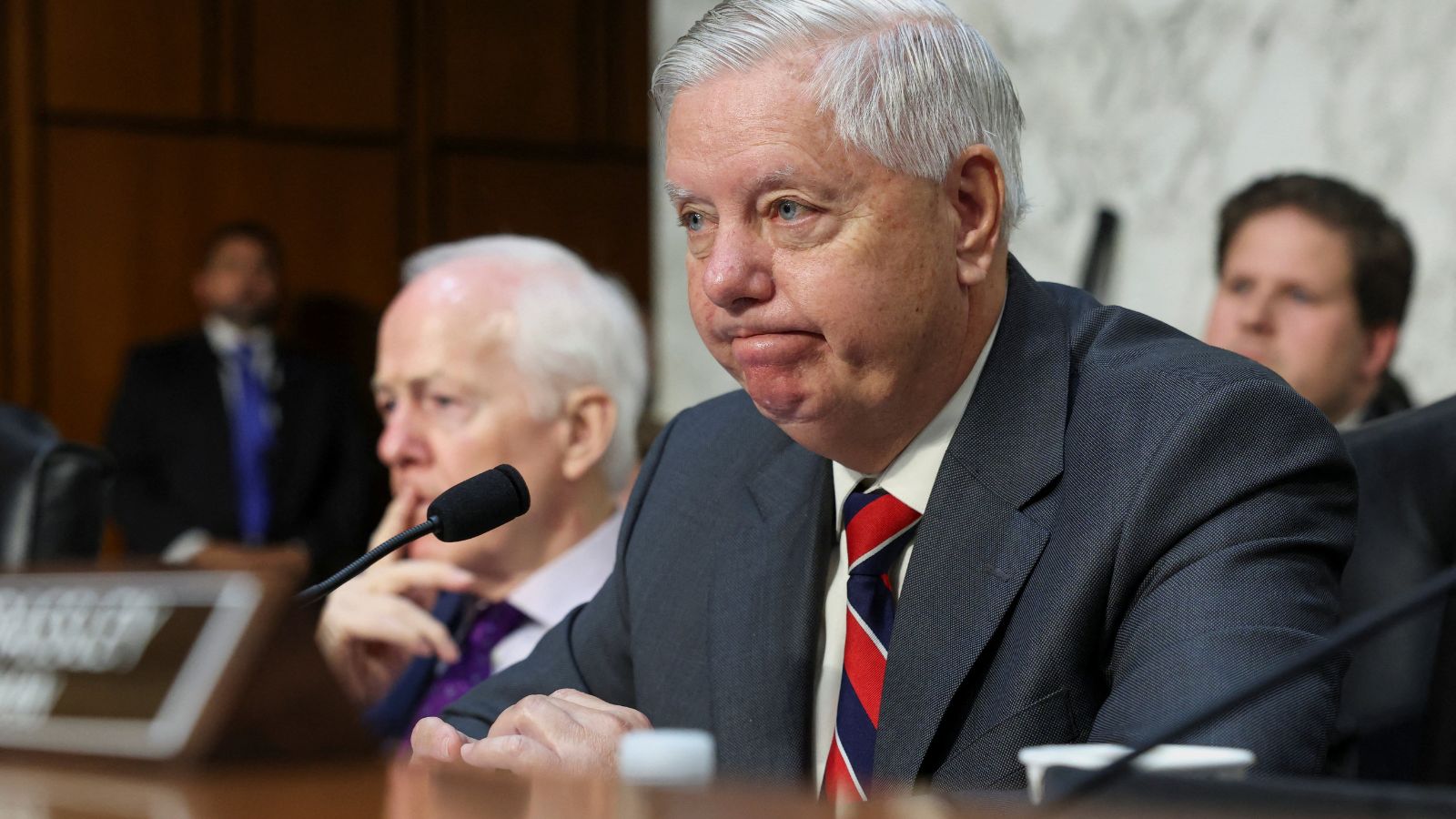
The momentum shifted only after intense negotiations brought the package to the floor. The late Senator Lindsey Graham spent over a year constructing the bipartisan framework, securing Trump's final backing by tying the Russia sanctions to a five-year extension of existing restrictions on Iran.
Ukrainian President Volodymyr Zelenskyy urged lawmakers to act swiftly, arguing that taking imperfect action beats doing nothing while the conflict drags on. House leaders finally forced the vote, proving that bipartisan consensus on foreign adversaries is still possible when the pressure gets high enough.
What Happens Next for Global Markets
Trump is expected to sign the bill into law without delay. But don't expect a 100% tariff on Indian or Chinese imports to take effect overnight.
The legislation provides statutory authority rather than an automatic trigger. The immediate question isn't whether sanctions launch tomorrow, but how aggressively the White House decides to wield its new leverage against major energy buyers.
Keep an eye on upcoming trade discussions between Washington and New Delhi. Nations buying discounted Russian crude now have to weigh those short-term savings against the long-term risk of losing lucrative access to American markets. The economic squeeze on Moscow just got real, and the ripple effects are only beginning.
U.S. House Passes Lindsey Graham Russia Sanctions Bill 262-159
This video provides a direct overview of the House vote and the legislative details behind the new sanctions package.
http://googleusercontent.com/youtube_content/1