Moscow only understands one language: severe economic pain. Kyiv has argued this point for years, watching standard diplomatic appeals bounce off the Kremlin walls while the war grinds on. Now, a massive new sanctions package from Washington hands Ukraine a fresh instrument of pressure.
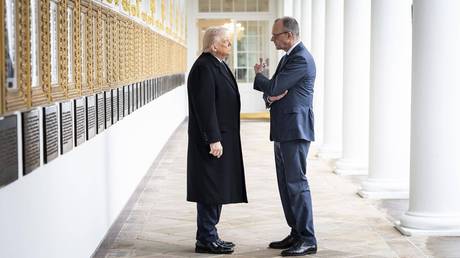
Congress just passed the long-awaited Lindsey O. Graham Sanctioning Russia and Iran Act of 2026, sending the sweeping legislation straight to President Donald Trump's desk. The House approved the measure 262-159 following an 86-11 landslide in the Senate last month. It's the most aggressive legislative push to support Ukraine since the 2024 emergency aid package broke through years of legislative gridlock.
The Core Mechanics of the New Legislation
What does this bill actually do? It doesn't just slap a few wrist-slaps on low-level bureaucrats. The measure mandates blanket sanctions against Russian state institutions, key financial players, and the notorious "shadow fleet" of tankers moving Russian oil under the radar.
More importantly, it grants the executive branch the authority to slap tariffs of up to 100 percent on major buyers of Russian energy. Major importers like China and India now sit directly in the crosshairs of potential economic penalties designed to cut off the cash flow funding the Russian war machine.
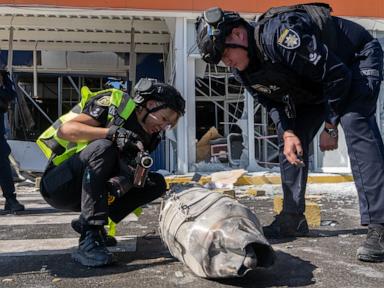
Ukrainian President Volodymyr Zelenskyy called the vote symbolic while pointing out the brutal reality on the ground. The House passed the bill on the exact night Russia launched another massive air assault across Ukrainian population centers. Kyiv views economic sanctions as a vital complement to its own long-range drone strikes on Russian refineries and energy infrastructure.
Why Enforcement Remains the Real Question
Passing a bill in Washington is the easy part. Making it work in the real world is entirely different.
The legislation leaves immense discretion in the hands of President Trump. The White House holds the authority to issue waivers or scale back tariff enforcement under specific conditions. Trump campaigned on ending the war quickly through direct negotiation rather than piling on economic pressures, viewing past approaches with skepticism.
This creates a tense balancing act. Lawmakers split down party lines over these exact concerns. Supporters argue the tariff threats are necessary to deter foreign buyers from propping up Moscow's budget. Critics warn the administration could wield these powers too broadly against traditional allies or simply choose not to enforce the measures at all.
Tom Keatinge, director of the Centre for Finance and Security at RUSI, noted that the immediate benefit for Kyiv is political solidarity rather than an overnight economic collapse in Moscow. Signaling unyielding legislative backing sends a clear message to the Kremlin. Yet, Ukrainian officials want immediate, hard-hitting execution rather than empty gestures.
The Strategic Reality for Kyiv
For months, Ukrainian diplomats lobbied relentlessly to secure this package. The late Senator Lindsey Graham spent more than a year building bipartisan consensus alongside Democratic Senator Richard Blumenthal, ultimately tying the Russia provisions to a five-year extension of Iran sanctions to win White House acceptance.
Will it force Vladimir Putin to the negotiating table? Kremlin spokesperson Dmitry Peskov immediately labeled the move an "unfriendly action" that complicates peace efforts, proving the legislation struck a nerve.
Yet, Ukraine knows that text on paper doesn't stop missiles. The real test begins the moment Trump signs the bill. If enforcement falters, the legislation becomes little more than expensive political theater. If enforcement hits hard, it strips the Kremlin of the resources it desperately needs to sustain its military campaign.
Kyiv is watching closely. The tools are finally on the table, but the hand that wields them decides the outcome.
U.S. Congress passes Russia sanctions bill | Morning Report
This video provides a morning report detailing the U.S. Congress passing the new sanctions bill against Russia, complete with updates on regional strikes and energy market reactions.
http://googleusercontent.com/youtube_content/1