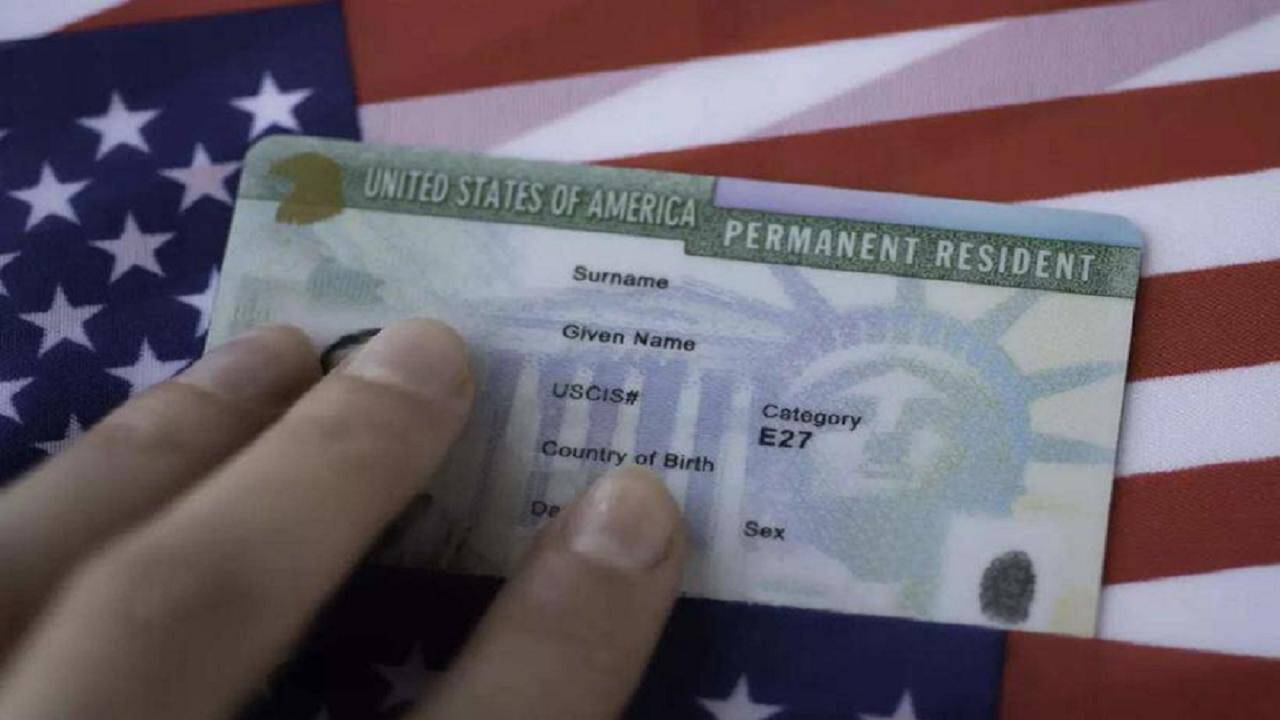
If you think a missing document on your immigration petition is just a minor speed bump, you are walking into a trap. The United States Citizenship and Immigration Services just handed its adjudicating officers full authority to issue outright denials on H-1B visas, employment-based green cards, and status extensions without ever sending a Request for Evidence or a Notice of Intent to Deny first.
Gone are the days when a simple clerical oversight or a forgotten tax document meant a friendly warning pause. Now, a single missing initial signature or an unverified corporate hierarchy sheet can end your multi-year petition cycle overnight. Immigration lawyers and former agency advisors are sounding alarms, calling the updated guidance a severe blow to administrative fairness.
The Death of the Safety Net
For years, the standard procedure relied on Requests for Evidence (RFEs) to bridge gaps between what applicants submitted and what federal officials needed. If a corporate sponsor forgot an itinerary or an academic evaluation lacked an equivalency seal, an officer paused the case and asked for it.
That buffer is gone. Under the revised internal manual, the burden sits entirely on you to submit a bulletproof, flawless file the exact moment it hits the intake desk. If something is missing, officers possess total discretion to stamp it denied.
The agency claims this weeds out meritless applications and speeds up processing queues. But seasoned practitioners know how fast reality breaks theory.
Where the System Breaks Down
Immigration attorneys dealing with corporate sponsors day in and day out point out glaring structural flaws in this approach.
Human adjudicators make errors. They misread corporate restructuring documents, overlook evidence tucked away in supplementary exhibits, or apply niche policy memos incorrectly. Previously, an RFE gave legal teams a built-in mechanism to point back at page four and say, "Actually, it is right here."
Without that warning stage, a human or algorithmic mistake turns into an instant terminal rejection.
Technology plays a heavier role here than leadership admits. Automated screening tools and artificial intelligence systems now scan electronic submissions for anomalies before a human case officer opens the file. These algorithms flag perceived inconsistencies with zero contextual nuance. When combined with zero-tolerance denial policies, applicants face an uphill battle against automated triage systems that lack common sense.
Premium Processing is Not Immune
Many corporate immigration teams rely on premium processing fees to guarantee a fast turnaround. Yet, those processing pipelines are already clogged. Allowing officers to issue instant rejections doesn't mean they review files deeper or faster. It simply means they close cases quicker by saying no.
If you run an HR department sponsoring tech talent or manage a specialized engineering team on H-1B status, your financial risk just multiplied. Filing fees are steep, and throwing thousands of dollars at a petition only to watch it get junked over a minor administrative omission hurts both employer retention and employee stability.
Navigating the New Normal
You cannot afford to treat immigration paperwork like a rough draft anymore. Because appeal cycles and motions to reopen take months or years to resolve, a sudden denial disrupts your entire life, career trajectory, and family stability.
Audit every single filing package twice. Do not rely on automated form-fillers or junior paralegals to catch intricate structural requirements for specialized occupations. Assume that whatever you upload on day one is your only shot at approval, because under these updated directives, the agency is no longer interested in helping you fix your mistakes.