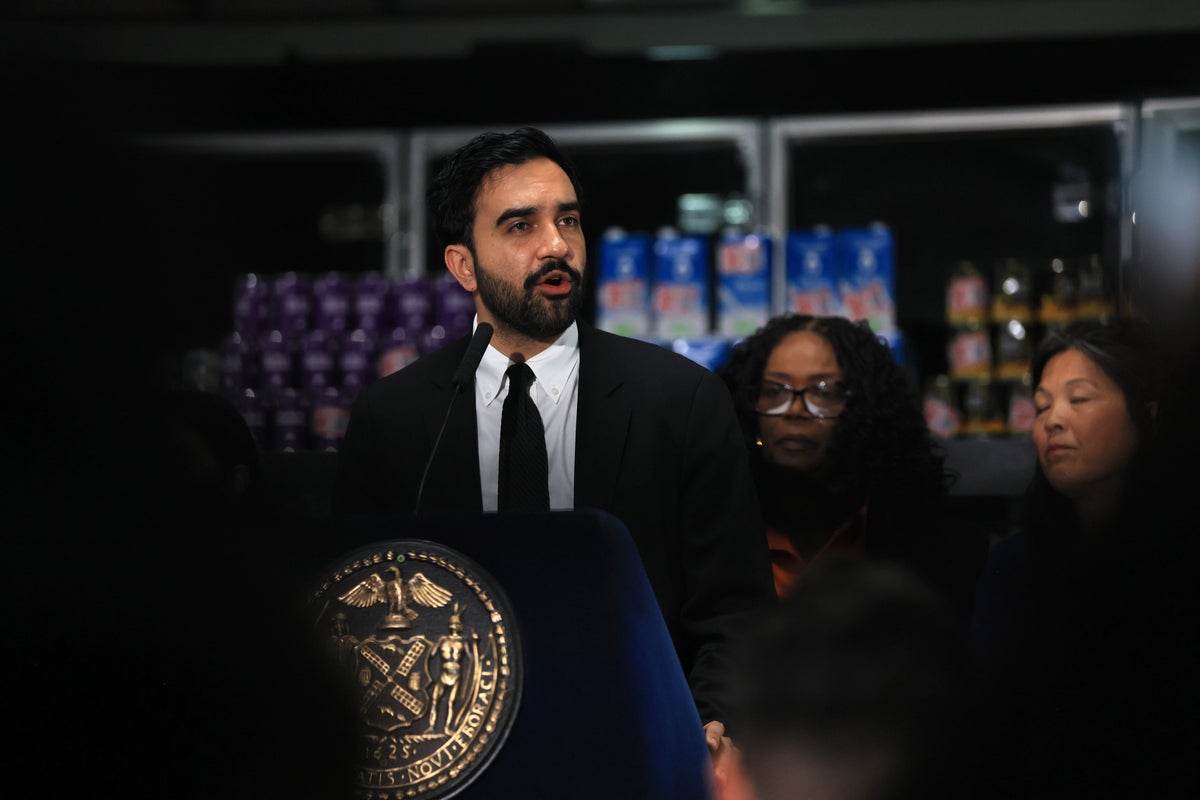
You don't need a political science degree to see that Washington thrives on manufactured outrage. The latest flashpoint involves New York City Mayor Zohran Mamdani and a simple question about grocery store discounts.
When City Hall floated the idea of requiring identification to access subsidized staple items at municipal grocery stores, conservative heavyweights pounced. Donald Trump, Elon Musk, and Senator Rick Scott immediately highlighted the apparent double standard. After all, left-leaning politicians frequently brand voter ID requirements as voter suppression, yet here was a progressive administration proposing identification checks to buy cheap milk and eggs.
Mamdani hit back hard, calling the comparison absurd. But looking past the social media posturing reveals a deeper structural debate about resources, access, and political consistency.
The Core Controversy Behind the Municipal Grocery Plan
The entire saga started when the Mamdani administration detailed its plan to open city-owned grocery stores across the five boroughs. The goal sounds straightforward enough: tackle food insecurity by offering a 30% discount on staple goods for local residents.
To keep outsiders from clearing the shelves or commercial resellers from exploiting the discounted inventory, city officials mentioned using a library-card-style system or state identification to verify residency.
Critics seized on that administrative detail instantly. Senator Rick Scott framed it bluntly, arguing that demanding an ID for discounted food while labeling voter verification corrupt is inherently contradictory. President Trump echoed the sentiment during an Oval Office exchange, telling reporters he wishes the voting booth had the exact same standard.
Why Comparing Groceries to Ballots Falls Short
If you look at the surface-level mechanics, the conservative argument has punchy rhetorical value. An ID is an ID, right? You show a card, you get what you came for.
Except public administration doesn't work that way. Grocery stores and ballot boxes serve fundamentally different functions in a democratic society.
Buying state-subsidized groceries is an economic transaction tied to municipal tax dollars. The city is distributing a finite physical resource—discounted food paid for by local taxpayers. Preventing waste, fraud, and commercial reselling requires inventory control.
Voting, on the other hand, is a fundamental constitutional right. Placing barriers in front of the ballot box directly impacts civic participation. Historic patterns show that strict voter ID laws often disproportionately disenfranchise low-income, minority, and elderly citizens who lack ready access to specific documentation.
Conflating inventory management with ballot access ignores the distinct legal framework governing each. One is retail economics; the other is constitutional franchise.
The Weak Spot in Progressive Rhetoric
At the same time, progressives make tactical errors when they react defensively to these comparisons. Labeling every single form of identification requirement as inherently malicious leaves politicians vulnerable to easy counterattacks.
When city officials casually suggest checking IDs for food while simultaneously opposing voter identification laws, opponents get an easy layup on messaging. Politics is largely about perception. If you want voters to understand why ballot access laws differ from municipal retail rules, you have to explain the distinction clearly instead of dismissing valid questions as insane.
Municipal programs need gatekeeping to protect public funds. Elections need accessibility to protect representative government. Both statements can be true at once, but bridging that logic gap requires nuance that rarely fits into a social media post.
What Comes Next for the NYC Grocery Experiment
The political noise will eventually fade, but the logistical hurdles facing New York City remain massive. Opening city-run supermarkets by 2030 is an aggressive timeline. Private grocers are already pushing back against state-backed competition, and local officials still have to finalize how residency verification will actually work without creating bureaucratic bottlenecks.
Whether the grocery initiative succeeds or collapses under its own weight, the debate exposed a permanent truth about modern politics. Every policy choice becomes fodder for the next national culture war.
Watch how both parties weaponize administrative minutiae. Keep a close eye on how municipal programs handle actual execution rather than campaign promises. Look past the headlines to see who benefits from the division.