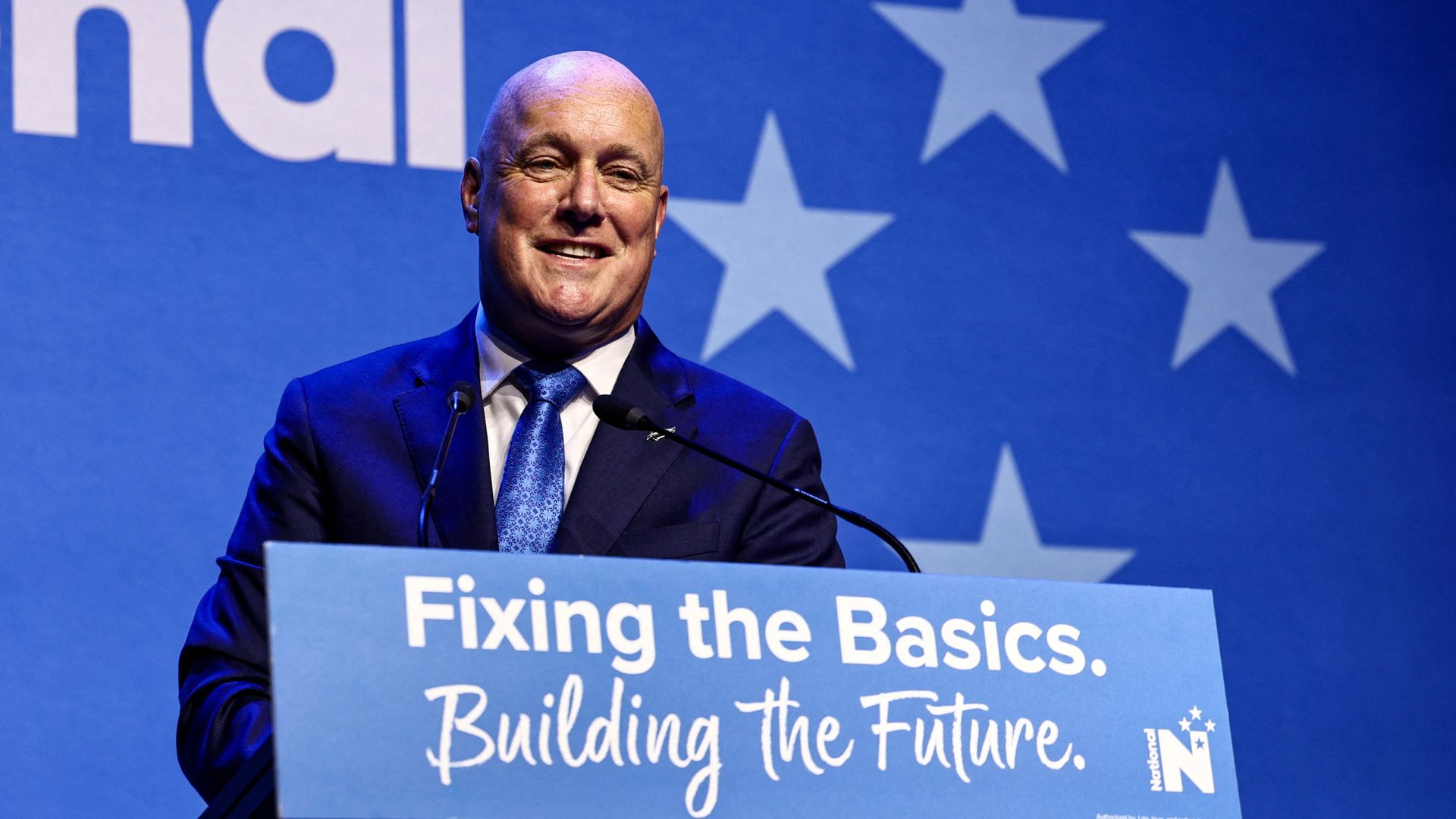
Democracy in New Zealand rarely offers clean, sweeping mandates. Instead, the country's political landscape breeds high-stakes cliffhangers where a few thousand special votes dictate the fate of the nation. When preliminary results point to a razor-thin conservative majority, everyone breathes in, knowing that the real battle has barely begun.
You cannot understand modern New Zealand politics without looking at how the electoral system works. Under the Mixed Member Proportional system, outright majorities are basically extinct unicorns. Parties must form messy, pragmatic, sometimes volatile coalitions to govern. That structural reality is precisely why recent general elections leave voters staring at incomplete tallies for weeks, waiting to see which minor parties hold the balance of power.
The Special Vote Factor That Changes Everything
Preliminary tallies on election night never tell the full story. Hundreds of thousands of special votes—ballots cast by overseas citizens, travellers, or people enrolling on election day—take weeks to process. History shows these late-arriving votes lean away from the right, often chipping away at conservative margins while throwing lifelines to the left and minor entities.
When leaders step up to podiums on election night to declare the race too close to call, they aren't just being cautious. They know that a wafer-thin parliamentary cushion can evaporate overnight once the Electoral Commission finishes counting every last overseas envelope.
Why Minor Parties Hold All the Cards
Small parties on both ideological flanks command massive leverage in these environments. Whether it is a libertarian bloc pushing for deep spending cuts or populist movements demanding a different economic playbook, major party leaders have to swallow their pride. Forming a government means cutting backroom deals, trading ministerial portfolios, and managing massive egos.
Voters frequently express frustration at how fringe groups end up steering national policy. Yet, that is the literal design of proportional representation. It forces compromise, even when nobody wants to compromise.
What Happens Next
The wait for final results creates a strange political vacuum. Civil servants keep ministries running, but major policy shifts freeze. Markets watch closely, currency traders react to every micro-shift in polling data, and negotiators quietly open backchannels in Auckland and Wellington hotels.
If you are following this political drama, stop looking at the preliminary numbers as gospel. The real pivot happens behind closed doors while the legal tallies tick upward. Governments built on razor-thin margins rarely run smoothly, and the upcoming weeks of deal-making will test every ounce of political stamina in the capital.