Why a Two-Day-Old Baby's Death in Eastern Senegal Matters Right Now
A baby girl was born at a health post in Sadatou, eastern Senegal, on November 11, 2026. Two days later, she was dead after an excision carried out behind her parents' backs.
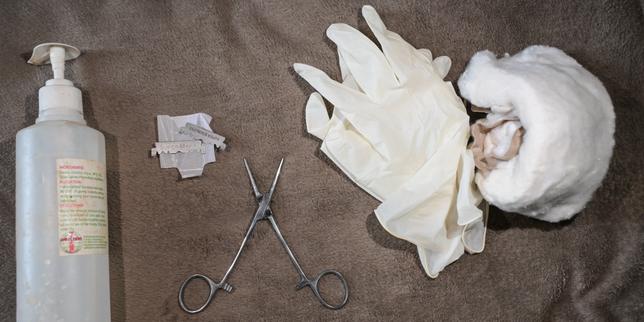
Let that sink in. Forty-eight hours of life. She didn't even get a real chance to grow into her name before a hidden ritual cut her life short in the Bakel department near the Mali border. According to reporting from outlets like TV5Monde and Africanews, the mother had traveled from Sanfara to stay with her brother-in-law so she could give birth safely at a local health facility. Once they returned home, the paternal grandmother offered to wash the newborn with another woman helping. Later that afternoon on November 12, the infant was subjected to excision, with reports indicating a blade was used while the parents only learned what had happened when the baby was handed back to them. Severe bleeding followed, and the child died two days after birth.
People searching for news about excision in Senegal after this tragedy aren't just looking for a quick recap of arrests. They want to know how this still happens twenty-seven years after Senegal banned the practice. They're asking why a grandmother would act without the parents' consent. And honestly, they want to know if the law actually protects newborns out in rural border districts.
In my view, tragedies like this expose a brutal truth that policy papers love to gloss over. Passing a ban on paper doesn't automatically rewrite family power dynamics inside a compound. When older relatives still hold authority over infant care and ritual obligations, a criminal statute in Dakar can feel miles away from a village house near the Falémé River.
How an Illegal Practice Stays Hidden Behind Closed Doors
Senegal outlawed female genital mutilation (FGM) in 1999 through an amendment to its Penal Code. On paper, the legal stance is crystal clear: cutting and mutilation are illegal, and perpetrators face prosecution. Arrests and court referrals followed the Sadatou case on November 17, 2026, showing that prosecutors can move when a death occurs.
Yet enforcement in remote areas is notoriously patchy. According to data compiled by UNICEF Senegal from the 2023 Senegal Demographic and Health Survey, about 20.1% of girls and women aged 15 to 49 have undergone FGM nationwide, and 12.9% of girls under 15 have experienced it. That national average hides massive regional divides. Prevalence reaches roughly 83% in Matam, around 80.9% in Sédhiou, 71.3% in Kédougou, and 68.4% in Kolda, while remaining tiny in parts of the country with different traditions.
Here is a detail many outsiders miss: in Senegal, traditional practitioners carry out almost all of these procedures rather than hospital staff. In the Sadatou case, the mother actually used a health post for delivery—a classic protective step for safe childbirth—only for harm to happen afterward in a domestic setting. Safe delivery at a clinic doesn't guarantee safety once a newborn crosses the threshold back into a household where elders feel pressured by custom or urgency.
Why do some relatives act so fast, sometimes within days or even hours of birth?
- Pressure from elders: Older family members often view themselves as guardians of lineage and moral reputation, treating delay as disrespect or risk.
- Secrecy from parents: Carrying out the act quietly—under the guise of washing or soothing a baby—bypasses parents who might object or fear legal trouble.
- Clandestine timing: When awareness campaigns and police scrutiny ramp up, cutters sometimes shift to younger infants or closed indoor spaces to avoid detection.
That last point is worth pausing over. Critics and child-protection workers have long warned that clamping down only after a crisis—without sustained local justice and community engagement—can push the practice further underground rather than ending it.
What Happens to a Newborn Body During Severe Bleeding
When people read that a two-day-old infant died after an excision, the medical reality is sobering. A newborn isn't a miniature adult. Their blood volume is tiny, their clotting systems are still maturing, and they lose heat and fluids fast.
Hemorrhage is one of the immediate acute risks of cutting delicate genital tissue, especially when performed outside a sterile clinical setting with non-medical tools. Even a seemingly small volume of blood loss can trigger hypovolemic shock in a neonate within hours. Add unsterile instruments, and acute infection or sepsis becomes another major danger if the baby survives the initial bleed.
In reporting around the Sadatou infant's death, accounts also mentioned infibulation or sewing/closing alongside cutting with a blade. Whether severe bleeding came straight from the cut vessels or complications tied to how the wound was handled, the outcome was fatal before medical care could save her.
A common misconception is that mild or "less extreme" forms of cutting are harmless if done quickly. Medically, that's false. Any cutting of healthy genital tissue carries risks of acute hemorrhage, severe pain, shock, and infection—and on a newborn, the margin for error is practically zero.
Why Laws and Awareness Campaigns Clash on the Ground
If Senegal has had an anti-FGM law since 1999 and decades of NGO and government outreach, why did progress stall or remain uneven?
Let's be fair and look at both sides of the debate on the ground. Many community leaders, health educators, and grassroots activists argue that criminalization alone can backfire if families fear arrest more than they fear harm. When communities feel targeted by outsiders, people close ranks. That's why programs like Tostan's community-led human rights declarations gained traction over the years—they focused on public dialogue and collective consensus rather than shaming individuals from the outside.
On the other hand, rights advocates and legal campaigners—including voices speaking out after this November tragedy—argue that weak prosecution sends a dangerous message. If a law exists on the books but rarely leads to firm accountability, people conclude the ban isn't real. You can see similar tensions across West Africa whenever an infant or child dies after cutting and courts or investigators struggle to turn outrage into clear accountability.
What actually works better in practice? Based on public health and child-protection experience across the region, real change usually requires three things working together:
- Consistent legal follow-through: Clear investigations, fair trials, and real consequences when illegal cutting causes injury or death, so the law isn't treated as decorative.
- Engaging men and grandmothers directly: Leaving out grandmothers or fathers is a huge mistake. Grandmothers often drive household decisions, while fathers and husbands have voice and responsibility inside extended families.
- Honest religious and cultural clarification: Addressing the widespread myth that excision is required by Islam or good character, backed by respected local scholars and elders who publicly state otherwise.
Notice how easy it is to sound good in a conference room and still miss what happens in a compound at five in the evening. Real prevention happens in everyday family conversations, long before a baby is born.
Practical Next Steps for Parents, Advocates, and Readers
Whether you're a parent in an affected region, a health worker, a donor, or a reader trying to make sense of the headlines, vague sympathy doesn't protect a single child. Here are concrete steps that actually matter right now.
- If you're a parent or expecting family: Talk openly with your partner—and with older relatives—before delivery about your boundaries for your baby's care and bathing after coming home from the clinic. Don't leave a newborn alone for extended periods if you have reason to worry about pressure from relatives.
- If you're a frontline health worker or midwife: Use postnatal visits as a natural moment to check on both mother and newborn, ask gently about home care practices, and make sure families know how to reach emergency care fast if bleeding or fever starts.
- If you support or fund prevention work: Look past flashy one-off workshops and back long-term local groups that work with grandmothers, youth, and local leaders in high-prevalence areas like Matam, Kédougou, Sédhiou, Kolda, and border communities.
- If you're sharing or discussing the story: Stick to verified facts, avoid sensationalizing the child's body, and keep the focus on legal accountability, maternal-child safety, and community-led prevention.
A two-day-old girl died in eastern Senegal because a dangerous tradition collided with secrecy and a gap between law and daily life. Grief is natural. Turning that grief into real protection for the next baby is the hard part—and it starts with how we act today.