Think military coups solve security crises? Think again. Yesterday morning, a heavily armed Al-Qaeda affiliate rolled straight up to the main international airport in Niamey, Niger's capital, and turned it into a warzone. When the smoke cleared, 11 soldiers and two civilians were dead. The government claimed a total victory, bragging that they killed 22 attackers and arrested 20 more. But let's be real. If terrorists can launch a massive suicide assault on your capital city's primary aviation hub, you aren't winning the war.
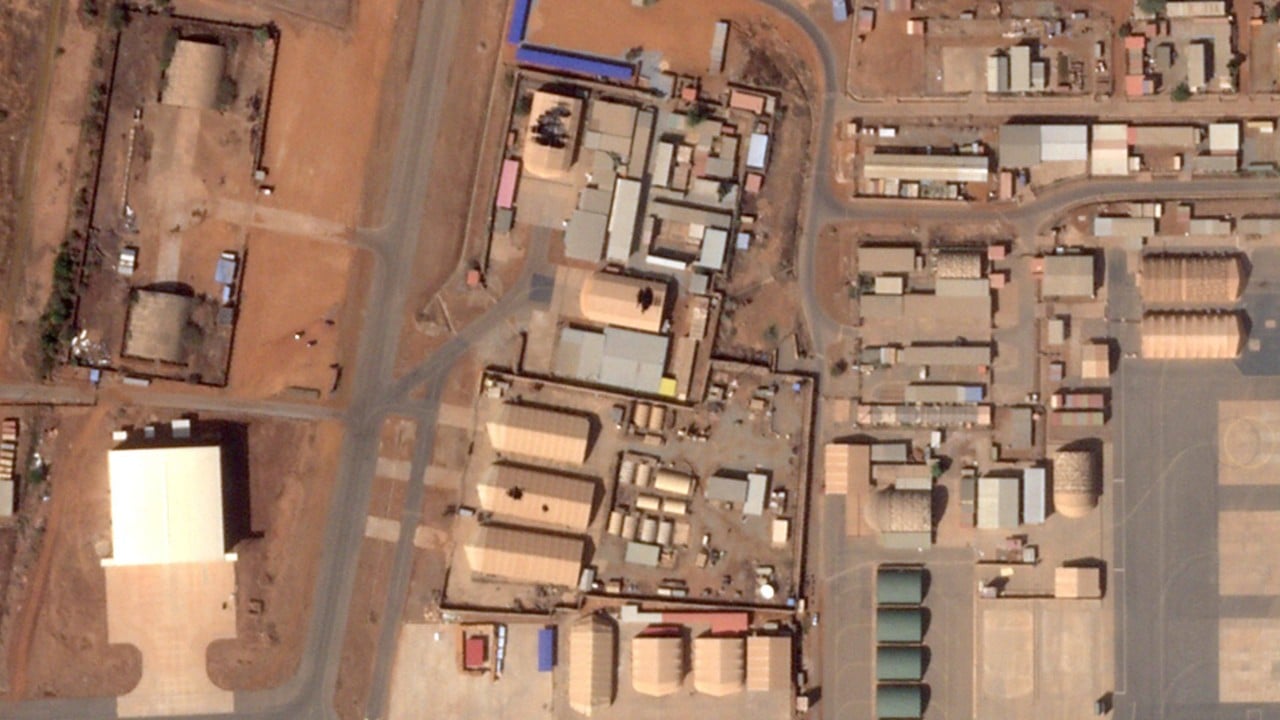
This isn't just another hit-and-run in some remote desert border village. Diori Hamani International Airport isn't just a place where civilians catch flights. It's a massive, heavily fortified strategic complex. It houses Niger's main air force base. It serves as the official headquarters for the Alliance of Sahel States (AES), the joint military pact between the juntas of Niger, Mali, and Burkina Faso. Striking this specific location sends a clear message. The militants are showing they can hit the junta exactly where it hurts most.
The Anatomy of the Niamey Airport Raid
Around 6 a.m., explosions and heavy gunfire shattered the early morning calm in Niamey. Assailants reportedly arrived at a security checkpoint near the airport entrance in two white vehicles, with some witnesses mentioning they used a taxi to blend in. They weren't looking to hijack a plane; they came to destroy infrastructure and kill troops.
Some attackers wore explosive vests, signaling a coordinated suicide mission. Gunfire rattled through neighboring districts for hours. Local motorbike-taxi drivers even started hunting down scattered militants with sticks and machetes to help the army.
The defense ministry claims the base security forces put up fierce resistance, contained the threat, and kept the runway open. Flight tracking data paint a different picture, showing multiple inbound commercial flights rerouting or delaying their arrivals during the peak of the fighting. By midday, things quieted down, but the political and security fallout was just getting started.
A Terrifying Pattern of Failing Security
If you think this was a freak accident, you're missing the bigger picture. This is the second time this exact airport complex has been breached this year. Back in January 2026, the regional Islamic State affiliate launched a massive assault on the very same site, destroying at least five military aircraft and crippling drone infrastructure.
After that disaster, the military junta promised they'd beefed up security. They assured everyone the capital was safe. Clearly, it wasn't enough.
What makes yesterday's raid even more alarming is that it happened simultaneously with coordinated insurgent strikes on the Banibangou and Inates military bases in the western Tillaberi region. One base was completely abandoned by the military after suffering heavy losses. The jihadists aren't just surviving under military rule; they're expanding their operational reach.
Why the New Alliance Strategy Isn't Working
When General Abdourahamane Tiani seized power in a 2023 coup, he promised to protect Niger better than the civilian government ever could. He kicked out French forces, forced the US military to abandon its multi-million dollar drone bases, and turned to Russia's Africa Corps for help. Niger, Mali, and Burkina Faso cut ties with Western allies and formed their own regional bloc.
They promised a new era of robust, unapologetic counter-terrorism.
Instead, the security situation across the Sahel has completely crumbled. Western intelligence and drone surveillance are gone. The Russian mercenaries haven't stopped the bleeding. By isolating themselves from global security partnerships, the juntas have created massive blind spots that Al-Qaeda and Islamic State groups are exploiting.
The symbolism of Diori Hamani International Airport as the hub for the Alliance of Sahel States makes it a permanent, high-value target. Insurgents don't need to hold the airport to win. They just need to prove that the junta cannot protect its own backyard.
What Happens Next for Travelers and Regional Security
If you have business or travel ties to West Africa, you need to accept that the security dynamics have fundamentally shifted. The capital cities are no longer safe havens.
If you are navigating this region, here are the immediate, practical realities you need to track:
- Expect severe, unpredictable commercial flight disruptions. Even if the government says the airport is open, airlines will cancel routes at the first sign of gunfire.
- Anticipate intense military checkpoints, aggressive vehicle searches, and sudden curfews throughout Niamey.
- Understand that the lines between different militant factions are blurring. This week it was the Al-Qaeda branch, Jama'at Nusrat al-Islam wal-Muslimin (JNIM). Months ago, it was ISIS. Both are successfully hitting high-value strategic targets.
The military government will likely blame foreign powers or neighboring countries for sponsoring the raid, just like they did in January. Don't fall for the political theater. The real issue is an internal security vacuum that the current regime simply cannot fill. Watch the troop movements in the coming days; if the junta pulls forces from rural areas to guard the capital, the countryside will become even more dangerous.